Used Golf Clubs: The Smart Buyer's Guide to Pre-Owned Gear
Discover how to find quality pre-owned golf clubs, inspect them like a pro, and build a complete set without compromising on performance.
START YOUR GUIDEWhy Consider Used Golf Clubs: Pre-owned clubs offer an excellent pathway to quality equipment for golfers at every level. Whether you are assembling your first set or upgrading a specific club, the second-hand market provides access to proven models from leading brands. The key is knowing what to look for, how to assess condition, and where to source reliable pre-owned gear.
Why Used Golf Clubs Make Sense for Many Golfers
The golf equipment market has never been more dynamic. Every season brings new releases with incremental technological improvements, which means the previous generation of clubs remains highly capable and widely available on the secondary market. For many golfers, purchasing used golf clubs is a practical and intelligent strategy that delivers real performance benefits without the commitment of buying new.
Beginners often find that a well-chosen set of pre-owned clubs helps them learn the fundamentals without overspending on gear they may outgrow. Intermediate players can experiment with different club types and brands to identify what suits their swing. Even experienced golfers frequently look to the used market for specialty clubs, backup sets, or classic models they have always wanted to try.
The modern pre-owned ecosystem includes dedicated retailers, online marketplaces, trade-in programs, and peer-to-peer platforms. Each channel has its own characteristics, and understanding them is the first step toward a successful purchase. If you are just starting your golf journey, our golf for beginners guide provides a solid foundation before you begin shopping.
How to Inspect Used Golf Clubs Before Buying
Clubface Condition
The face is where performance is most affected by wear. Examine the groove depth and pattern carefully. Deep, sharp grooves are essential for spin and control, especially in wedges and short irons. On drivers and fairway woods, look for excessive wear marks, sky marks, or dents that could affect ball flight. Light cosmetic wear is normal, but deep gouges on the face should raise concern.
Shaft and Grip Assessment
Inspect the shaft for scratches, dents, or signs of rust, particularly on steel shafts. Graphite shafts should be checked for fraying, cracks, or delamination near the hosel. Grips are a wear item; worn or slick grips will need replacing, which is a straightforward and worthwhile investment. Our guide to used graphite iron shafts explores shaft options in more depth.
Hosel and Loft/Lie Check
Check the hosel area for cracks or signs of bending. If possible, have the loft and lie angles verified, as used clubs may have been adjusted. This matters most for irons and wedges, where consistent gapping supports distance control. Our wedge bounce guide explains how wedge geometry affects turf interaction and why it is worth verifying.
Head and Crown Integrity
On metalwoods, examine the crown and sole for cracks, especially along weld seams. A damaged head can compromise structural integrity and ball speed. Also check that adjustable weights and hosels move freely if the model includes them.
Set Composition
If buying a set, confirm the clubs form a logical progression in loft and length. Missing gap wedges or inconsistent iron models can make gapping difficult. Our used complete golf sets page outlines what a well-composed set looks like.
Authenticity Verification
Pre-owned markets can include counterfeit products. Check serial numbers with the manufacturer, compare graphics and finishes to official references, and buy from reputable sellers with clear return policies. Authentic used clubs hold their performance and resale value far better than imitations.
Understanding Pre-Owned Condition Tiers
Reputable pre-owned sellers typically classify clubs by cosmetic and functional condition. The terminology varies, but the tiers generally follow a consistent pattern. Understanding these descriptors helps you align expectations with the actual product.
| Tier | Typical Condition | Best For |
|---|---|---|
| Like New / Mint | Minimal signs of play; face and finish nearly pristine | Golfers wanting near-new performance |
| Excellent | Light cosmetic wear; grooves and shaft in strong condition | Players prioritizing performance |
| Good | Visible cosmetic wear; functional grooves intact | Regular play and practice |
| Fair / Value | Notable wear; may need regripping or cosmetic touch-ups | Learning, backup sets, budget-conscious buyers |
This tiered framework mirrors how the broader market positions equipment relative to one another. Entry-level models from previous seasons often overlap in performance with mid-range current models, making condition tiers a useful way to compare value across generations. For those considering a fresh set, our best clubs for intermediate players guide puts these tiers into practical context.
Used Golf Clubs by Category: What to Look For
Drivers and Fairway Woods
Metalwoods are among the most popular pre-owned purchases. Focus on face wear, crown integrity, and shaft condition. Previous-generation flagship drivers often deliver near-current performance. Consider used left-handed golf drivers or our guide to the most forgiving driver for directional stability.
Irons and Iron Sets
Iron sets are frequently sold complete or in partial configurations. Check groove wear across the set, verify loft gapping, and inspect shaft flex consistency. Second-hand iron sets are a practical route for players seeking game-improvement models. Browse used men's golf clubs or left-handed club sets.
Wedges
Wedges wear faster than any other club because of their groove-dependent function. Pre-owned wedges are worth considering when the grooves remain sharp. Our best wedges for high handicappers overview helps narrow down forgiving options in the pre-owned market.
Putters
Putters are low-wear items, making the used market especially favorable. Inspect the face for dings that could affect roll, confirm the grip condition, and check lie angle. Left-handed golfers can explore used left-hand putters for dedicated options.
Complete Sets and Starter Options
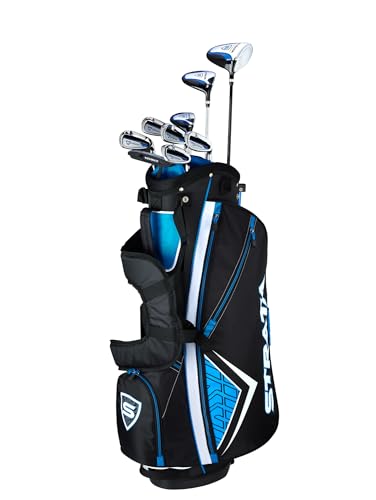
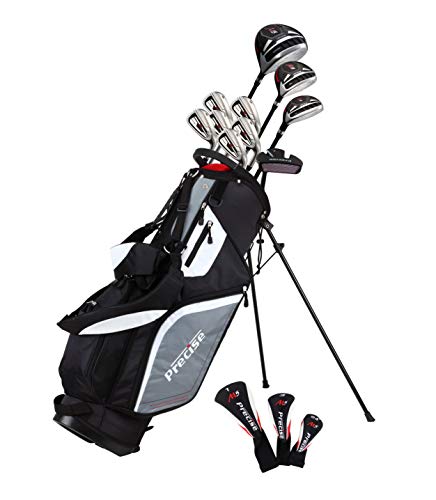
Complete sets are ideal for beginners and casual players. Look for consistent model lines and confirm that headcovers and bag are included. See our full sets for sale and second-hand ladies' golf clubs resources.
Specialty and Niche Clubs
Niche clubs—broomstick putters, hybrids, and training-oriented designs—appear regularly on the secondary market. If you are curious about alternative putting styles, used broomstick putters offer a low-risk way to experiment.
Where to Find Reliable Used Golf Clubs
Several channels serve the pre-owned golf market, each with distinct advantages. Dedicated online retailers that specialize in pre-owned golf equipment provide grading standards, return policies, and authentication processes. These are excellent choices for buyers who value accountability and clear condition descriptions.
Trade-in programs at major retailers allow you to offset the cost of new purchases or acquire certified pre-owned clubs directly. Peer-to-peer marketplaces offer the widest selection and the possibility of finding rare or discontinued models, but they require more careful inspection and often lack formal warranties.
Local golf shops, pro shops, and club sales are ideal when you want to physically inspect clubs before committing. For golf carts and larger equipment, specialized searches such as used golf carts near me and carts for sale by owner help narrow down trustworthy local options. If your interest extends beyond clubs, our used golf bags by owner guide covers bags in similar detail.
For golfers considering a complete equipment reset, pairing pre-owned clubs with quality accessories is a natural next step. Explore waterproof golf shoes and the best golf towel to round out your setup.
Getting the Most from Your Pre-Owned Investment
Buying used golf clubs is fundamentally about allocating resources efficiently. A thoughtful approach focuses on condition, fit, and long-term usability rather than short-term novelty. Several principles help buyers make sound decisions within this framework.
- Prioritize fit over finish. A club that matches your swing speed, tempo, and physical profile will outperform a cosmetically superior club that does not fit. Loft, lie angle, and shaft flex matter more than minor cosmetic wear.
- Focus on high-impact clubs. Drivers, wedges, and putters influence scoring most frequently. Allocating resources toward these clubs often yields the greatest on-course return.
- Consider regripping. Fresh grips improve feel, consistency, and confidence. Budgeting for a regrip is a smart way to elevate a good-condition pre-owned club.
- Build gradually. Many golfers assemble an excellent set over time, upgrading one club at a time based on measured needs rather than purchasing everything at once.
- Verify authenticity. The secondary market contains counterfeits. Confirm serial numbers and buy from sellers with transparent grading and return policies.
For those considering a driver upgrade, our guide to the most forgiving driver and the best golf ball for 100 mph swing speed help align clubs and balls for consistent results. If you are interested in monitoring your progress, a swing analyzer or launch monitor provides valuable feedback on how your pre-owned clubs perform.
Training and Practice with Pre-Owned Clubs
Used golf clubs are excellent tools for practice and skill development. Since practice clubs take the most wear, using pre-owned equipment for range sessions and drills protects the longevity of your primary set. Pairing used clubs with training aids can accelerate improvement significantly.
Consider complementing your pre-owned set with proven training tools. Swing tempo trainers help groove rhythm, while training aids cover a broad range of skill-specific drills. For putting, the true pendulum motion golf putting trainer supports a repeatable stroke. Golfers working on a specific motion may find a used swing plane trainer or weighted clubs useful for reinforcing mechanics.
Fundamentals remain the foundation of all improvement. Our swing fundamentals guide and wedge swing tips provide clear instruction that pairs well with practice-focused equipment. Mental skills also benefit from structured practice; visualization for golf and tournament preparation articles offer frameworks for on-course performance.
Frequently Asked Questions About Used Golf Clubs
Are used golf clubs a good choice for beginners?
Yes. Beginners benefit from pre-owned clubs because they can learn fundamentals without committing heavily to equipment they may outgrow. A well-composed used set allows new golfers to develop swing mechanics and course awareness. Our golf for beginners guide is a helpful companion.
How do I know if a used club's grooves are still effective?
Inspect the groove edges for sharpness and depth. Grooves that appear rounded or filled with debris reduce spin. A golf shop can measure groove conformance if precision matters. Wedges generally wear fastest, so scrutinize them most.
Should I replace grips on pre-owned clubs?
Often, yes. Grips are a wear item and degrade faster than clubheads. Fresh grips improve feel and consistency. Regripping is straightforward and can be done at most golf shops, making it one of the most impactful upgrades for a pre-owned club.
Can I buy used clubs for a specific handedness or profile?
Absolutely. Dedicated searches such as left-handed drivers, left-hand putters, and women's golf clubs help match equipment to individual profiles.
What is the safest way to verify used club authenticity?
Check serial numbers with the manufacturer, compare product details to official references, and purchase from sellers with clear return policies and grading standards. Authentic clubs retain performance and resale value much better than counterfeits.
Do used clubs need fitting?
Fitting improves performance regardless of whether a club is new or pre-owned. Loft, lie, and shaft flex can often be adjusted on used clubs. A basic fitting session helps ensure your pre-owned set matches your swing characteristics.
Final Thoughts on Buying Used Golf Clubs
Used golf clubs represent a practical, performance-oriented path for golfers who want quality equipment without unnecessary commitment. By understanding condition tiers, inspecting clubs thoroughly, verifying authenticity, and aligning purchases with your swing profile, you can build a set that supports steady improvement. The pre-owned market rewards informed buyers, and the resources throughout GolfProAdvice are designed to help you make confident, well-researched decisions.