Weighted Golf Clubs: Improve Swing Speed, Strength & Tempo
Train like the pros and unlock hidden power in your swing. Weighted golf clubs are a proven tool for building muscle memory, increasing clubhead speed, and achieving a more consistent tempo.
Explore Top Weighted TrainersWhat Are Weighted Golf Clubs?
Weighted golf clubs are training tools designed to be significantly heavier than standard clubs. They are used primarily for practice, warm‑ups, and strength conditioning. By swinging a heavier club, you overload the muscles used in your golf swing, forcing them to adapt and become stronger and more coordinated. When you return to your regular clubs, they feel lighter and easier to control, often resulting in added distance and improved accuracy.
These training aids come in various forms: short weighted clubs that mimic irons or drivers, flexible shaft trainers that emphasize tempo and rhythm, and even weighted donuts that attach to your existing clubs. Incorporating a weighted club into your practice routine can help ingrain proper swing mechanics while simultaneously building golf‑specific strength.
Benefits of Training with Weighted Clubs
Adding a weighted club to your training regimen offers multiple performance advantages:
- Increased Swing Speed: The overload principle helps you generate more clubhead speed. Over time, you’ll see measurable distance gains off the tee and with your irons.
- Improved Tempo and Rhythm: A heavier club naturally slows down your transition, promoting a smooth, controlled tempo. Many golfers find that after training, their natural swing rhythm becomes more repeatable.
- Enhanced Muscle Memory: Repeating the correct motion with added resistance engrains proper sequencing, helping you maintain good form even when fatigue sets in.
- Greater Core and Body Strength: Swinging a weighted club engages your entire body, especially the core, hips, and shoulders. This is a functional way to complement your off‑course strength workouts.
- Injury Prevention: By strengthening the muscles and connective tissues used in the swing, weighted training can help protect against common golf injuries, especially when combined with proper dynamic warm‑up exercises.
Types of Weighted Clubs and Swing Trainers
Not all weighted trainers are created equal. Understanding the different options will help you choose the right tool for your goals.
Weighted Drivers & Irons: These are full‑length clubs (often with a special grip and heavy head) that let you simulate real swings. They’re excellent for practicing your full motion and building overall swing strength. Many models are balanced to promote the proper swing plane.
Flexible Shaft Trainers: These feature a weighted head on a very flexible shaft (like the popular Orange Whip style). They force you to swing in sequence and with tempo because any jerky movement will throw the club off plane. They’re perfect for grooving an on‑plane swing and feeling the lag.
Weighted Donuts and Sleeves: These attach to your own clubs, adding temporary weight for warm‑up or practice swings. While convenient, they can alter the club’s swing weight dramatically, so it’s best to use them sparingly and not for full‑speed swings.
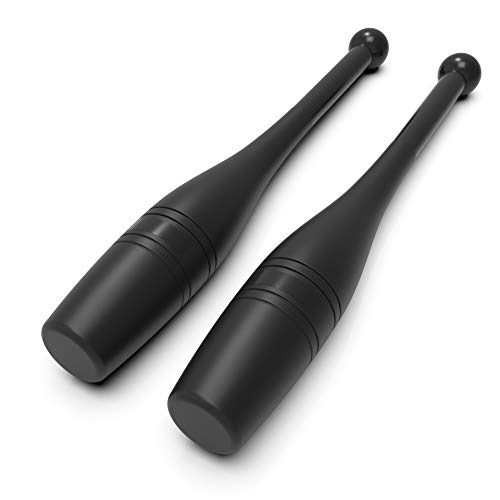
Short Weighted Sticks: Compact trainers that you can swing indoors. They’re easy to pack and allow for focused training on hand speed and release, often used with swing analyzers to track progress.
How to Use Weighted Clubs Safely and Effectively
Maximize the benefits and avoid strain by following these guidelines:
- Always Warm Up First: Never pick up a weighted club cold. Do a few minutes of light stretching and take some easy practice swings without a club to get blood flowing.
- Start with Slow, Controlled Swings: Focus on balance and posture. Gradually increase speed over several sessions, but never swing at 100% effort with a heavy trainer.
- Limit Repetitions: 10–15 quality swings per session are sufficient. Overdoing it can lead to fatigue, poor mechanics, or even injury.
- Alternate with Your Regular Clubs: After a set of weighted swings, hit a few shots with your normal driver or iron. This contrast helps your body learn to generate speed with the lighter club.
- Incorporate into a Broader Training Plan: Weighted clubs work best when combined with other training aids like alignment sticks, impact bags, and regular fitness routines that target core strength and hip mobility.
Choosing the Right Weighted Club for Your Game
Prices for weighted golf clubs generally range from $30 to $200+, depending on the type and brand. Here’s what to consider:
- Weight: Most trainers weigh between 2 and 5 pounds. Beginners or seniors may prefer the lighter end, while stronger players might opt for a heavier model. Avoid anything that forces you to break down your posture.
- Length: A full‑length trainer allows you to practice your actual swing arc. Shorter sticks are fine for indoor work but won’t replicate the full motion as accurately.
- Flexibility: If your main goal is tempo and sequence, a flexible shaft trainer is usually the best investment. For pure strength building, a rigid weighted club is more suitable.
- Grip: Some trainers come with molded training grips that help you place your hands correctly every time—a great feature if you’re still working on grip fundamentals.
Whichever model you choose, consistent, mindful practice will deliver the best results. Browse our recommended selections below to find a trainer that fits your budget and training needs.
Frequently Asked Questions About Weighted Golf Clubs
Do weighted clubs actually increase swing speed?
Yes, numerous studies and player experiences show that overspeed and overload training with weighted clubs can lead to significant gains in clubhead speed—often 3–7 mph over several weeks of consistent use.
How heavy should my weighted club be?
For most amateur golfers, a trainer weighing 2.5–3.5 pounds is ideal. Heavier models (up to 5 pounds) are typically reserved for stronger, more experienced players. Start lighter and gradually progress if desired.
Can weighted clubs hurt my swing?
If used incorrectly—such as swinging too hard or for too many repetitions—they can ingrain bad habits or cause strain. Always prioritize technique over effort, and listen to your body.
Are weighted drivers worth it?
A weighted driver trainer can be a valuable tool if you struggle with driver consistency. The extra weight helps smooth out your tempo and encourages a wider, more powerful swing arc.