Ultimate Golf Tee Guide: Choose the Right Tee for Every Club
Understand the differences between wooden, plastic, and performance tees, learn proper tee height for drivers, irons, and hybrids, and discover how the right tee can improve your distance and consistency.
FIND YOUR PERFECT DRIVER TEEGolfProAdvice Insight: A simple golf tee might seem insignificant, but it directly affects launch angle, spin, and distance. Choosing the right tee material and height for each club can shave strokes off your score.
Types of Golf Tees Explained
Wooden Tees
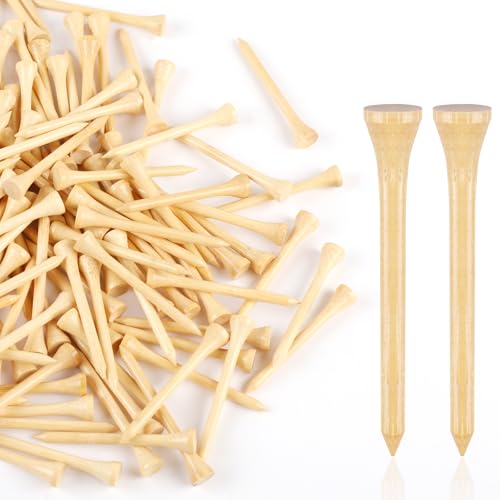
The classic choice. Wooden tees are biodegradable, inexpensive, and available in various lengths. They break easily, which can be a downside, but many golfers prefer the traditional feel and low friction they offer. Perfect for beginners learning the game.
Plastic Tees
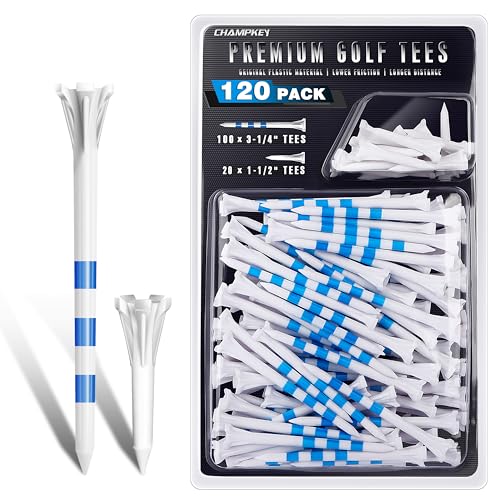
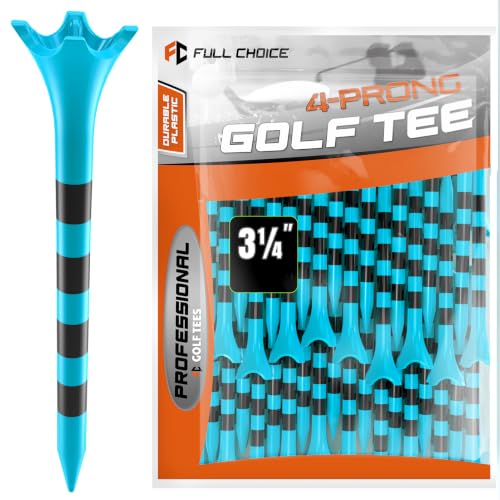
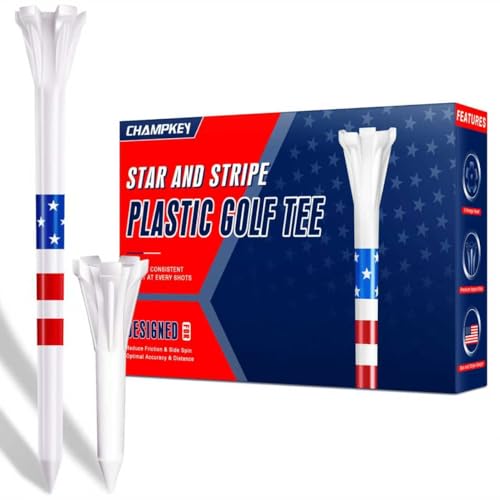
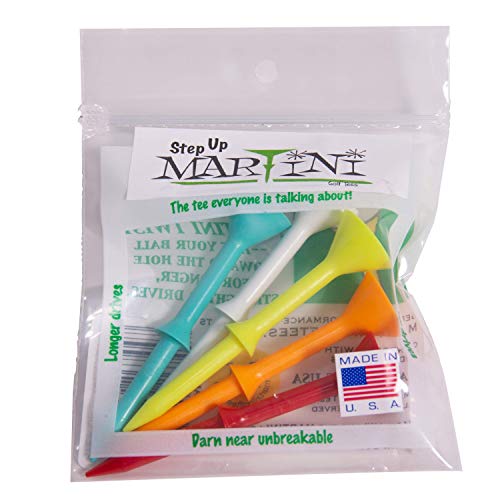
Durable and consistent, plastic tees last much longer than wood. Their smooth surface reduces friction, potentially adding a few yards. Many driver swing techniques benefit from the repeatable height plastic tees provide.
Bamboo Tees
An eco-friendly alternative, bamboo tees combine the strength of plastic with the natural feel of wood. They break less often than standard wood and are fully sustainable, making them a favorite for environmentally conscious players.
Performance Tees
Zero‑friction, brush, and step‑down designs claim to reduce spin and boost distance off the tee. While the gains are modest (2–5 yards), they offer a consistent setup every time, helping dial in your swing fundamentals.
How to Choose the Correct Tee Height
Getting the tee height right is crucial for optimizing launch conditions and solid contact. Below is a quick reference for different clubs.
| Club | Recommended Tee Height | Why It Matters |
|---|---|---|
| Driver | 1.5 inches above the crown; half the ball above the top edge | Promotes an upward angle of attack for high launch and low spin |
| Fairway Woods | About half an inch above the turf | Shallow enough to sweep the ball cleanly off the turf |
| Hybrids | Just a fraction above the grass | Mimics a standard iron strike with slightly more forgiveness |
| Irons | Barely above the ground (tip of tee level with soil) | Simulates a fairway lie; used mostly on par‑3s |
Consistency is key. A tee height that varies from shot to shot leads to inconsistent contact and dispersion. Practice with a marked tee or a grooved swing to make height adjustments second nature.
How Tee Material Affects Performance
Every material interacts with the ball and club differently. Wooden tees create very little interference but break often. Plastic tees survive dozens of drives, and their smooth surface can reduce spin by up to 200 rpm – a small but measurable gain that complements tour‑performance balls. Bamboo sits in the middle: sturdy like plastic, with a natural grain that mimics wood. If you are looking to maximize speed, consider a performance tee; for everyday practice, bulk wooden tees remain the economical choice.
Golf Tee Rules You Should Know
- A tee must be placed in the teeing ground (within two club lengths behind the markers).
- Maximum tee length allowed is 4 inches (101.6 mm).
- The tee must not be designed to influence the movement of the ball or assist in making a stroke.
- You may re‑tee after a stroke that does not count (e.g., whiffed ball on the tee) as long as it was in the teeing area.
For a deeper dive into the rules of golf, explore our comprehensive rules guide.
Tee Tips for Beginner Golfers
If you’re new to golf, the sheer variety of tees can be overwhelming. Start with a bag of standard 2.75‑inch wooden tees – they’re forgiving and dirt‑cheap. As you develop a consistent first‑round routine, experiment with plastic or performance tees. Remember that a tee is not just a prop; it’s a tool that directly influences your first shot on every hole. Mastering tee height early builds the foundation for a reliable long‑term game improvement.
Matching Tees to Your Gear
The tee you choose should work in harmony with the rest of your setup. A low‑spin tour ball already reduces side spin; adding a zero‑friction tee might fine‑tune launch. A larger 460cc driver head demands a taller tee to optimize the sweet spot location. Even your hybrid club performs better when teed at the right height. Treat the tee as an extension of your equipment, not an afterthought.