Golf Putting Tips: Proven Techniques to Improve Your Putting
Transform your short game with professional putting advice – from stroke fundamentals to the best training aids.
1. Master Your Putting Fundamentals
The foundation of every great putter starts with a repeatable setup. Focus on these core elements before you begin rolling the ball.
- Grip: A light, neutral grip promotes feel and reduces tension. Experiment with traditional, reverse overlap, or cross‑handed grips to find what suits your stroke. Upgrading to a modern putter grip can instantly improve consistency.
- Stance & Posture: Stand with your feet shoulder‑width apart, eyes directly over the ball (or slightly inside the target line). Bend from your hips, keeping your back straight.
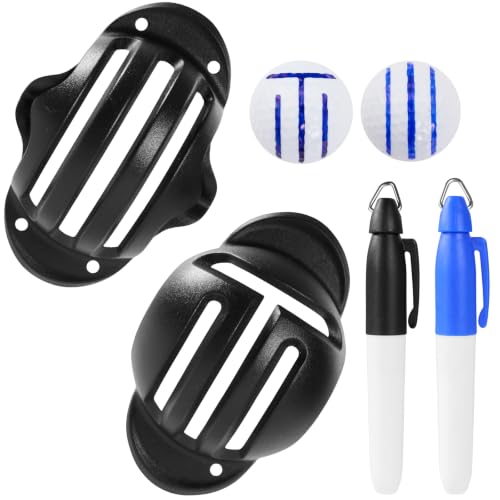
- Alignment: Use the line on your ball or a putting alignment aid to ensure your face is square to the target. Many missed putts start with poor aim.
- Ball Position: Play the ball slightly forward of center in your stance – just ahead of the logo on your shirt. This encourages a slight upward strike and a true roll.
2. Build a Consistent Putting Stroke
There are two predominant stroke styles, and choosing the right one for your natural motion can dramatically improve your accuracy.
Straight Back, Straight Through
Best suited for face‑balanced mallet putters. The putter moves directly back and through on the target line. This stroke minimizes face rotation and is easier to repeat under pressure.
Arc (Gate) Stroke
Matches toe‑balanced blade putters. The putter head follows a gentle inside‑square‑inside path. Players with a natural arc often find this more rhythmic.
No single stroke is “correct” – the key is to find the motion that stays square through impact. Using putting gates or a putting mirror during practice helps you monitor face angle and path.
3. Read Greens and Control Your Speed
Distance control is often more important than line. A putt rolled at the correct speed has a much better chance of finding the cup.
- Read the slope from behind the ball and from the low side. Look for the highest point around the hole – water drains away from it, and the ball will follow gravity.
- Decide on a “starting line” and commit. Visualize the ball rolling along that line, and then focus entirely on pace.
- Develop a consistent rhythm. Count “one‑two” in your head – same tempo for every length stroke. Vary the stroke length, not the speed.
- Practice lag putting. From 30–40 feet, the goal is to leave the ball within a 3‑foot circle. This drastically reduces three‑putts.
For a deeper dive into slope and grain, explore our guide on reading greens and distance control techniques.
4. Fix These Common Putting Mistakes
Even low‑handicap golfers fall into these traps. Identify and correct them to see immediate improvement.
- Peeking too early: Keep your head down until you hear the ball drop. Lifting your head pulls the putter off line.
- Deceleration: Many amateurs slow the putter through impact. Accelerate smoothly – the stroke should be longer on the follow‑through.
- Gripping too tightly: Tension kills feel. Hold the putter like a tube of toothpaste – firm enough to control, gentle enough not to squeeze out paste.
- Inconsistent setup: Use a putting arc or alignment stick on the ground to replicate your address position every time.
5. Drills and Training Aids That Work
The best players practice with purpose. Incorporate these drills and tools into your routine to build confidence on the greens.
- Gate Drill: Place two tees just wider than your putter head, 6 inches in front of the ball. Stroke through the gate without touching it. Reinforces a square face at impact. Putting gates make this drill even more precise.
- Mirror Work: A putting mirror shows eye position, shoulder alignment, and face angle instantly. Spend five minutes before each round.
- Distance Ladder: Set balls at 10, 20, 30, and 40 feet. Roll each one to a target circle, not a hole. This ingrains feel for speed.
- Indoor Practice: A high‑quality putting mat with alignment markings lets you groove your stroke at home, rain or shine.
6. Find the Right Putter for Your Stroke
The putter you use should match your stroke type and physical build. Off‑the‑rack options work for some, but a professional putter fitting can unlock hidden consistency.
Blade Putters
Classic shape with heel‑toe weighting. Ideal for players with an arcing stroke. Prices typically range from $150–$450.
Mallet Putters
High MOI (forgiveness) and alignment aids. Best for a straight‑back, straight‑through stroke. Expect to invest $180–$500.
Counterbalanced Putters
Extra weight in the grip or shaft stabilises the stroke. Great for players who struggle with tempo. Price range $200–$550.
Combine your chosen head style with a putter grip that fits your hand size – larger grips can quiet wrist action, while slimmer grips offer more feel.
Start Sinking More Putts Today
Improvement begins with understanding your own stroke and practicing the right drills. Whether you upgrade your equipment with a properly fitted blade or mallet putter, or simply commit to daily mirror work, the key is deliberate repetition. Browse our recommended putting training aids and equipment below to take your short game to the next level.