Elbow & Wrist Care for Golfers: Prevent Injury, Relieve Pain, Play Better
Safeguard your most critical joints from the repetitive stress of golf. Learn effective prevention strategies, targeted exercises, and the best supportive gear to keep your elbows and wrists healthy and your swing pain-free.
EXPLORE PREVENTION TIPSGolfProAdvice Insight: Golf places tremendous repetitive strain on the elbows and wrists. From the powerful impact of the driver to the delicate touch of a chip, these small joints absorb thousands of shocks per round. This guide provides everything you need to understand, prevent, and manage golf-related elbow and wrist pain, ensuring longevity in the sport.
Understanding Golf Elbow & Wrist Injuries
Golfers of all levels commonly face overuse injuries in the upper extremities. The two most frequent elbow conditions are medial epicondylitis (Golfer's Elbow) and lateral epicondylitis (Tennis Elbow), both involving inflammation of the tendons that attach to the bony bumps on the inside and outside of the elbow. Wrist tendonitis and de Quervain's tenosynovitis are also prevalent, causing pain on the thumb side of the wrist.
These injuries often stem from repetitive gripping, poor swing mechanics, and muscle imbalances. A comprehensive golf fitness program that incorporates golf-specific strength training can address the root causes. Limited shoulder mobility frequently forces the elbows and wrists to overcompensate, increasing strain. Additionally, ignoring early warning signs can lead to chronic issues that require extended injury recovery periods.
Prevention Strategies for Lasting Joint Health
Preventing elbow and wrist injuries starts before you even step onto the first tee. A proactive approach that combines proper warm-up, strength training, and equipment choices is your best defense.
1. Warm-Up and Stretching
Begin every round or practice session with a dynamic pre-round warmup to increase blood flow and synovial fluid in the joints. Follow this with a dedicated golf-specific stretching routine that targets the forearms, wrists, and shoulders. Simple wrist circles and gentle forearm stretches can dramatically reduce injury risk.
2. Grip Pressure and Equipment
Over-gripping the club is a primary contributor to elbow and wrist pain. Using training grips can help you master a relaxed yet secure hold. Pair this with high-quality golf gloves that provide excellent feel without requiring excessive squeeze. Many golfers also benefit from wearing compression arm sleeves, which support circulation and provide mild joint proprioception.
3. Strengthen the Supporting Muscles
Weak forearm and core muscles transfer extra load to the elbows and wrists. A targeted resistance training routine that includes wrist curls, reverse wrist curls, and grip-strengthening exercises builds resilience. Don't neglect your core training—a stable trunk reduces the arms' burden during the swing.
4. Swing Mechanics and Technique
Faulty swing mechanics, such as an overly steep downswing or casting, place immense stress on the lead wrist and elbow. Refining your swing fundamentals with a qualified instructor can correct these patterns. Pay special attention to your driver swing, as the high-speed impact is the most jarring event in golf.
Effective Exercises & Stretches for Elbows and Wrists
Incorporate the following exercises into your weekly routine to build durability and alleviate tightness. For optimal results, perform them as part of your golf flexibility exercises regimen.
- Wrist Extension Stretch: Extend one arm straight ahead, palm up. Use the opposite hand to gently pull the fingers down toward the floor. Hold for 20–30 seconds and repeat 2–3 times per side. This targets the wrist flexors and is excellent after a round.
- Wrist Flexion Stretch: Extend the arm palm down and gently pull the fingers back toward the body. Hold for 20–30 seconds. This stretch opens the wrist extensors and helps relieve tension from gripping.
- Forearm Pronation/Supination with Light Weight: Holding a light dumbbell (2–5 lbs) or a resistance band, rest your forearm on a table or thigh. Slowly rotate the palm down and up through full range of motion. Perform 12–15 reps for 2–3 sets.
- Towel Wringing: Roll a hand towel, grip it with both hands, and twist as if wringing out water. This dynamic movement strengthens the forearms and improves grip endurance.
- Eccentric Wrist Curls: Using a light weight, perform slow wrist curls with an emphasis on the lowering phase (3–4 seconds). Eccentric loading is particularly effective for tendon rehabilitation.
Supportive Gear: Braces, Straps & Compression
When prevention isn't enough, or you're managing a nagging injury, the right supportive gear can make a significant difference. Elbow braces and wrist straps apply targeted pressure to offload the injured tendon, allowing it to heal while you continue to play.
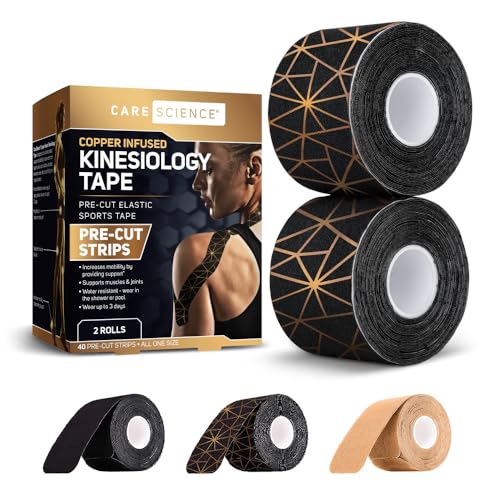
Look for adjustable elbow straps with a pressure pad that sits just below the painful area. For wrist issues, a simple wristband can provide light compression and warmth, while more structured braces offer immobilization for severe tendonitis. Many golfers also find that wearing a brace during sleep helps reduce morning stiffness. Explore the curated product recommendations below for top-rated options that suit your needs.
Recovery & When to Seek Professional Help
If you experience sharp or persistent pain, stop playing immediately and apply the RICE protocol (Rest, Ice, Compression, Elevation). Using a supportive brace can aid the healing process. A well-planned injury recovery plan that combines relative rest, gentle stretching, and a gradual return to full swings is essential.
Seek medical advice if pain lasts more than two weeks, is accompanied by swelling or numbness, or significantly limits your daily activities. A sports medicine professional can provide a precise diagnosis and may recommend physical therapy, cortisone injections, or other interventions. Early treatment prevents a minor strain from becoming a season-ending injury.
Play Pain-Free for Years to Come: Your elbows and wrists are the final links in the kinetic chain of the golf swing. By prioritizing prevention, strengthening supporting muscles, and using the right gear, you can protect these delicate joints and enjoy the game without discomfort. Browse the top-rated elbow and wrist care products below to start building your injury-prevention toolkit today.