GPS Rangefinders: Accurate Yardage for Smarter Golf
Discover how GPS golf rangefinders provide precise distances to greens, hazards, and layups to improve your course management and lower your scores.
View Recommended GPS RangefindersDid You Know? Most GPS rangefinders are legal for tournament play as long as the slope or gradient feature is disabled. Always check local rules before competing.
What is a GPS Rangefinder?
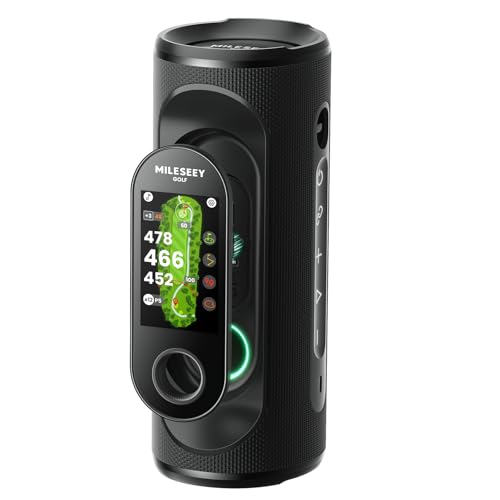
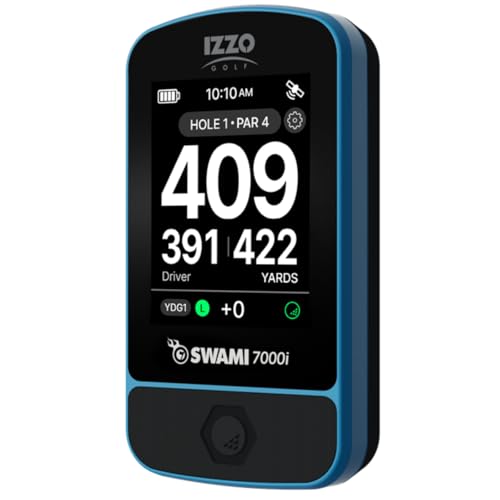
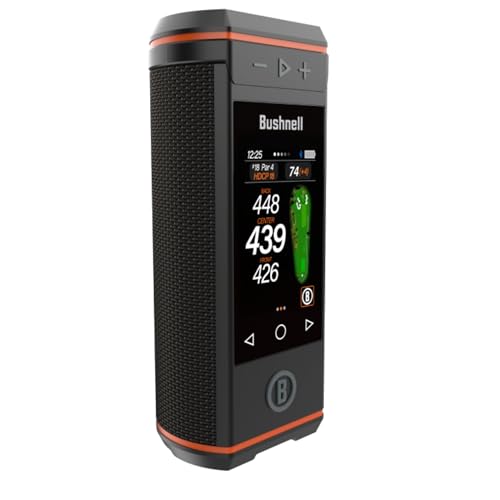
A GPS rangefinder is a portable device that uses satellite signals to pinpoint your exact location on the golf course and instantly display distances to the front, center, and back of the green. Unlike laser rangefinders, which require a direct line of sight, GPS units provide quick, at-a-glance yardages even when the flag is hidden behind a hill or bunker. This technology falls under the broader category of golf technology that helps players make smarter club choices.
Why Use a GPS Rangefinder?
- Instant Accuracy: No need to aim or steady your hand. A quick glance at the screen gives you the yardage you need, speeding up play.
- Hazard & Layup Data: Most devices show distances to water, bunkers, and ideal landing areas, aiding in course navigation and strategy tips.
- Preloaded Courses: GPS rangefinders come with thousands of courses worldwide, often with free updates, so you can walk onto any course and immediately know the distances.
- Compact & Convenient: Many units clip to your belt, attach to a bag, or mount on a push cart handle, keeping them out of the way until needed.
Essential Features in a Golf GPS Device
When shopping for a GPS rangefinder, focus on these specifications to match your playing style:
- Screen Size & Readability: A clear, high-contrast display is critical in bright sunlight. Touchscreen models offer advanced pin positioning and shot planning.
- Battery Life: Look for a device that can last at least two full rounds on a single charge. Rechargeable lithium‑ion batteries are common.
- Course Database & Updates: Ensure the manufacturer regularly updates course maps. Some brands include lifetime updates, while others may require a subscription after the first year.
- Slope & Elevation: Advanced models calculate “plays‑like” distances adjusted for elevation changes. This feature can be turned off for tournament play.
- Bluetooth & App Connectivity: Many devices sync with golf course apps to provide live scoring, shot tracking, and even club recommendations via club sensors.
- Weather & Durability: A water‑resistant or waterproof rating (IPX4 or higher) ensures reliability in rain or morning dew.
GPS vs. Laser vs. Hybrid Rangefinders
While GPS devices offer speed and convenience, laser rangefinders provide pinpoint distance to the flagstick itself. Many golfers find that a hybrid rangefinder that combines GPS and laser is the ultimate tool, giving you the best of both worlds. For a detailed breakdown, visit our rangefinder comparison guide. If you prefer a wrist‑mounted option, golf GPS watches deliver similar data in an even more compact form. Those on a tighter budget should read our budget rangefinders recommendations.
Popular GPS Rangefinder Brands & Price Ranges
The market offers a wide selection from industry leaders. Handheld GPS units typically range from $150–$500, depending on screen quality and features. Here are a few notable brands:
- Garmin: Known for robust handheld GPS devices and the Approach series, which feature vivid color touchscreens and preloaded courses.
- Bushnell: Offers the Phantom series, a compact magnetic unit that attaches easily to the cart frame.
- SkyCaddie: Specializes in high‑definition course maps with detailed fairway and green shapes, often favored by serious amateurs.
- Shot Scope: Combines GPS with automatic shot tracking to provide performance analytics without the need for phone apps.
Choosing the Best GPS Rangefinder for Your Game
Start by evaluating how you typically play. If you walk most rounds, a lightweight handheld or a GPS watch might be ideal. If you primarily use a cart, a larger‑screen model that mounts on the handle or a push cart could be more convenient. Additionally, consider how often you change courses; a device with a massive course library and free lifetime updates will serve you best. For those who also want to analyze swing data, a system that integrates with shot trackers and club sensors adds another layer of insight.
Your choice can directly impact club selection and scoring, as knowing the exact yardage helps you commit to the right shot. Pair your device with smart course strategy and you'll see consistent improvement.