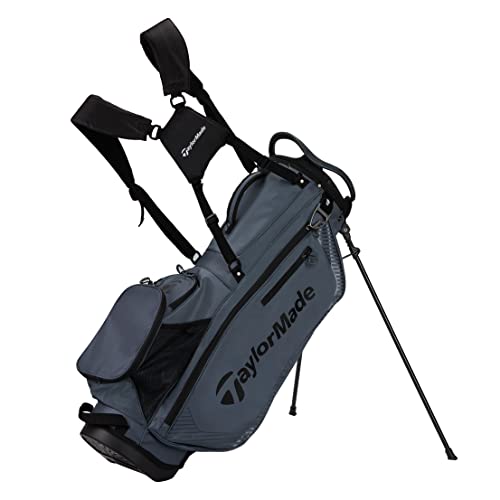
Best Golf Stand Bags for the Walking Golfer
Experience the freedom of carrying your clubs with a lightweight, feature-packed stand bag. Our guide breaks down everything from strap comfort to club organization, helping you find the perfect carry companion.
FIND YOUR STAND BAGThe Carry Bag Advantage: A high-quality stand bag isn't just about carrying your clubs; it's about improving your connection to the course. By walking, you engage more with the terrain, maintain a better rhythm between shots, and gain a deeper appreciation for course strategy. We'll help you choose a bag that makes the walk effortless.
Key Features of a Top-Performing Stand Bag
Modern stand bags have evolved significantly from simple Sunday bags. They now blend ultralight materials with clever storage solutions. Before diving into our product recommendations, understanding these core components will empower you to select a bag that matches your playing style, whether you're a dedicated walker or someone who alternates between carrying and using a push cart. The right bag balances weight, durability, and organizational capacity.
- Weight & Materials: Premium bags use aluminum or carbon fiber legs and lightweight nylon fabric. Aim for a bag between 3 to 6 pounds for comfortable 18-hole carry.
- Strap System: Look for ergonomic, dual-strap systems with ample padding and quick-adjust buckles. A well-balanced strap setup drastically reduces shoulder fatigue.
- Club Dividers: A full-length 14-way top is the gold standard for total club organization and preventing grip tangling, making club selection a breeze.
- Stand Mechanism: A stable, non-slip foot pad and smooth, responsive leg deployment are non-negotiable. Bags with angled legs resist tipping on uneven lies.
- Pockets & Storage: From waterproof, velour-lined valuables pockets to full-length apparel pockets and insulated beverage sleeves, storage should be ample but not bulky.
Why a Dedicated Stand Bag Improves Your Game
Many golfers make the mistake of using a heavy cart bag for an occasional walking round, a decision that can lead to fatigue and poor shots on the back nine. A dedicated stand bag is engineered for balance. Its center of gravity and strap design distribute weight across your shoulders and back, preserving energy for your swing. The convenience of a built-in stand also protects your grips from morning dew and speeds up play, especially around the greens when you can set the bag down right next to your ball to focus on your chipping technique without having to lay your bag on the ground.
The 14-Way Divider Revolution
One of the most significant upgrades in stand bag design is the transition from 4- or 5-way tops to full-length individual dividers. A 14-way top provides a dedicated slot for every club in the bag. This not only protects your investment in graphite shafts from unnecessary friction and wear but also provides instant visual confirmation that you haven't left a wedge behind. For any golfer serious about organization, this feature is indispensable.
Beyond club protection, these bags often incorporate a dedicated, oversized putter well—perfect for those larger modern mallet putter grips. The added structure also keeps the bag shape rigid, preventing it from collapsing when the legs are deployed, which is a common complaint with older, less structured models. When combined with a solid stand mechanism, a 14-way top transforms the stand bag into a highly functional and protective mobile command center on the course.
Stand Bag vs. Cart Bag vs. Carry Bag
Choosing the right bag type depends entirely on how you play golf. While we're focusing on stand bags, it's helpful to understand their distinct advantages over other popular options. A carry bag, often called a Sunday or pencil bag, prioritizes ultimate lightness at the expense of storage and club protection. In contrast, a cart bag is designed to be strapped onto a riding cart or an electric trolley, offering maximum storage and larger tops but with a heavy weight and no stand.
The stand bag is the perfect hybrid: light enough to carry for a full 18 holes, yet sturdy and feature-rich enough to perform well on a push cart when you need a break. This versatility makes it the most popular choice for the modern golfer. To illustrate the key differences, consider the following comparison:
| Feature | Stand Bag | Cart Bag | Carry/Sunday Bag |
|---|---|---|---|
| Average Weight | 3.5 - 6 lbs | 6 - 9 lbs | 2 - 4 lbs |
| Club Divider | 4-way to 14-way full-length | 14-way or 15-way full-length | 2-way or 3-way |
| Primary Use | Walking, all-purpose | Riding cart, push cart | Minimalist carry, par-3 courses, practice |
| Storage Capacity | Moderate to High | Very High | Low |
| Price Range | $150 - $350 | $180 - $450 | $80 - $180 |
Essential Accessories for Your Stand Bag
Once you've selected the right stand bag, accessorizing it properly enhances its functionality. Start with a quality set of headcovers to protect your woods from dings and scratches as you walk. A compact, microfiber golf towel clipped to the bag ring is essential for keeping clubs and balls clean mid-round, especially after an escape from a bunker. You'll also want to ensure you have a durable divot tool and a custom ball marker easily accessible in a quick-access pocket—tools you'll use on every single green to correctly apply the etiquette of the game.
Don't overlook the importance of a proper rain hood. While most stand bags come with one, you might consider a high-quality upgrade or a full golf umbrella that can be secured in the bag's dedicated sleeve. For hydration, many premium stand bags feature an insulated sleeve, but if yours doesn't, a slim water bottle that fits in the apparel pocket is a must for on-course hydration. Finally, a spare glove and some extra tees should always have a home in a dedicated pocket, so you're never caught short on the first tee.