Gap Wedge Guide: Loft, Bounce & Best Options for Precise Gapping
Everything you need to know about choosing and using a gap wedge to fill the crucial distance void in your short game.
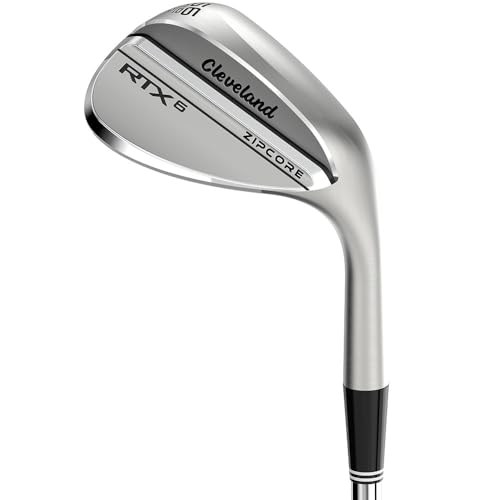
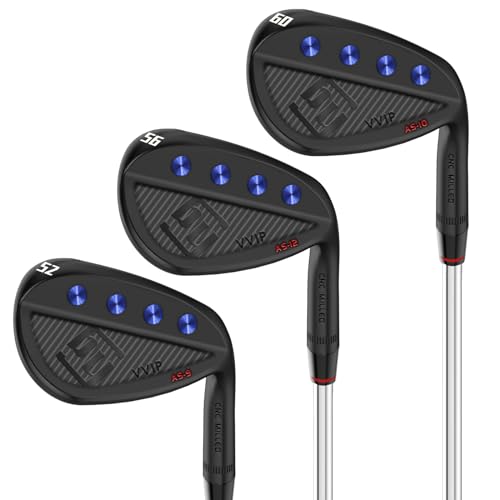
A gap wedge (also called an approach wedge) is the scoring club designed to bridge the distance between your pitching wedge and sand wedge. Most pitching wedges today have lofts around 44–48°, while sand wedges sit at 54–56°. That’s a 10–12° loft difference that creates a 20–30 yard gap. A gap wedge, typically lofted at 50–52°, fills that hole perfectly, giving you a full-swing option that stops on the green and a versatile tool for partial shots.
Why a Gap Wedge is a Must-Have
- Eliminates the distance gap – No more awkward half swings between your PW and SW. A full gap wedge delivers consistent distance and trajectory.
- More scoring opportunities – From 100–120 yards out, you’ll hit more greens and have shorter putts. Better distance control leads directly to lower scores.
- Versatile around the green – Use it for chip-and-runs, high soft pitches, and bump-and-run shots that a sand wedge can’t handle as effectively.
- Improves full-swing gapping – When combined with a lob wedge, you’ll have four even yardage gaps that simplify club selection.
Loft & Bounce: The Numbers That Matter
Gap wedges generally come in lofts from 50° to 52°, though some modern game‑improvement sets include a 48° or 49° approach wedge. The right loft depends on your iron set specs and your existing wedge setup.
| Wedge | Typical Loft | Typical Bounce | Best For |
|---|---|---|---|
| Pitching Wedge | 44°–48° | 4°–8° | Full shots, firm turf |
| Gap Wedge | 50°–52° | 8°–12° | Approach shots, chipping, partial swings |
| Sand Wedge | 54°–56° | 10°–14° | Bunker play, soft lies |
| Lob Wedge | 58°–60° | 4°–10° | High flop shots, extreme short-sided pins |
Bounce is just as important as loft. A mid bounce (8–12°) is the most versatile choice, preventing the club from digging in normal turf while still allowing crisp contact. If you play on firm, tight fairways, a lower bounce (6–8°) gap wedge can help. For soft conditions, higher bounce (10–12°) adds forgiveness. Dive deeper into bounce with our wedge bounce guide.
Set-Matched vs. Specialty Gap Wedges
One of the biggest decisions is whether to use the gap wedge that matches your irons or to buy a standalone specialty wedge.
Set-Matched (Cavity Back)
Pros: Forgiving on off-centre hits, launches higher, blends perfectly with your game improvement irons or players irons. Great for full swings.
Cons: Less workability around the greens, limited sole grind options.
Specialty (Blade Style)
Pros: Superior feel, precise shot shaping, multiple sole grinds for different turf conditions, typically more spin.
Cons: Less forgiving, requires consistent striking.
If you rely on full-swing yardages, the set-matched option simplifies things. If you crave versatility and use your gap wedge for delicate chips and pitches, a specialty wedge will give you more control. Your shaft selection guide can help you match the shaft flex and weight to your swing.
Hitting Your Gap Wedge: Swing Tips
- Full swing: Use a smooth, controlled tempo. Let the loft do the work; you don’t need to swing harder to get distance. Consistent contact is key.
- Partial shots: Grip down an inch, narrow your stance, and use a three-quarter backswing. Practice half, three-quarter, and full swings to build a reliable distance matrix.
- Chipping & pitching: The gap wedge is excellent for bump-and-run shots around the green. Play the ball slightly back, lean the shaft forward, and use a putting-like stroke. Learn more in our chipping guide and pitching techniques articles.
- Spin and trajectory: Make clean, ball-first contact. A premium wedge with fresh grooves generates the stopping power you need. Check our wedge swing tips for drills.