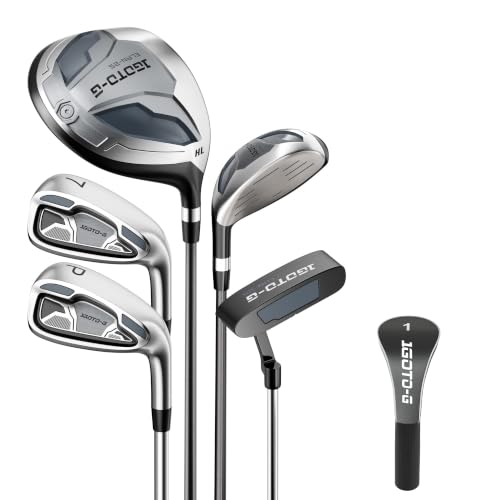
Golf Clubs: Complete Buying Guide & Expert Reviews
Find the perfect golf clubs for your game. Comprehensive guides to drivers, irons, wedges, putters, and club fitting. Make an informed decision and improve your performance on the course.
Explore Club GuidesShop By Club Type
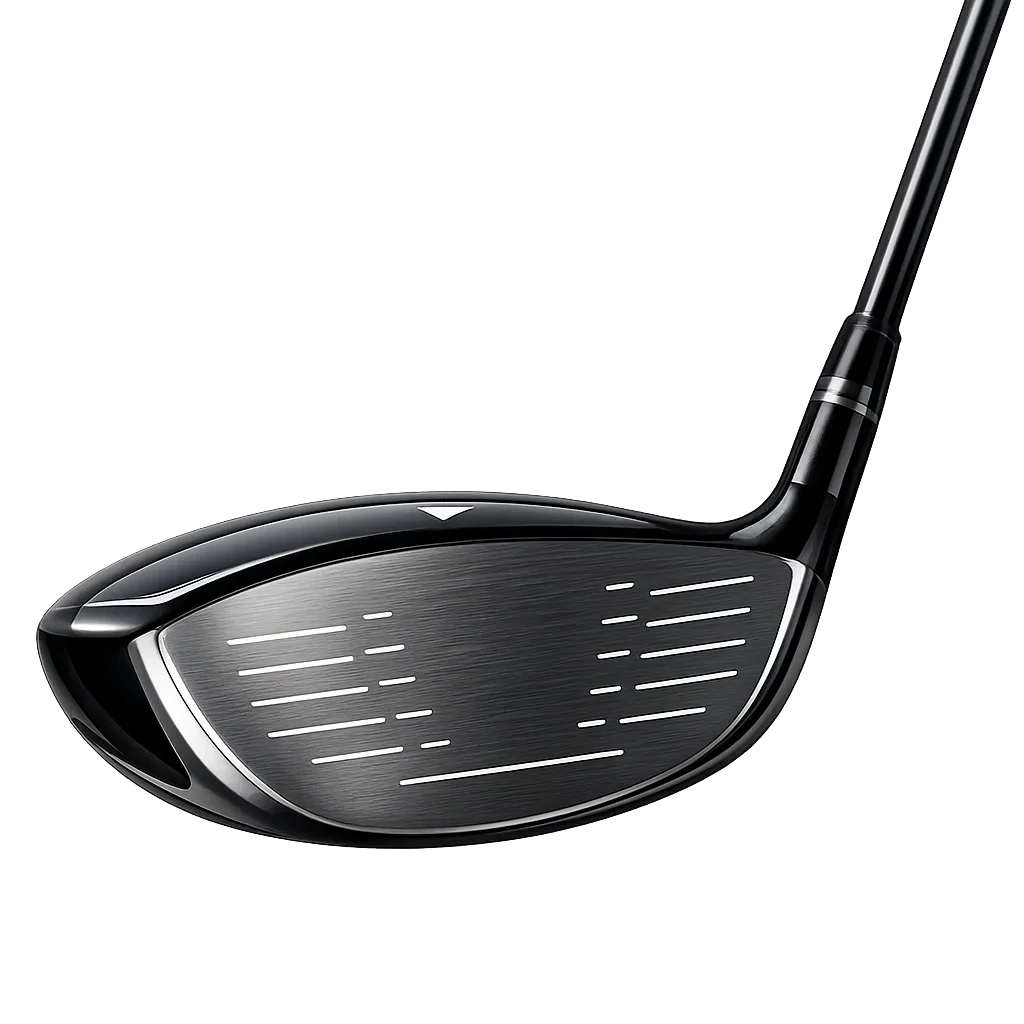
Drivers
Maximize distance & accuracy off the tee
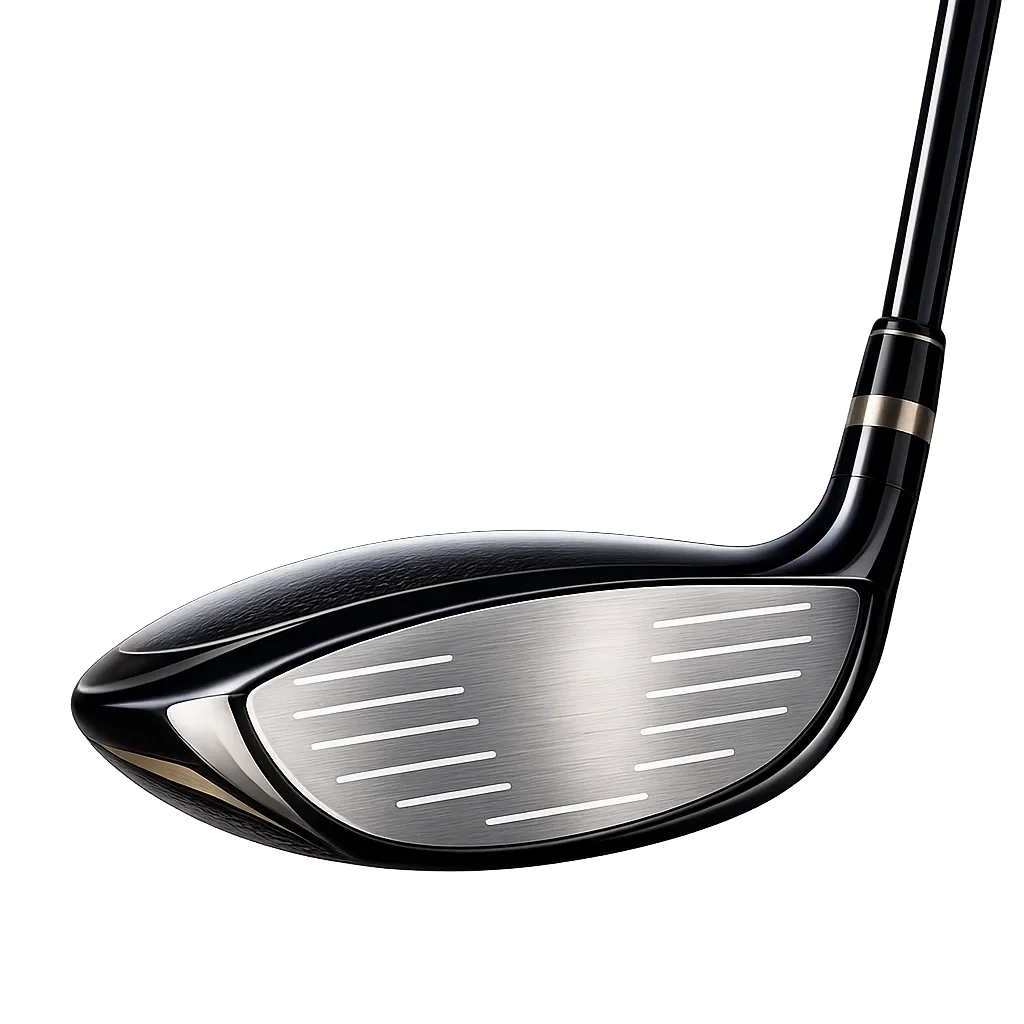
Fairway Woods
Versatile clubs for long shots
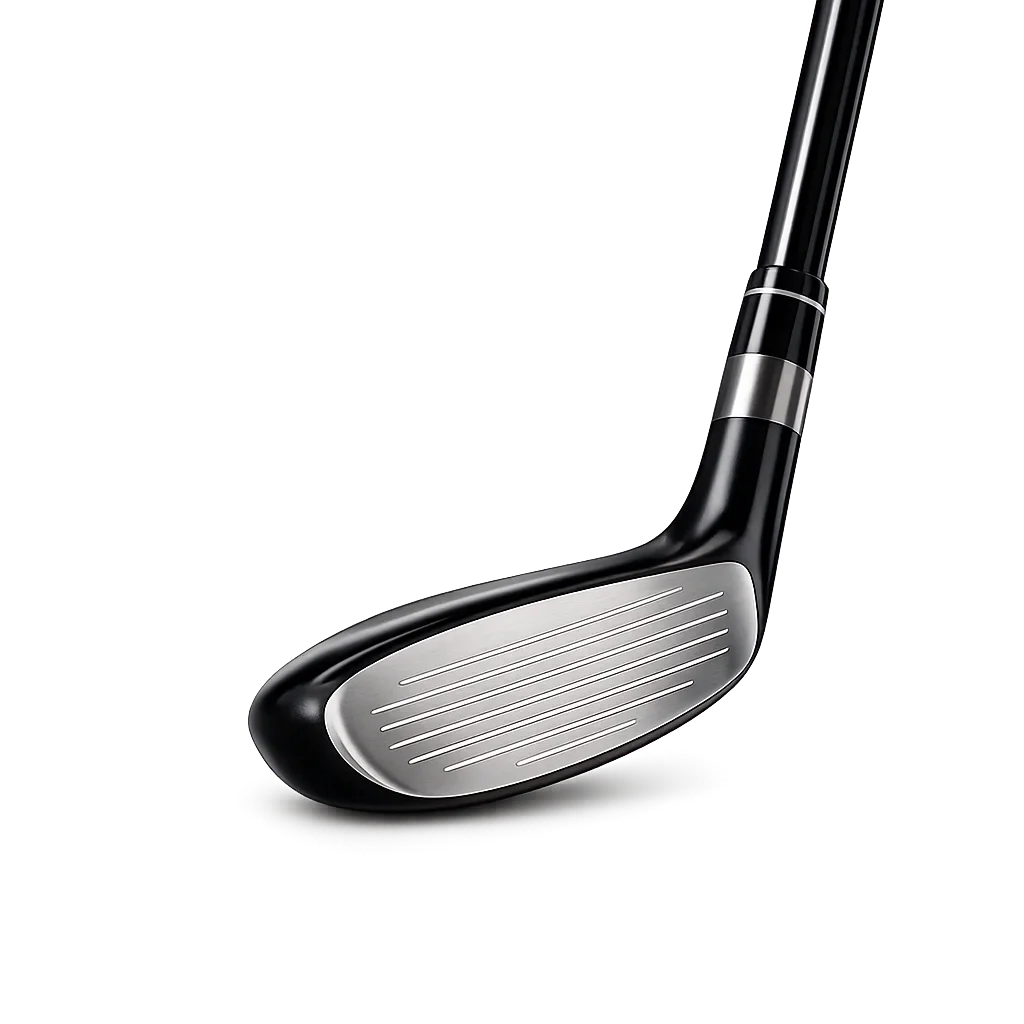
Hybrids
Easy-to-hit alternatives to long irons
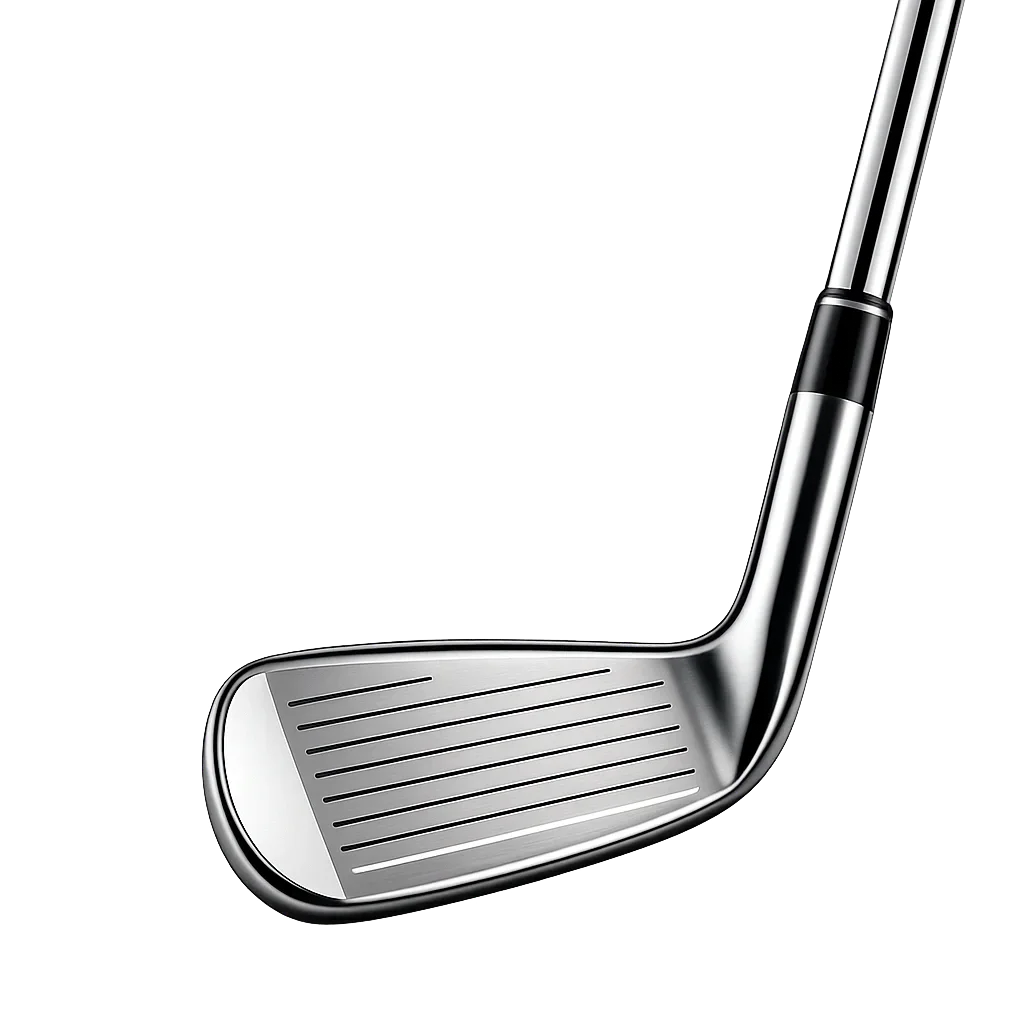
Irons
Precision and control for approach shots
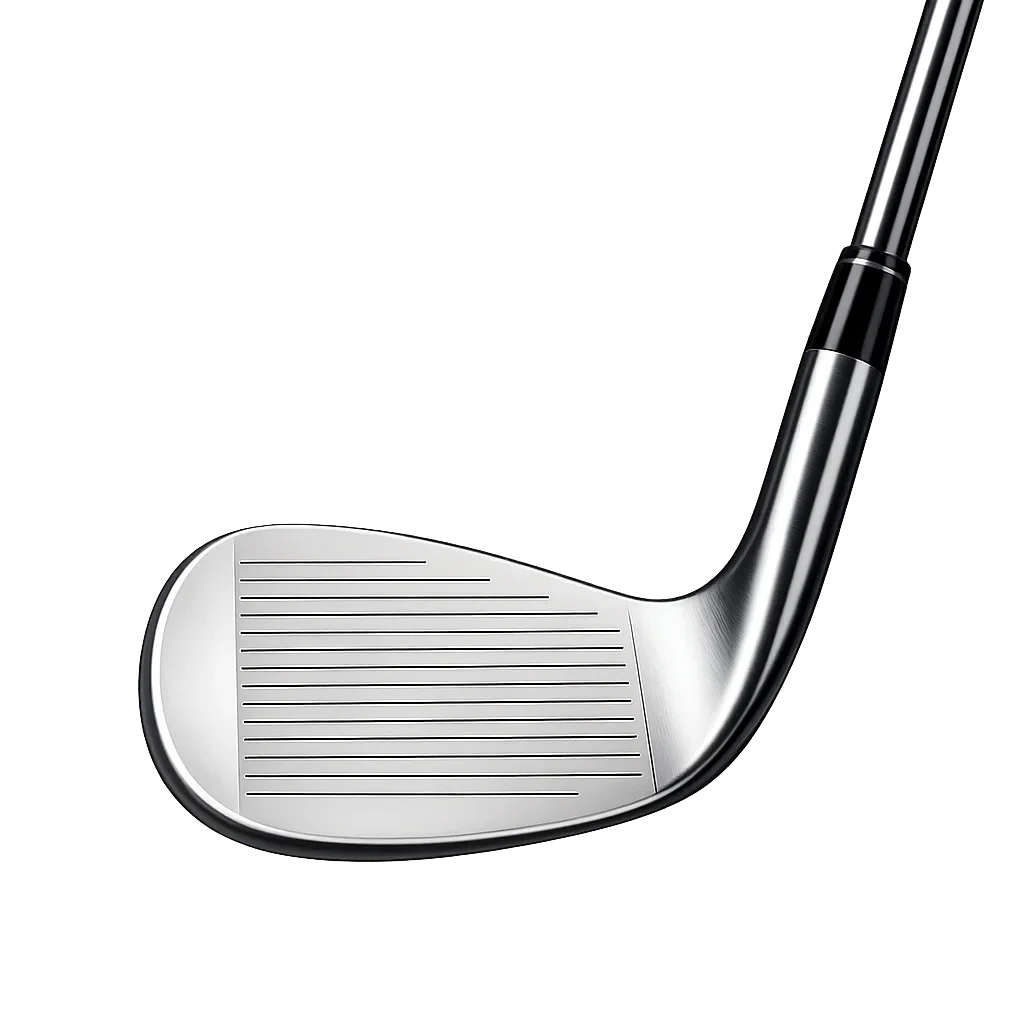
Wedges
Master your short game
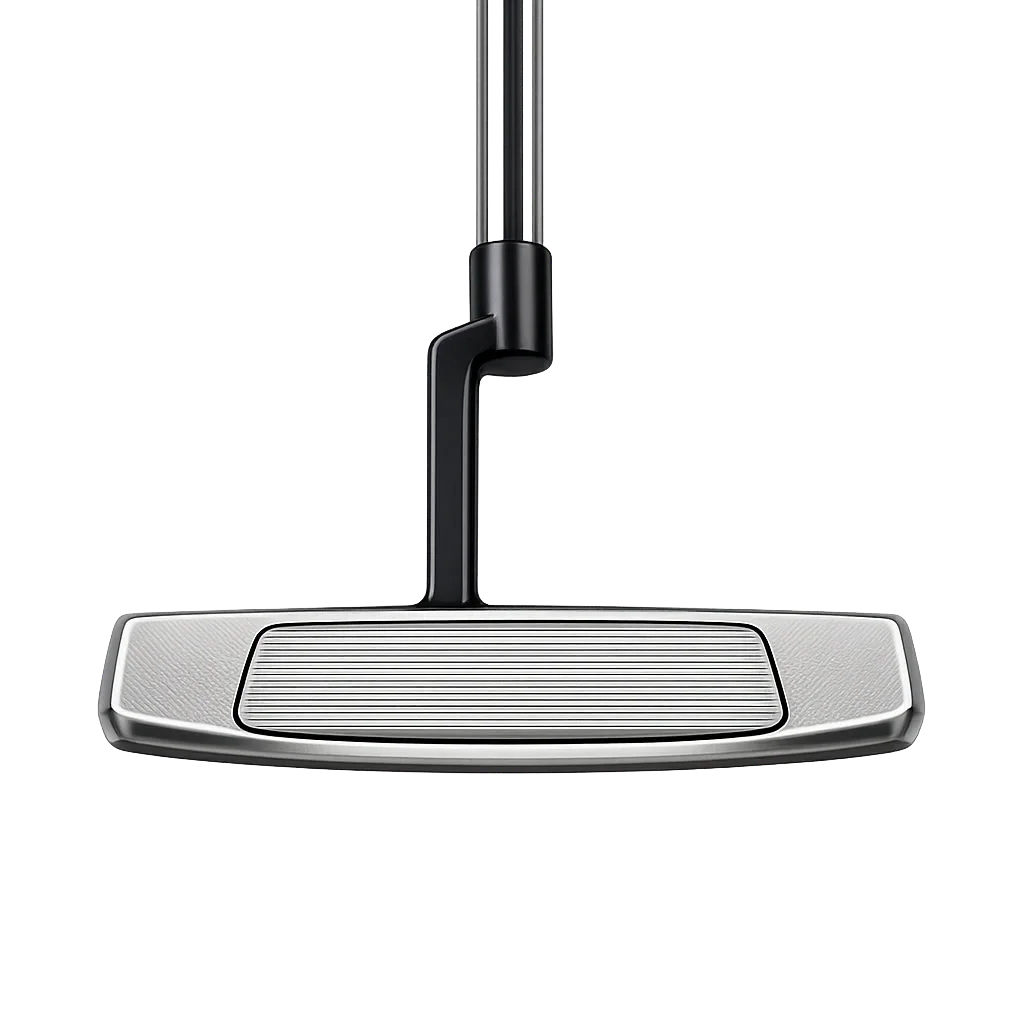
Putters
Sink more putts with the right putter
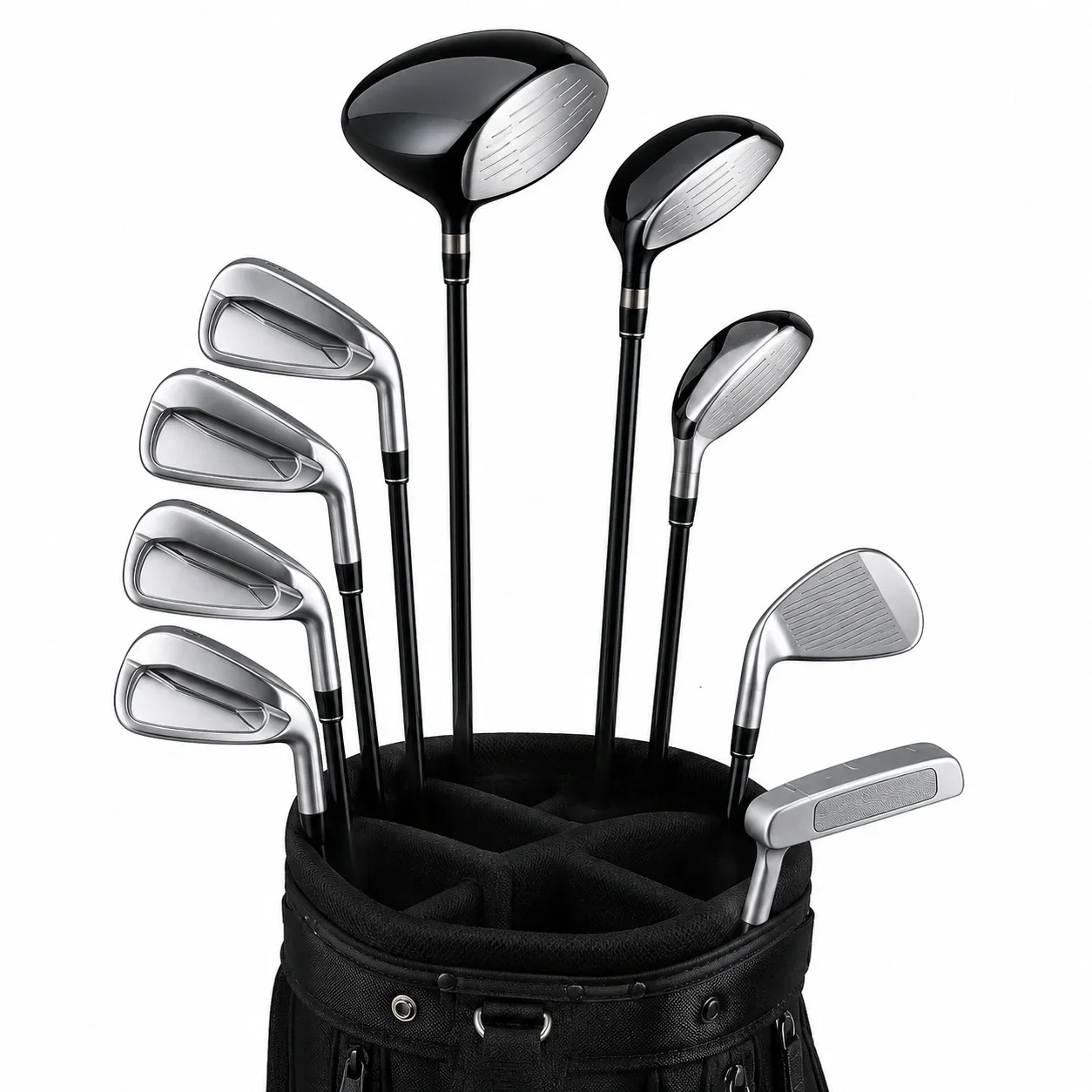
Complete Sets
Everything you need to get started
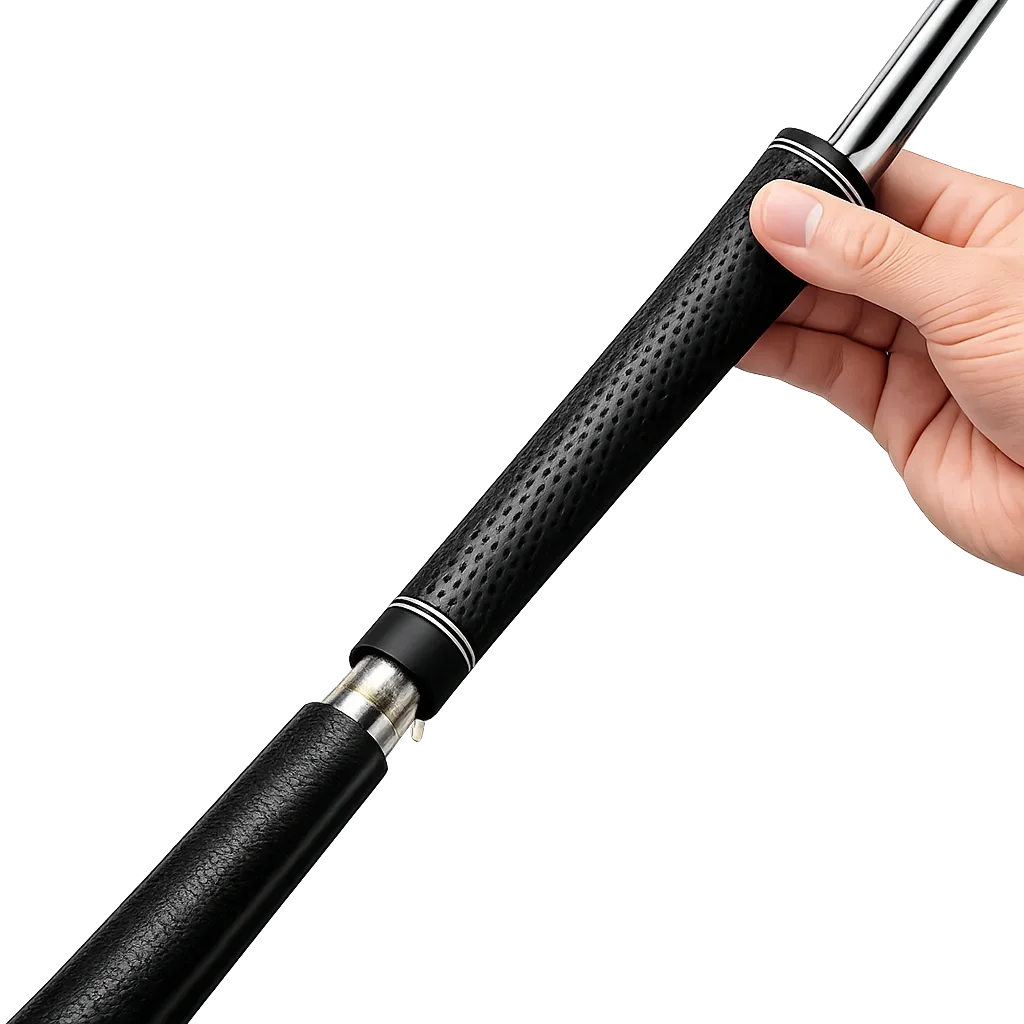
Club Regripping
Refresh and improve your clubs
How to Choose the Right Golf Clubs for Your Game
Selecting the right golf clubs is one of the most important decisions you'll make as a golfer. The right clubs can significantly improve your performance, while the wrong ones can hold you back. This comprehensive guide will walk you through everything you need to know about choosing golf clubs, from understanding different club types to getting properly fitted.
Whether you're a beginner looking for your first set, a mid-handicapper seeking to upgrade, or a low-handicapper fine-tuning your bag, this guide covers it all. We'll explore the different types of golf clubs, what to look for in each, and how to determine which options best suit your game.
Key Insight: The best golf clubs for you depend on your swing speed, skill level, and specific needs. Getting fitted by a professional can help you find the perfect combination of clubs for your game.
Understanding Different Types of Golf Clubs
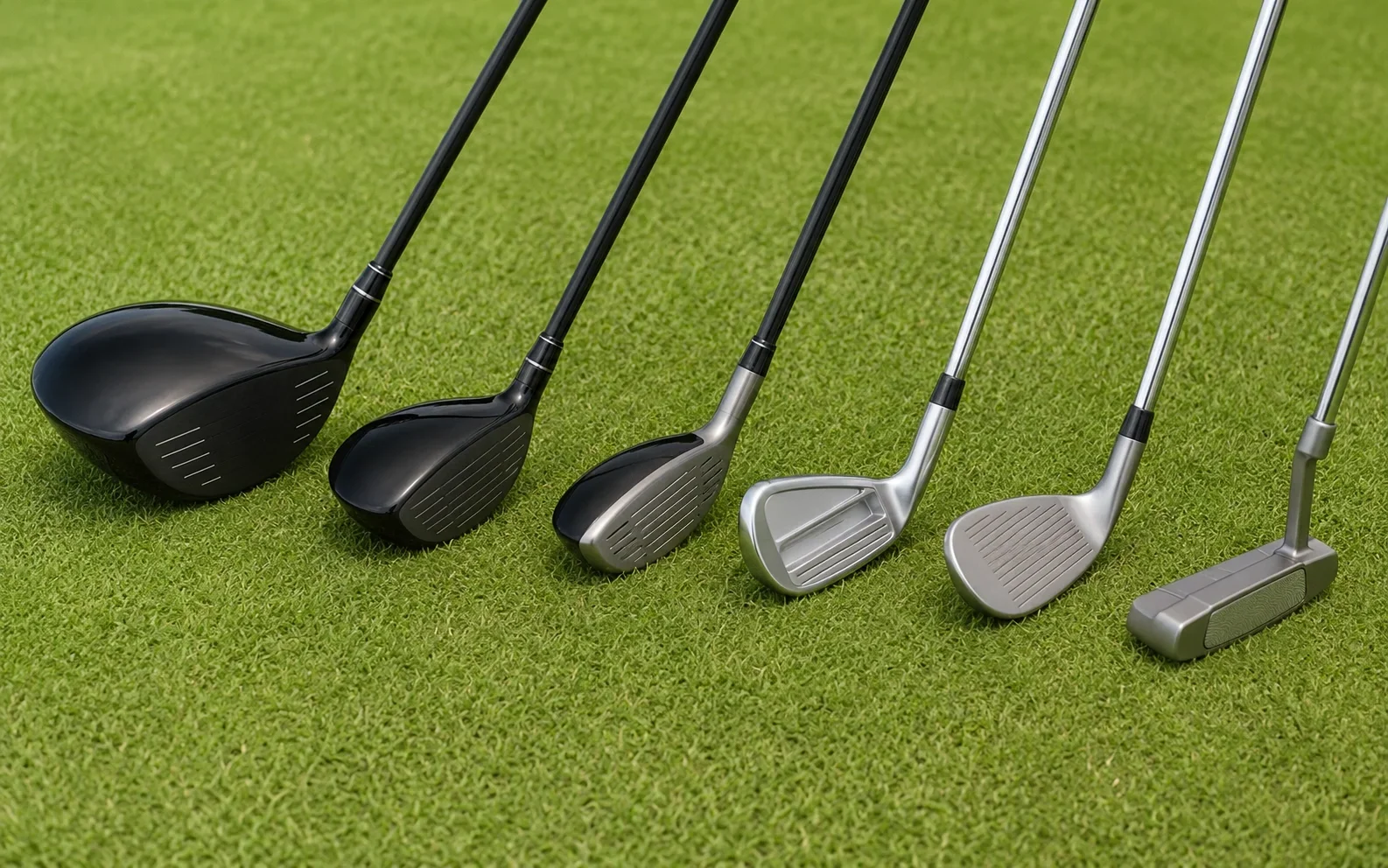
A standard set of golf clubs typically includes a driver, fairway woods, hybrids, irons (usually 4-9), wedges (pitching, gap, sand, and lob), and a putter. Here's what each type does:
- Drivers: Used for tee shots on par-4 and par-5 holes. They have the largest clubheads and lowest loft, designed for maximum distance. Learn more about driver fitting to find the right one for you.
- Fairway Woods: Used for long shots from the fairway or off the tee when accuracy is more important than distance. They have more loft than drivers, making them easier to launch.
- Hybrids: Designed to replace long irons (2, 3, 4). They combine the forgiveness of a wood with the control of an iron, making them easier to hit from various lies.
- Irons: Used for approach shots, from fairway lies and from the rough. Game improvement irons offer more forgiveness, while players irons provide more workability and feel.
- Wedges: Specialized irons for short game shots, including pitching (pitching wedge), gap, sand (sand wedge), and lob (lob wedge) wedges. Understanding wedge bounce is crucial for selecting the right wedges.
- Putters: Used on the green to roll the ball into the hole. Mallet putters offer more forgiveness, while blade putters provide more feel. The right putter grip and proper fitting can make a significant difference in your putting performance.
Drivers: Maximizing Distance Off the Tee
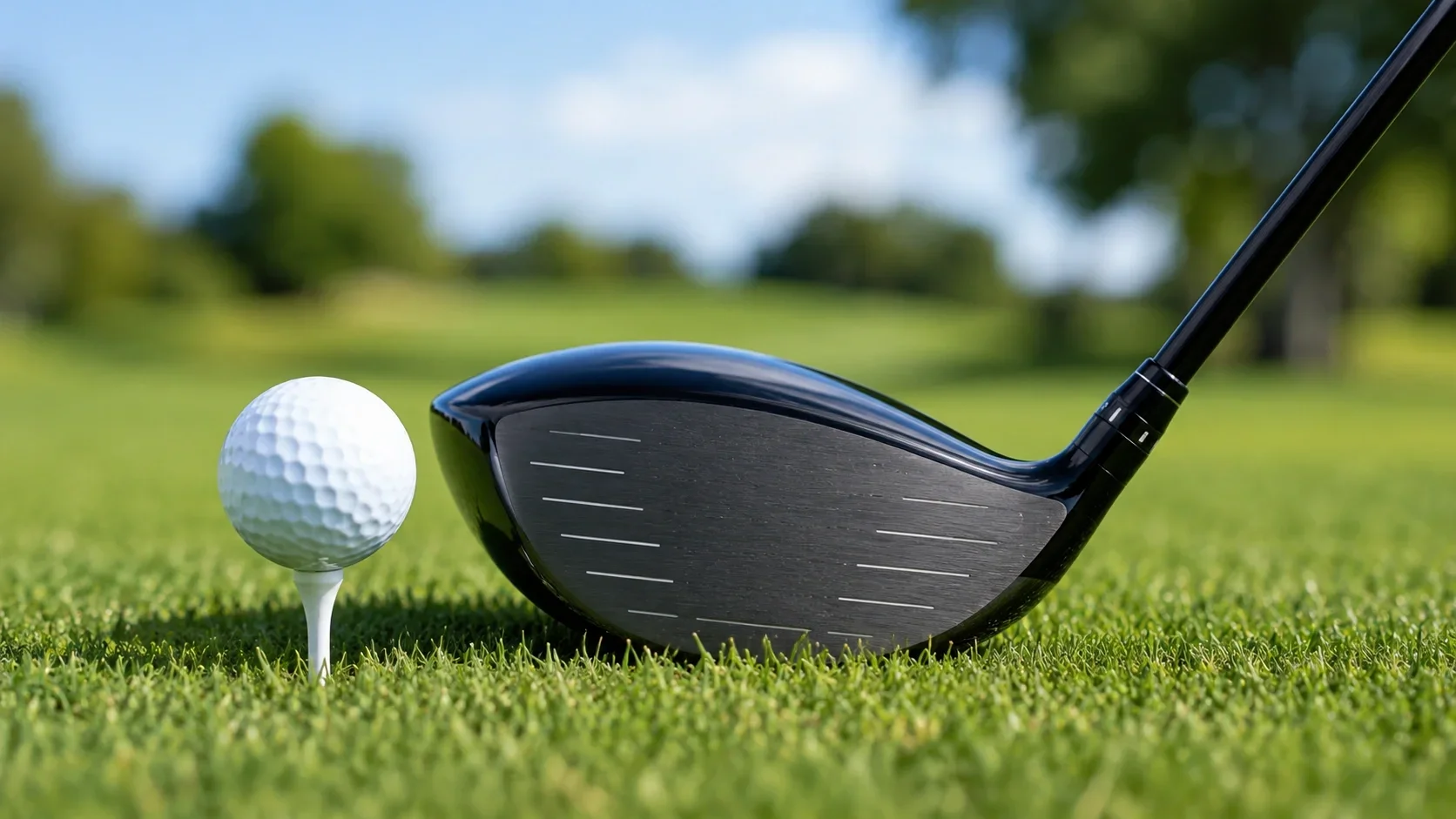
The driver is often the most important and most discussed club in any golfer's bag. It's designed to hit the ball the farthest distance, and it's used on most par-4 and par-5 holes. When choosing a driver, consider these key factors:
- Loft: Higher loft generates more spin and height, which can be beneficial for slower swing speeds. A 10.5-degree driver is typically best for average golfers.
- Shaft flex: The shaft should match your swing speed. Regular flex is suitable for average swing speeds, while stiff or extra-stiff flex is better for faster swing speeds.
- Forgiveness: Adjustable drivers allow you to fine-tune settings like loft and lie angle. Consider most forgiving drivers if you struggle with mishits.
For more detailed information, check out our comprehensive driver buying guide and learn about different driver fitting options.
Irons: Precision and Control for Approach Shots
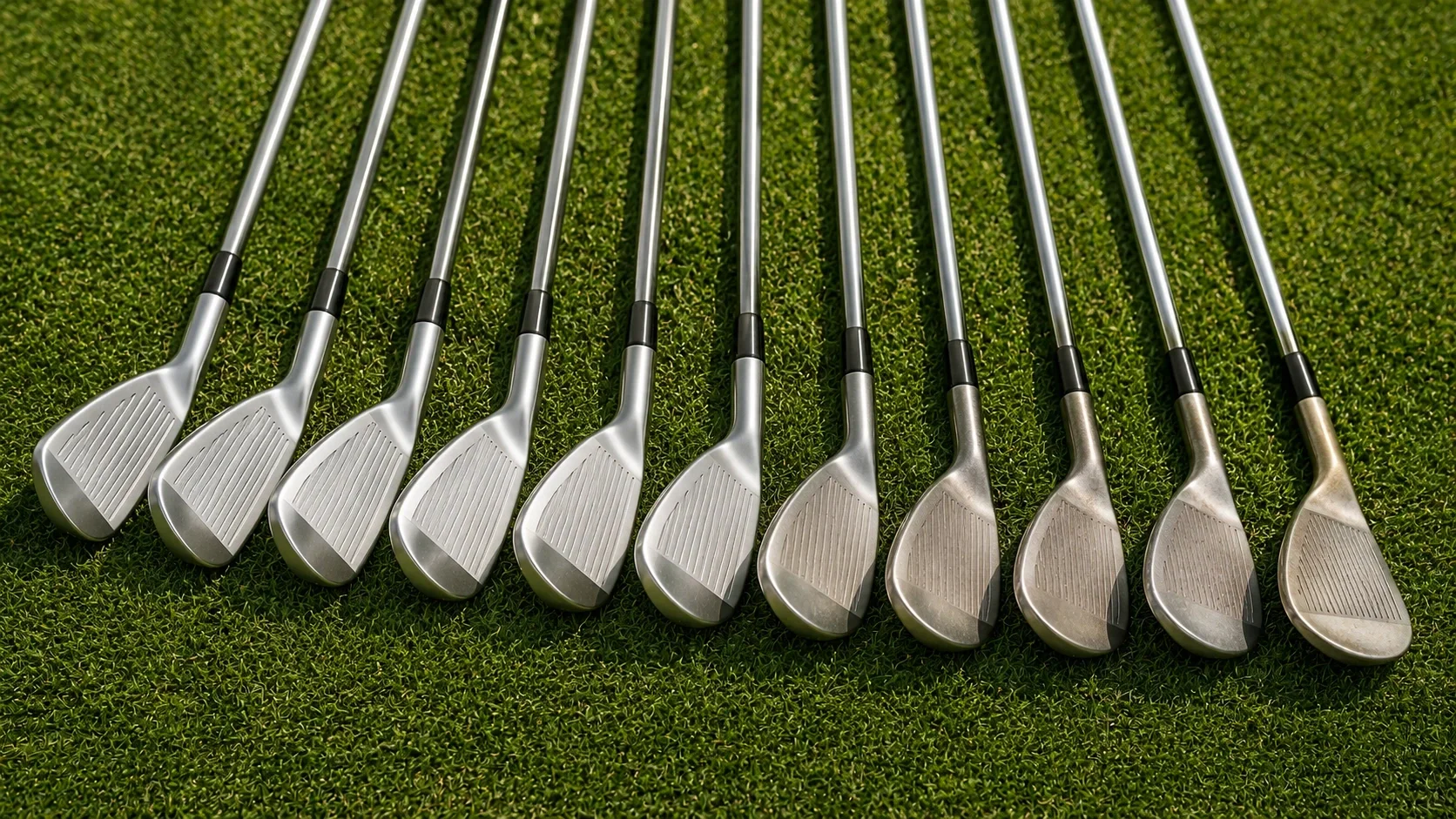
Irons are the workhorses of your bag, used for approach shots, from the fairway, and from various lies. They come in different styles designed for different skill levels:
- Game Improvement Irons: Designed with larger heads and wider soles for maximum forgiveness. Ideal for beginners and high-handicappers who need help getting the ball airborne.
- Players Irons: Smaller heads with thinner soles designed for better players who want more workability and control.
- Iron Fitting: Getting properly fitted for your irons is essential. Factors like shaft length, lie angle, and grip size can dramatically affect your performance.
- Shaft Selection: The right shaft can make a significant difference in your iron play. Consider graphite versus steel, and choose the right flex based on your swing speed.
If you're a beginner or high-handicapper, we recommend starting with game improvement irons or most forgiving irons. Best irons for beginners often combine forgiveness with ease of use.
Pro Tip: If you're upgrading your irons, consider getting fitted. A proper iron fitting helps you find the right shaft length, lie angle, and shaft flex for your swing, resulting in better ball striking and more consistent results.
Wedges: Mastering the Short Game
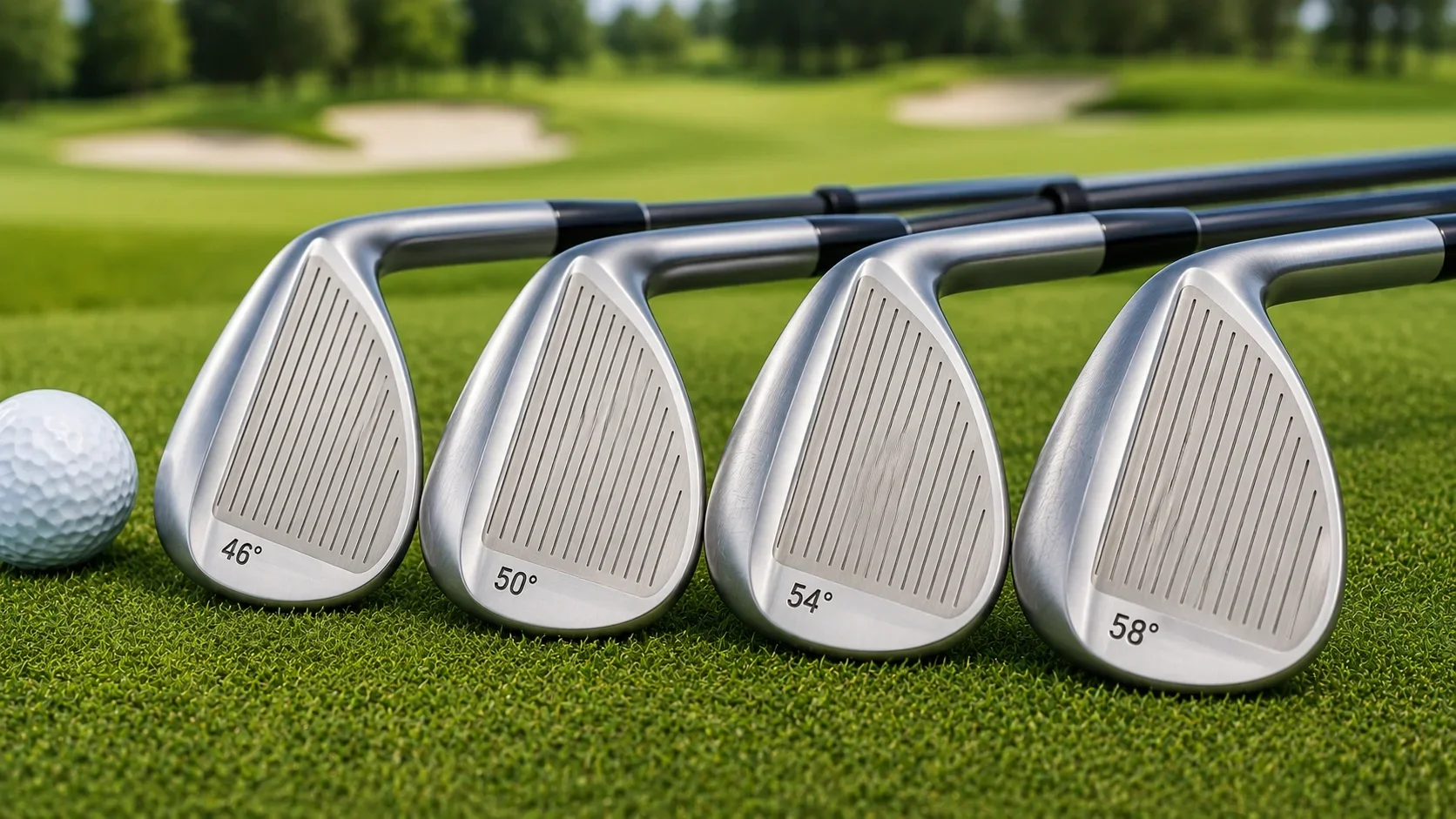
Wedges are specialized irons designed for shots around the green. The right wedges can dramatically improve your scoring ability:
- Pitching Wedge (PW): Typically 44-48 degrees loft. Used for approach shots from 100-130 yards.
- Gap Wedge (GW): Typically 50-52 degrees loft. Fills the gap between the pitching wedge and sand wedge.
- Sand Wedge (SW): Typically 54-56 degrees loft. Designed for bunker play and approach shots from 80-100 yards.
- Lob Wedge (LW): Typically 58-60 degrees loft. Used for high, short shots around the green and out of thick rough.
- Wedge Bounce: Understanding bounce is crucial for wedge selection. Higher bounce is better for soft conditions, while lower bounce is ideal for firm lies.
For mid to high handicappers, we recommend forgiving wedges that offer more bounce for easier bunker play. Best wedges for high handicappers focus on forgiveness and versatility.
Putters: The Most Important Club in Your Bag
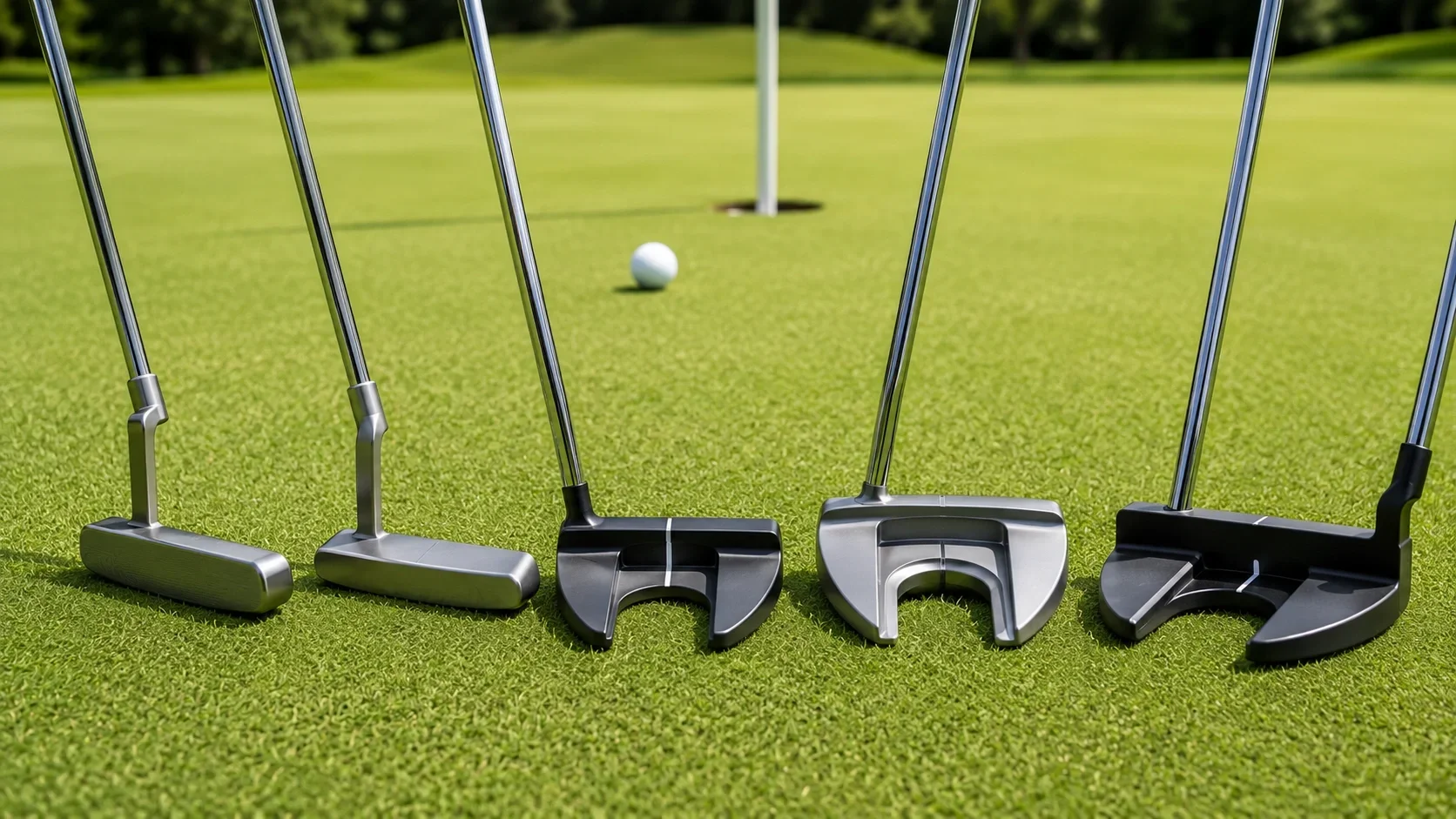
Putting accounts for about 40% of your score, making the putter arguably the most important club. Choose the right putter can significantly improve your scores:
- Blade Putters: Traditional design with a narrow head. Preferred by golfers who want more feel and feedback on their putts.
- Mallet Putters: Larger heads with more weight distributed around the perimeter. Offer more forgiveness on mis-hits.
- Counterbalanced Putters: Heavier putters that help with a smoother, more consistent stroke.
- Putter Grips: The grip significantly affects your putting stroke. Best putter grips can help you maintain a consistent stroke.
- Putter Fitting: A proper putter fitting considers your stance, eye position, and stroke type. Best putter for straight-back, straight-through stroke versus an arc stroke can make a significant difference.
If you're looking for a new putter, consider your dominant eye and stroke type. Best putter for right-handed, right-eye dominant may differ from left-eye dominant golfers. Best putter for straight back and through stroke is typically a face-balanced mallet.
Complete Club Sets: The Best Option for Beginners
If you're new to golf, buying a complete club set is often the most cost-effective option. These sets come with everything you need to start playing:
- Complete sets typically include a driver, fairway wood, hybrid, irons (6-PW), putter, and golf bag.
- Junior sets are designed for younger golfers with shorter clubs and lighter shafts.
- Women's sets feature lighter clubs and shafts designed specifically for female golfers.
- Senior sets offer lighter clubs with senior flex shafts for slower swing speeds.
If you're a beginner, we recommend best golf club sets for beginners to intermediate. For left-handed players, best left-handed golf club set for beginners or best left-handed clubs for high handicappers are available.
Custom Fitting: The Key to Better Golf

Custom fitting is the process of matching golf clubs to your individual swing characteristics. This includes:
- Shaft length: Based on your height and wrist-to-floor measurement. Find a club fitter near you.
- Lie angle: Determines whether the clubhead sits flat on the ground at address. The iron fitting guide explains this in detail.
- Shaft flex: Matches your swing speed. Best shaft for 100 mph swing speed differs from slower swing speeds.
- Grip size: Should fit your hand size for proper grip and control.
For those with slower swing speeds, consider best driver for seniors or forgiving fairway woods. Getting fitted can help you find the best clubs for intermediate players or the right clubs for beginners.
Important: Custom fitting can benefit players of all skill levels. Many golfers see immediate improvement after getting fitted for the right clubs. It's one of the best investments you can make in your game.
Golf Club Maintenance and Care
Properly maintaining your golf clubs can extend their life and ensure consistent performance:
- Clean your clubs regularly: Remove dirt and grass from clubheads with a brush and soapy water.
- Inspect your grips: Over time, grips wear out and lose tackiness. Regripping your clubs is important for maintaining control.
- Check your loft and lie: Over time, clubs can bend, affecting their performance. Have them checked by a professional.
- Protect your clubs: Use headcovers to prevent damage to your clubs during transport.
When transporting your clubs, use proper golf travel bags or travel covers to protect them. Hard travel cases offer the best protection for air travel.
Golf Club Frequently Asked Questions
How many golf clubs are in a standard set?
A standard set of golf clubs includes 14 clubs: a driver, a fairway wood, a hybrid, irons (4-9), pitching wedge, gap wedge, sand wedge, lob wedge, and a putter.
What is the difference between game improvement and players irons?
Game improvement irons are designed for maximum forgiveness with larger heads, wider soles, and perimeter weighting. Players irons offer more workability and feel but require more consistent ball striking.
How do I know what shaft flex I need?
Your shaft flex should match your swing speed. Generally, slower swing speeds (under 75 mph) use regular flex, moderate speeds (75-85 mph) use stiff flex, and fast speeds (over 85 mph) use extra stiff flex. See our complete shaft guide for detailed information.
Should I buy a complete club set or individual clubs?
For beginners, a complete set offers the best value. For intermediate to advanced players, buying individual clubs allows you to customize each club to your game. Compare complete sets vs individual clubs to determine your best option.
How often should I replace my golf clubs?
Most golfers replace their clubs every 5-7 years. However, if you're making significant improvements in your game or if your clubs are showing signs of wear, you may want to replace them sooner.
What are the best golf clubs for beginners?
For beginners, we recommend game improvement clubs that are forgiving and easy to hit. Choosing your first clubs is an important decision. Best club sets for beginners provide excellent value and performance.
What is the most forgiving driver for a high handicapper?
The most forgiving drivers typically have larger heads, higher MOI, and more loft. Most forgiving golf drivers can help high handicappers achieve more consistent results off the tee.
Are expensive golf clubs worth it?
Expensive clubs often feature better materials and more advanced technology. However, the most important factor is proper fitting and suitability for your game. Find the right balance of quality and value.
Ready to Improve Your Golf Game?
Choosing the right golf clubs is just the beginning. To truly improve your game, consider working with a golf professional, practicing regularly, and learning proper golf technique. Explore our other guides for more golf advice:
- Complete golf swing guide
- Driver swing tips
- Iron swing tips
- Wedge swing tips
- Putting tips to lower your score
We hope this guide helps you find the perfect golf clubs for your game. Remember, the right equipment paired with proper technique and practice is the formula for success on the course.
Golf Club Comparison: Find Your Perfect Match
Use this comparison table to quickly understand the differences between various golf club types and find the best option for your game.
| Club Type | Best For | Key Feature | Loft Range | Price Range |
|---|---|---|---|---|
| Drivers | Max Distance | Large clubhead, low loft | 8°-12° | $400-$600+ |
| Fairway Woods | Versatility | Forgiveness from fairway | 14°-21° | $250-$400 |
| Hybrids | Replace Long Irons | Easy launch from rough | 17°-25° | $200-$350 |
| Game Improvement Irons | Beginners & High Hcp | Maximum forgiveness | 20°-45° | $600-$1,200 |
| Players Irons | Better Players | Workability & feel | 20°-45° | $800-$1,500 |
| Wedges | Short Game | Specialized lofts & bounce | 44°-60° | $150-$200 each |
| Putters | On the Green | Face balance & alignment | 2°-4° | $100-$500 |
| Complete Sets | Beginners | All-in-one solution | Various | $300-$1,000 |
* Prices are approximate and may vary based on brand, model, and retailer. See our best golf clubs buying guide for current recommendations.
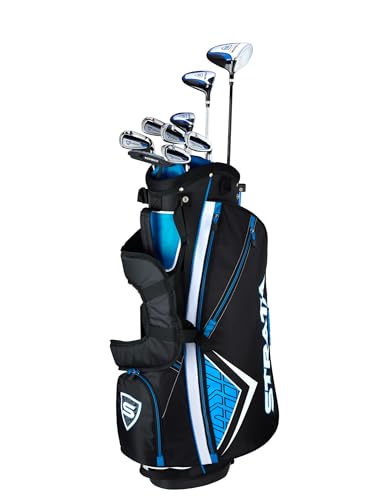

![PGF Labs Men's BD-77 Complete Golf Club Package Set [14-Pieces][Flex: Regular] [Hand: Right] [Length: Standard]](https://m.media-amazon.com/images/I/51BmW4rGzCL._SL500_.jpg)

![PGF Men's Gold TP Complete Golf Club Package Set [11-Pieces] [Hand: Right] [Length: Standard]](https://m.media-amazon.com/images/I/51wyIJhWbAL._SL500_.jpg)
![PGF Golf Gold TP Men's Complete Golf Club Package Set [17-Pieces][Flex: Regular] [Hand: Right] [Length: Standard]](https://m.media-amazon.com/images/I/71yy68nLETL._SL500_.jpg)