
Best Golf Irons for Beginners and Intermediate Players
A complete buying guide to forgiveness, playability, and value – find the perfect irons to improve your game.
Why Choosing the Right Irons Matters
For beginners and intermediate golfers, irons are the clubs you’ll use most often on the course. The wrong set can make learning frustrating; the right set builds confidence, improves consistency, and helps you shoot lower scores faster. This guide breaks down everything you need to know – from forgiveness technology to shaft choices – so you can select irons that match your swing and skill level.
If you’re still assembling your full bag, our complete club sets guide can help you get started with a coordinated setup.
Key Features of Beginner & Intermediate Irons
1. Cavity Back Design = Maximum Forgiveness
Nearly all irons suited for this level feature a cavity back – a hollowed‑out rear that shifts weight to the perimeter. This expands the sweet spot, so off‑center hits still fly reasonably straight and far. Our cavity back iron recommendations dive deeper into the most forgiving models.
2. Game Improvement vs. Super Game Improvement
Super Game Improvement Irons (ideal for true beginners) prioritize launch and distance with wider soles, stronger lofts, and often a thicker topline. Game Improvement Irons (great for intermediates) offer a sleeker look with a touch more workability while still providing plenty of help. Explore the differences in our game improvement irons overview.
3. Shaft Flex and Material
The shaft is the engine of the club. Most beginners benefit from graphite shafts – they’re lighter, promote higher launch, and reduce vibration. Intermediate players may prefer steel for tighter dispersion. To match flex to your swing speed, check our complete shaft selection guide.
4. Offset for a Straighter Ball Flight
Offset irons position the clubface slightly behind the shaft, giving you a split‑second longer to square the face at impact. This helps combat a slice, a common miss among newer players. Many forgiving iron sets incorporate generous offset.
5. Set Composition and Hybrids
Modern beginner sets often replace long irons (3‑, 4‑) with hybrids, which are far easier to launch. A typical 7‑piece set might run from 5‑iron through pitching wedge. For a smooth transition from boxed sets, look at our picks for the best club set for beginners to intermediate.
6. Proper Loft Gapping
Consistent distance gaps between clubs (usually 10–15 yards) are essential for scoring. Once you move beyond a basic set, adding a gap wedge between your pitching wedge and sand wedge can eliminate yardage holes.
Top Categories of Irons for Your Game
Rather than listing specific model names (prices and availability change quickly), we’ve organized our recommendations by category. The product grid below shows today’s best options from Amazon, updated in real time.
1. Super Game Improvement Irons (Beginners)
If you’re new to golf or struggle with consistent contact, these irons are designed to get the ball airborne effortlessly and keep it on target. Expect a deep cavity, low center of gravity, and strong lofts for extra distance.
2. Game Improvement Irons (Intermediate Players)
Once you’ve established a repeatable swing, step into a game improvement set that blends forgiveness with a more traditional shape. You’ll gain better feedback without sacrificing the help you still need. Our best game improvement irons for high handicappers list offers a great starting point.
3. Best Value Iron Sets
Don’t overlook previous‑season models or budget‑friendly brands – many deliver 90% of the performance at half the price. Always pair your selection with a proper fitting; our iron fitting guide explains how to find the right specs without breaking the bank.
Before You Buy: Quick Fitting & Testing Tips
Pro Tip: Even a basic static fitting (measuring your wrist‑to‑floor and swing speed) can drastically improve your results. Many retailers offer free online fitting tools; if you can, hit a few balls on a launch monitor to confirm launch angle, spin, and dispersion. See our iron fitting guide for step‑by‑step instructions.
Remember, irons are a long‑term investment. Focus on forgiveness first, then gradually move toward more player‑oriented designs as your skills advance. The grid below features irons that meet these criteria – simply click through to check current prices and reviews.

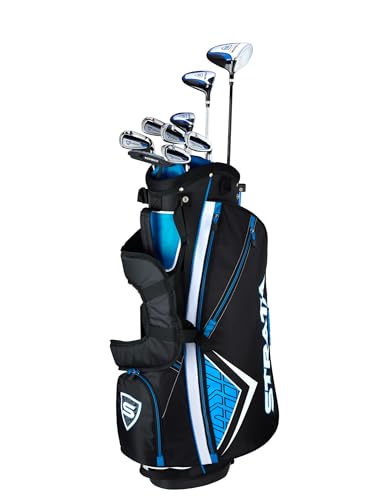


![PGF Labs Men's BD-77 Complete Golf Club Package Set [14-Pieces][Flex: Regular] [Hand: Right] [Length: Standard]](https://m.media-amazon.com/images/I/51BmW4rGzCL._SL500_.jpg)
