
Golf Injury Recovery: From Pain to the Fairway
Heal faster, rebuild strength, and return to golf with confidence using our complete injury recovery roadmap.
START YOUR RECOVERYA golf injury doesn’t have to bench you forever. Whether you’re dealing with lower back strain, golfer’s elbow, a rotator cuff tweak, or a knee issue, the right recovery plan puts you back in the tee box safely. This guide covers everything from immediate care and professional rehab to the best recovery tools and training aids that ease your transition back to full swings.
Common Golf Injuries & Their Causes
Golf may be low‑impact, but the repetitive rotational forces and poor mechanics often lead to overuse injuries. Knowing what you’re dealing with is the first step toward a proper comeback.
- Lower Back Pain – often caused by excessive spinal twisting and weak core muscles. Our dedicated back care guide shows you how to relieve pressure and build supportive strength.
- Golfer’s Elbow (Medial Epicondylitis) – result of overgripping and repetitive wrist flexion. Specific elbow & wrist care exercises accelerate healing and prevent recurrence.
- Shoulder Impingement / Rotator Cuff Strain – linked to poor posture during the backswing. Address it early with shoulder mobility drills and graduated strengthening.
- Knee Pain – often from excessive torque during the follow‑through. Learn protective techniques in our knee protection guide.
- Wrist & Hand Injuries – common after fat shots or hitting from hard lies. Recovery involves rest, bracing, and then progressive reintroduction of proper club selection.
The 4‑Phase Recovery Framework
Jumping back too early risks re‑injury. Follow these evidence‑based phases for a lasting recovery.
1. Acute Care & Diagnosis
Immediately after injury, follow the R.I.C.E. protocol (Rest, Ice, Compression, Elevation) for the first 48–72 hours. Consult a physical therapist or sports medicine doctor to get an accurate diagnosis. Using supportive gear like compression sleeves or braces (see our recommended golf gloves with wrist support features) can stabilize the joint during this stage.
2. Gentle Mobility & Pain‑Free Movement
Once acute pain subsides, introduce gentle range‑of‑motion exercises. A dynamic warm‑up routine modified for recovery maintains blood flow without stress. For back injuries, gentle hip mobility work relieves compensatory tension. Consistency matters—even 10 minutes daily makes a difference.
3. Strength Rebuilding & Stability
This phase focuses on the muscles that protect the injured area. For back recovery, incorporate core training for golf that targets deep stabilizers. For elbow and shoulder issues, resistance training with light bands rebuilds tendon capacity. Many players also benefit from golf‑specific strength programs that address full‑body imbalances.
4. Gradual Return to Play
Start with chipping and putting before full swings. A structured pre‑round warmup becomes non‑negotiable. When you do return to the course, consider playing from forward tees initially and using game improvement irons that reduce stress on the body. Integrating a mindful pre‑shot routine also prevents rushing into aggressive swings.
Essential Recovery Gear for Golfers
The right tools speed up tissue healing and help you maintain swing feel without overloading sensitive areas. The products below are handpicked to support each recovery phase—explore our selection to find what fits your needs.
Recommended Injury Recovery Equipment
⚠️ AFFILIATE DISCLOSURE: This website contains affiliate links. As an Amazon Associate, we earn from qualifying purchases. If you make a purchase through these links, we may receive a small commission at no additional cost to you. Read our full affiliate policy.

Pure Therapro Rx Acute Injury Tendon & Ligament Support, 90 Capsules | Once-Daily Capsule, Supports Movement & Physical Function, For Men & Women, Made in USA, 90 Servings

YANSYI Professional 9-Roller Deep Tissue Massage Stick - Portable Muscle Recovery Roller for Athletes, Relieves Post-Workout Soreness & Leg/Back Pain - Portable Physio Tool (Blue 1)

VitaMedica Arnica Montana 30X Rapid Dissolve Tablets - 30 Ct | Natural Pain, Bruising & Swelling Support - Homeopathic Injury & Surgery Recovery - 10 Servings

FlexiKold Gel Soft Flexible Ice Packs for Injuries - Reusable Freezer Cold Pack, Cold Compress & Cooling Gel Pad for Face, Shoulder, Hip, Leg, Arm, Ankle & Foot Injury - Medium - 7.5” x 11”
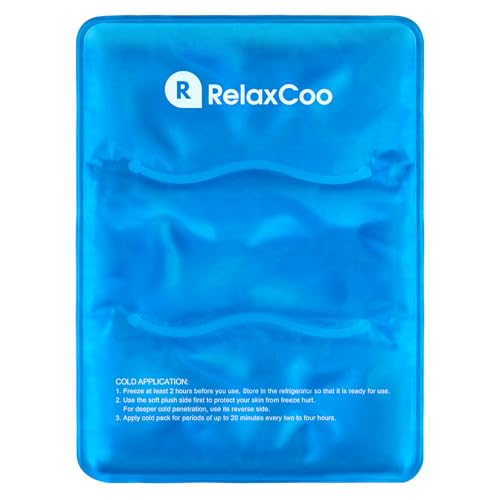
RelaxCoo 11x14.5 Large Flexible Ice Pack for Injuries Reusable Gel, Cold Compress for Hip, Shoulder, Knee, Back Pain, Swelling, Bruises, Surgery
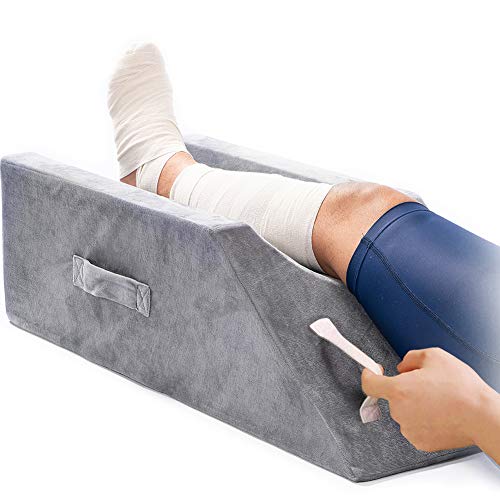
LightEase Memory Foam Leg Support and Elevation Pillow for After Surgery | Dual Handles, Elevates Feet, Knees & Ankles for Recovery, Injury, Swelling or Rest, Washable Cover, Single Leg

Boiron Arnica Montana 30C Homeopathic Medicine for Relief from Muscle Pain, Muscle Stiffness, Swelling from Injury, and Discoloration from Bruises - 3 Count (240 Pellets)

AiricePac Ice Pack for Knee Pain Relief, Reusable Gel Ice Wrap for Injuries, Swelling, Knee Replacement Surgery, Cold Compress Therapy for Arthritis, Meniscus Tear and ACL, Blue
Fuel Your Recovery: Nutrition & Hydration
What you eat directly influences tissue repair and inflammation. Prioritize:
- Protein – for muscle and tendon rebuilding. Include lean meats, fish, eggs, or plant‑based sources in every meal.
- Anti‑inflammatory foods – berries, fatty fish (rich in omega‑3), turmeric, and leafy greens help reduce swelling.
- Hydration – dehydrated tissues heal slower. Our golf hydration guide outlines how much to drink and when.
- Timing – a balanced pre‑round meal can also serve as a recovery meal when practice sessions replace actual play.
Some golfers also find that targeted supplements for golf —like collagen, vitamin D, and magnesium—support joint and connective tissue health, but always consult your doctor first.
Stay Mentally Sharp While Healing
Injury can shake your confidence. Use downtime to work on the mental game:
- Visualization – mentally rehearse smooth, balanced swings. See our visualization techniques for guided routines.
- Focus & Patience – practice focus drills that keep you engaged and prevent frustration.
- Stress Management – recovery can be mentally taxing. Explore stress management strategies to stay positive.
- Confidence Building – once cleared to play, start with short sessions that rebuild confidence before tackling a full round.
Pro Tip: Even after recovery, a daily golf stretching routine and periodic balance training significantly reduce re‑injury risk. Treat your body like a high‑performance machine—maintain it year‑round.
Injury Prevention: Stay on the Course for Good
Use the lessons from your recovery to build a resilient body. Consider incorporating these habits:
- Warm up dynamically with golf flexibility exercises before every range session or round.
- Strengthen your entire kinetic chain with bodyweight exercises designed for golf.
- Improve swing mechanics to reduce joint strain—start with our swing fundamentals.
- Use alignment sticks and training grips to groove a repeatable, body‑friendly motion.
- Listen to your body; if you feel tightness, back off and perform a proper warm‑up or recovery session instead of pushing through.
Ready to rebuild? Browse our recommended recovery gear below and take the first step toward pain‑free golf.
VIEW RECOVERY ESSENTIALS