Welcome to Golf: Your Journey Begins Here
Golf is one of the most rewarding sports you can take up. It combines physical skill with mental strategy, offers a lifetime of learning, and provides an opportunity to enjoy the outdoors while building lasting friendships. But for beginners, golf can also seem intimidating, with its unique terminology, complex rules, and seemingly endless equipment choices.
That's where we come in. This comprehensive guide will walk you through everything you need to know to get started in golf. We'll cover the basics of the game, help you choose your first equipment, teach you proper etiquette, and give you the confidence to step onto a golf course and enjoy the game.

The Journey of a Lifetime: Golf is a sport where you can start at any age and continue playing for life. Whether you're 8 or 80, golf offers challenges, camaraderie, and the satisfaction of continuous improvement. The journey is as rewarding as the destination.
Why Golf? The Benefits of Taking Up the Game
Before we dive into the practical aspects, let's explore why golf is such a fantastic activity:
- Physical Activity: Walking an 18-hole course covers approximately 4-6 miles, providing excellent cardiovascular exercise.
- Mental Challenge: Golf requires strategy, focus, and problem-solving skills that keep your mind sharp.
- Social Connection: Golf is a social sport that allows you to spend quality time with friends, family, or meet new people.
- Lifelong Learning: There's always something new to learn or improve, from swing mechanics to course management.
- Outdoor Enjoyment: Golf courses are typically set in beautiful, well-maintained environments.
- Stress Relief: The combination of exercise, fresh air, and focus can be incredibly therapeutic.
Getting Started: Your Step-by-Step Guide
Learn the Basics
Understand the game, its terminology, and what you need to get started
Get Equipment
Choose your first set of clubs, balls, and essential accessories
Take Lessons
Work with a professional to build a solid foundation for your swing
Practice Properly
Develop effective practice habits to accelerate your improvement
Learn Etiquette
Understand the rules and unwritten rules of golf that make the game enjoyable
Play Your First Round
Apply everything you've learned and enjoy your first experience on the course
Understanding Golf: The Basics

Before you step onto a course, it's helpful to understand some fundamentals:
What is Golf?
Golf is a sport where players use specialized clubs to hit a small ball into a series of holes on a course using the fewest number of strokes possible. A standard golf course has 18 holes, though many courses also offer 9-hole options for beginners.
Key Golf Terminology for Beginners
- Tee Box: The starting point for each hole where you hit your first shot.
- Fairway: The closely mown area between the tee and the green.
- Green: The smooth, short-grass area surrounding the hole where you use a putter.
- Rough: The longer grass areas on either side of the fairway.
- Bunker: A sand-filled hazard on the course.
- Par: The number of strokes a skilled golfer is expected to take to complete a hole.
- Handicap: A system that allows players of different skill levels to compete fairly.
- Stroke: A single swing of the club that counts toward your score.
- Birdie: Scoring one under par on a hole.
- Bogey: Scoring one over par on a hole.
Beginner Tip: Don't worry if you don't remember all the terminology right away. You'll pick it up naturally as you play and interact with other golfers. The key is to enjoy the learning process.
Choosing Your First Golf Clubs
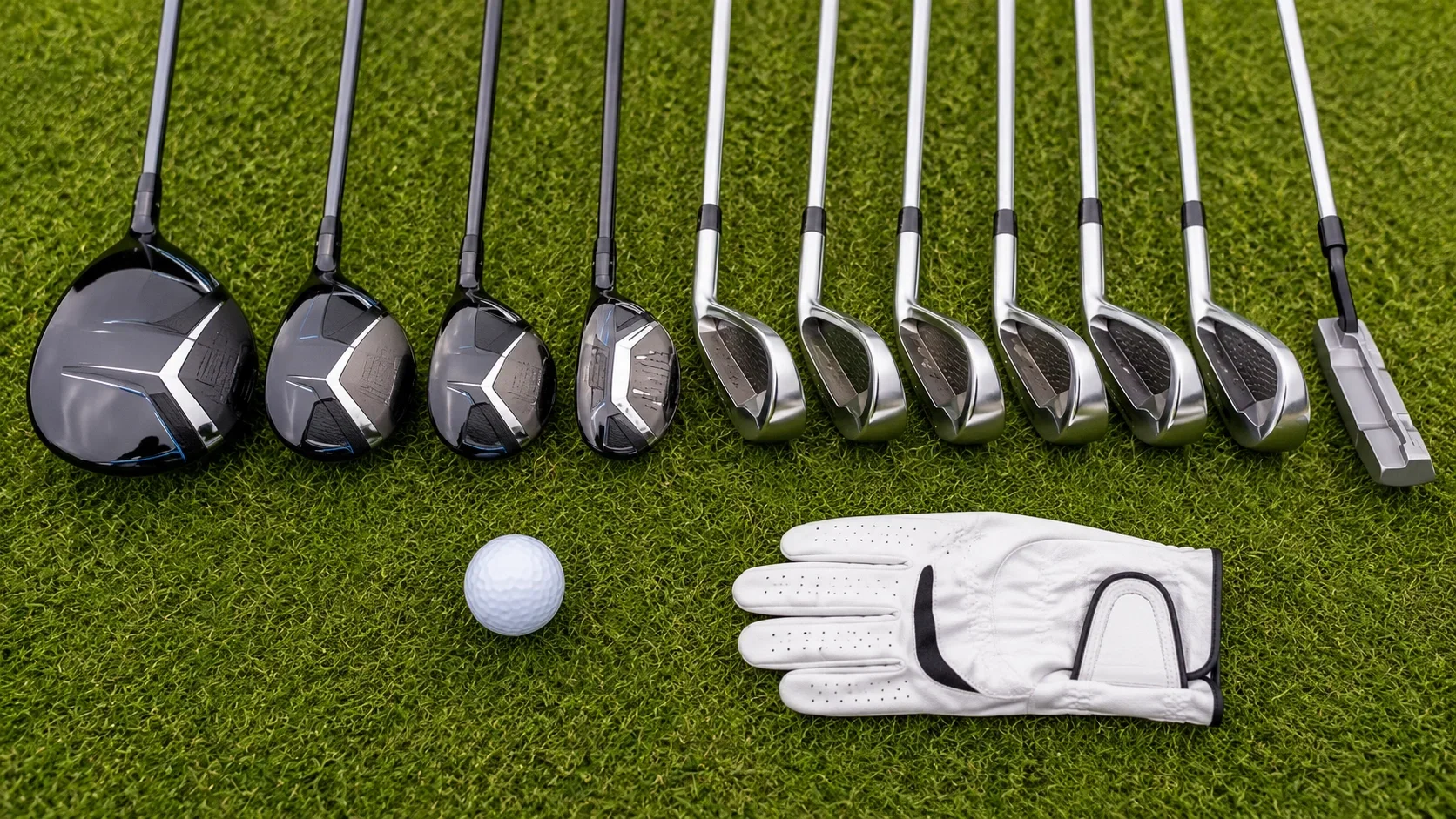
One of the most exciting (and potentially confusing) steps for beginners is choosing your first set of clubs. Here's what you need to know:
Do You Need a Full Set?
As a beginner, you don't need a full set of 14 clubs. In fact, starting with fewer clubs can actually help you learn faster by simplifying your choices and helping you focus on mastering a few clubs rather than being overwhelmed by many.
What Clubs Do You Need as a Beginner?
- Driver: Used for tee shots on par-4 and par-5 holes. A beginner-friendly driver typically has more loft (10.5-12 degrees) and a larger, more forgiving head.
- Fairway Wood (3-wood or 5-wood): Easier to hit than a driver, useful for long shots from the fairway or off the tee.
- Hybrid: A cross between a wood and an iron, hybrids are the most beginner-friendly clubs. They are easier to hit than long irons and can be used from various lies. A 4-hybrid (around 22 degrees) is an excellent choice for beginners.
- Irons (7, 8, 9): These are the most commonly used irons. A 7-iron is often considered the most versatile and is a great club to start with.
- Pitching Wedge (PW): Used for approach shots from 80-120 yards and for chipping around the green.
- Sand Wedge (SW): Used for bunker shots and approach shots from 60-80 yards.
- Putter: Used on the green to roll the ball into the hole. Best putters for beginners are typically face-balanced mallets.
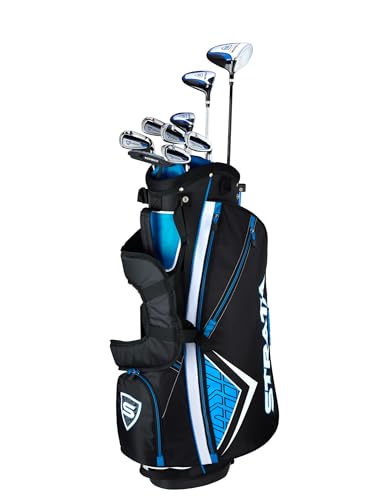
Recommendation: Most beginners are best served by purchasing a complete club set designed specifically for beginners. These sets come with the clubs you need, often at a fraction of the cost of buying clubs individually. Look for sets with larger, more forgiving clubheads and lightweight graphite shafts. Our guide to the best beginner club sets can help you make an informed decision.
Other Essential Gear
- Golf Balls: As a beginner, you don't need expensive premium balls. Opt for distance golf balls or practice balls that are more affordable and forgiving. Best golf balls for beginners offer a good balance of performance and value.
- Golf Gloves: A glove provides grip and prevents blisters. Most players wear a glove on their top hand (left hand for right-handed golfers). Best gloves for beginners should fit snugly and provide good grip.
- Golf Shoes: Proper footwear provides stability and comfort during your swing. Spikeless golf shoes are versatile and comfortable for beginners.
- Golf Bag: You'll need a bag to carry your clubs. Stand bags are popular for beginners as they're lightweight and easy to carry.
- Golf Tees: Used to elevate the ball on tee shots.
- Golf Towel: Keep your clubs and hands clean and dry.
Should You Rent or Buy?
If you're just starting out, consider renting clubs at a driving range or golf course for your first few sessions. This allows you to test the sport before investing in equipment. Once you're committed, purchasing a beginner-friendly set is the most cost-effective approach.
✔️ Beginner Equipment Checklist
- Driver (10.5-12° loft, forgiving head)
- Fairway Wood (5-wood recommended)
- Hybrid (4-hybrid is ideal)
- Irons (7, 8, 9, PW)
- Sand Wedge
- Putter
- Golf Bag (lightweight stand bag)
- Golf Balls (distance or practice balls)
- Golf Glove
- Golf Shoes (spikeless recommended)
Taking Your First Golf Lessons
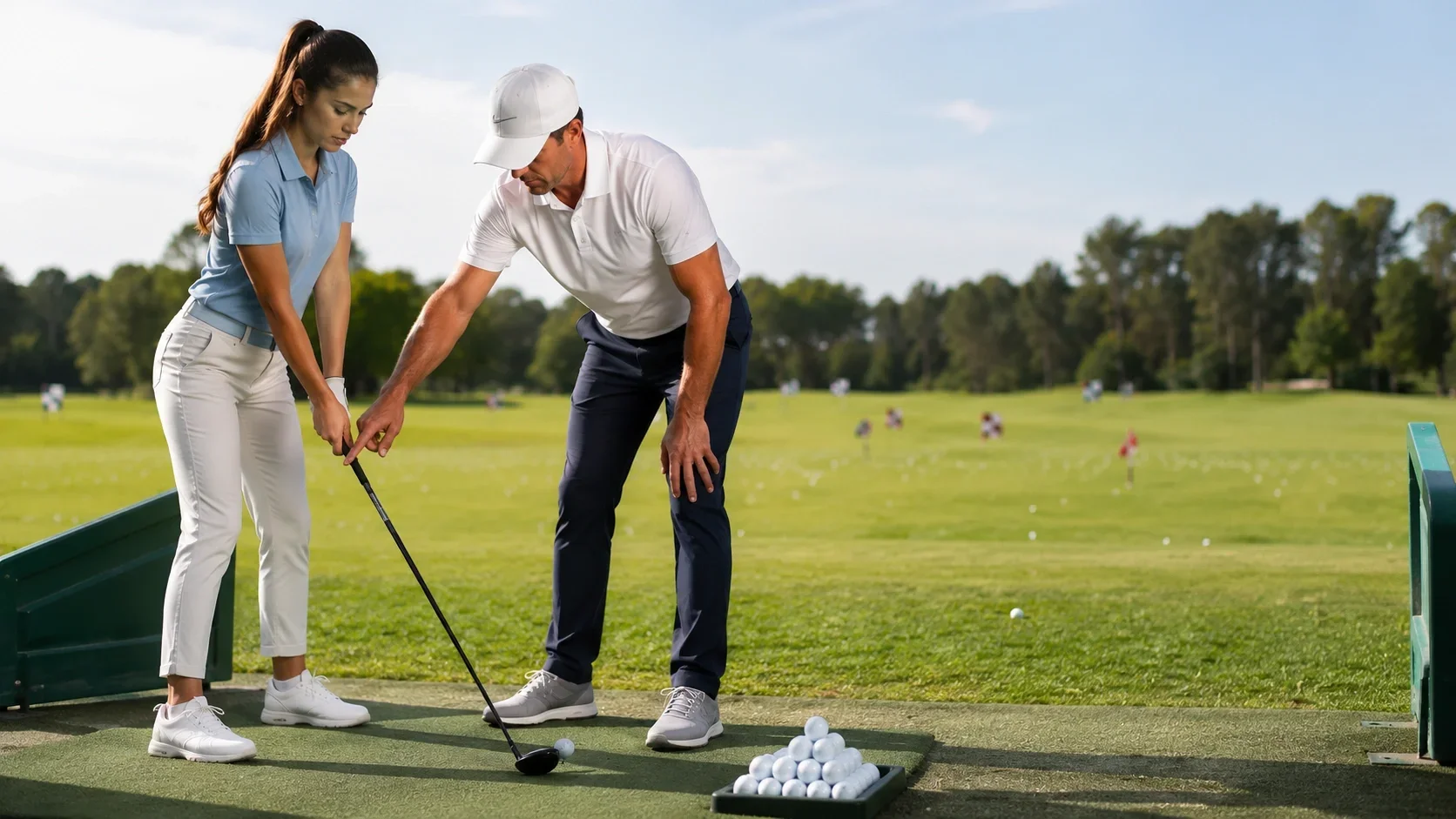
One of the most important investments you can make as a beginner is taking professional golf lessons. A qualified instructor can:
- Build a Solid Foundation: They'll teach you the correct grip, stance, posture, and swing fundamentals.
- Prevent Bad Habits: It's much easier to learn correctly from the start than to correct bad habits later.
- Accelerate Your Learning: Professional instruction can significantly speed up your progress.
- Provide Personalized Guidance: Your instructor can tailor their teaching to your individual strengths and needs.
Look for a PGA professional at your local driving range or golf course. Many offer beginner packages that include several lessons at a discounted rate. Find a qualified golf instructor near you.
First Lesson Tips: Before your first lesson, consider watching some basic golf instruction videos online to familiarize yourself with terminology. Come with an open mind and be prepared to start with simple, fundamental movements. Trust your instructor's guidance, and don't be discouraged if it feels awkward at first.
How to Practice Effectively as a Beginner

Practice is essential to improvement, but how you practice matters as much as how much you practice. Here are some tips for effective practice:
Start at the Driving Range
The driving range is the best place to learn and practice your swing. Here's how to make the most of it:
- Start with Wedges: Begin each session by warming up with short wedge shots. This helps you develop feel and control.
- Work Your Way Up: Progress from wedges to short irons, then long irons, hybrids, and finally woods and driver.
- Practice with Purpose: Focus on specific aspects of your swing rather than mindlessly hitting balls. Work on one area at a time.
- Use Targets: Aim at specific targets to develop accuracy, not just distance.
- Take Your Time: Don't rush through your bucket of balls. Take time between swings to assess what you're doing.
Practice Your Short Game
The short game (putting, chipping, and pitching) is where you can make the fastest improvements in your scores. Dedicate significant practice time to:
- Putting: Practice from various distances and angles. Work on speed control and alignment.
- Chipping: Learn to get the ball on the green from just off it. Use different clubs to vary trajectory and roll.
- Pitching: Practice shots from 20-60 yards with different clubs.
- Bunker Play: Don't avoid bunker practice. Learning to get out of bunkers confidently will save you strokes.
Practice Equipment for Beginners
Consider investing in some practice aids for home use:
- Putting Mats: Great for practicing your putting stroke indoors.
- Practice Nets: Safe for hitting balls in your backyard with foam or limited-flight balls.
- Alignment Sticks: Useful for working on your alignment and swing path.
- Swing Tempo Trainers: Help develop a smooth, consistent tempo.
Understanding Golf Etiquette and Rules
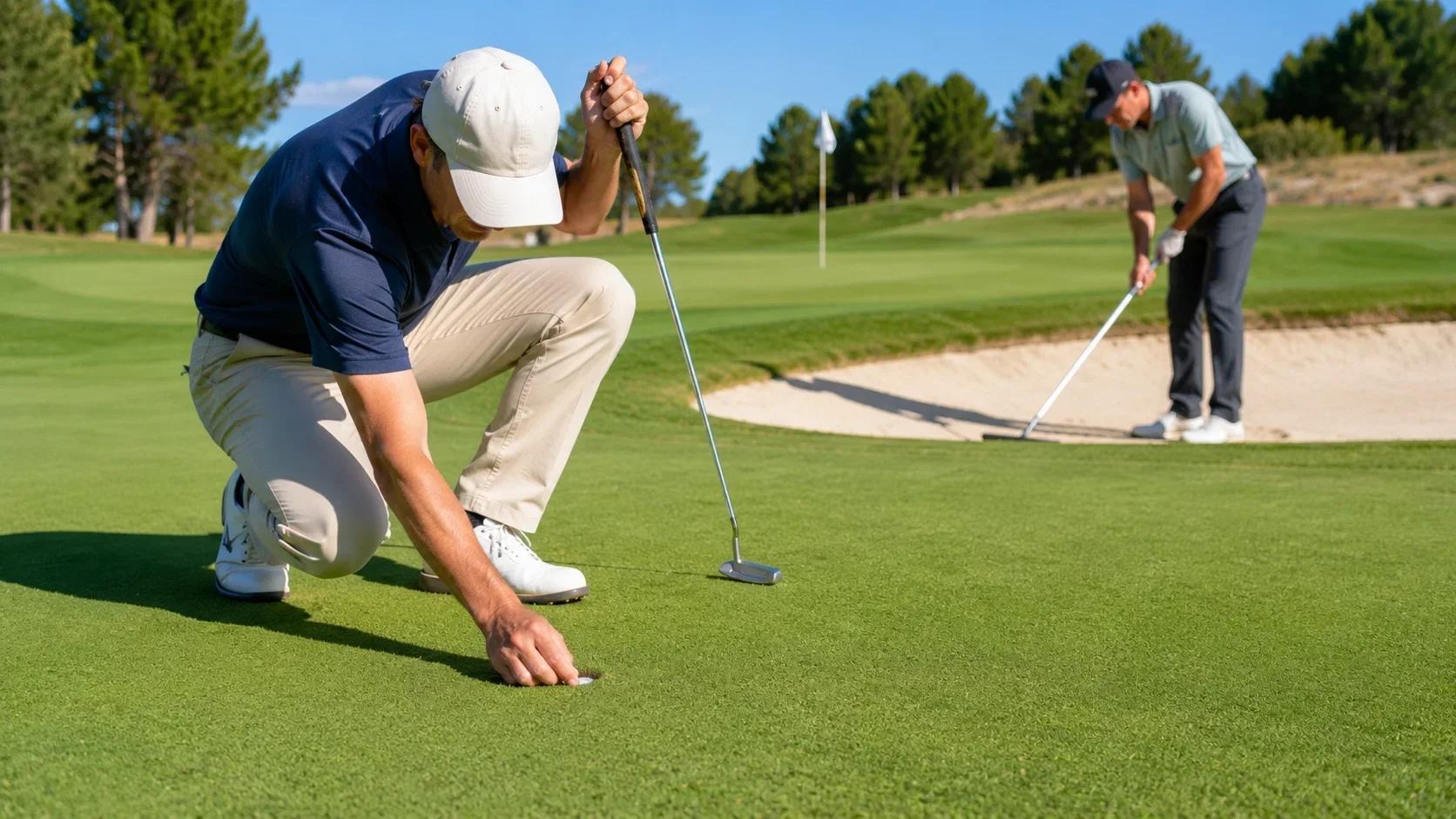
Golf is a game built on respect—for the course, for other players, and for the traditions of the game. Understanding and following etiquette will help you feel more comfortable and welcomed on the course.
Essential Golf Etiquette for Beginners
- Safety First: Never swing your club when someone is close to you. Always look around before making a practice swing.
- Ready Golf: Hit when ready, as long as it's safe and doesn't disturb other groups. This helps maintain a good pace of play.
- Pace of Play: Keep up with the group ahead of you. If you're falling behind, let faster groups play through.
- Quiet Please: Remain still and quiet when other players are addressing the ball and making their shots.
- Repair Ball Marks: When your ball lands on the green, repair any pitch marks you make.
- Replace Divots: If you take a divot on the fairway, replace it and press it down with your foot.
- Rake Bunkers: After playing a shot from a bunker, use the rake to smooth the sand.
- Respect the Course: Treat the course with care. Avoid unnecessary damage to the turf, greens, and surrounding areas.
- Be a Good Sport: Be gracious, whether you're having a good round or a challenging one. Celebrate others' good shots.
Basic Golf Rules for Beginners
While golf has a comprehensive set of rules, here are the essentials you need to know to get started:
- Play the Ball as It Lies: Except in specific situations, you must play the ball where it comes to rest.
- Don't Move the Ball: You cannot move, bend, or break anything to improve your lie, except as allowed by the rules.
- Out of Bounds: If you hit your ball out of bounds, you must add a penalty stroke and replay the shot from your previous position.
- Lost Ball: If you lose your ball, you have three minutes to find it. If not found, you must add a penalty stroke and replay from your previous position.
- Unplayable Lie: You can declare your ball unplayable anywhere on the course (except in a penalty area). You have options to drop the ball under penalty.
- Count Every Stroke: Count every swing, including whiffs and practice swings that accidentally contact the ball.
- Penalty Areas (Water Hazards): If your ball goes into a water hazard, you may drop from the hazard edge under penalty or replay your shot.
Learn more about golf rules for beginners to build your confidence on the course.
Beginner's Rule: If you're unsure about a rule, it's always acceptable to play a second ball and sort it out later. The most important thing is to keep the game moving and have fun. Learn about the handicap system for more context.
Playing Your First Round of Golf

After some practice and possibly a lesson or two, you're ready to play your first round of golf. Here are some tips to make it a positive experience:
- Choose a Beginner-Friendly Course: Look for courses with 9 holes, executive courses, or municipal courses that are more welcoming to new players. Find beginner-friendly courses near you.
- Play at Off-Peak Times: Weekday afternoons or twilight hours are often less crowded, reducing pressure and allowing you to take your time.
- Play with Experienced Golfers: If possible, play with friends who are more experienced. They can guide you through the course and help with rules and etiquette.
- Don't Keep Score (Yet): For your first few rounds, focus on the experience rather than your score. Simply count your total strokes if you want, but don't stress about the number.
- Take Your Time But Keep Pace: Play at a comfortable pace, but be aware of the group behind you. If you're falling behind, it's okay to pick up your ball and move to the next hole.
- Use the Right Tees: Play from the forward tees (closest to the hole) as a beginner. This makes the course shorter and more manageable.
- Enjoy the Experience: Remember that everyone started as a beginner. Enjoy the scenery, the fresh air, and the company you're with.
- Set Realistic Expectations: Your first round won't be perfect, and that's perfectly fine. You might not hit many good shots, but you'll learn a lot.
First Round Advice: Your goal for your first round should be to enjoy the experience, learn about the flow of a round, and identify areas to work on in practice. Every shot is a learning opportunity. Don't compare yourself to more experienced players—golf is a personal journey.
Resources to Continue Your Golf Journey
Once you've started, there's always more to learn. Here are some resources to help you continue improving:
- Swing Fundamentals: Build a strong foundation with proper technique.
- Driver Swing Tips: Maximize distance and accuracy off the tee.
- Iron Swing Tips: Improve your approach shots to the green.
- Wedge Swing Tips: Master your short game shots.
- Putting Tips: Sink more putts and lower your scores.
- Distance Improvement: Add power to your game.
- Course Navigation: Learn strategy and club selection.
- Golf Fitness: Improve your physical conditioning for better performance.
Common Questions from Beginner Golfers
How long does it take to learn golf?
Golf is a lifelong learning sport. You can learn the basics in a few weeks, but continuous improvement is part of the journey. With consistent practice and lessons, most beginners can play a course comfortably within 2-3 months.
What is a good score for a beginner golfer?
A beginner should aim to complete a hole in double bogey (two over par) or better. On a par-72 course, a score under 120 is a reasonable initial goal. More importantly, focus on enjoying the game and gradually improving.
Should I buy new or used clubs?
As a beginner, used clubs can be an excellent option. Look for clubs that are 2-3 years old in good condition. Many golf shops sell used clubs that were traded in. Best second-hand clubs for beginners can help you find quality equipment at affordable prices.
How often should I practice?
Consistency is more important than quantity. Practicing 2-3 times per week for 30-45 minutes is better than one long session per week. Focus on quality practice with specific goals.
Can I teach myself golf?
While it's possible to learn the basics from online resources, we strongly recommend taking at least a few lessons from a professional. Proper technique early on will set you up for success and prevent bad habits. Swing plane trainers and training aids can complement your instruction.
Final Thought: Every professional golfer was once a beginner. The journey is what makes golf so special—the continuous learning, the camaraderie, and the joy of hitting that one perfect shot that keeps you coming back. Welcome to the game, and enjoy every step of your journey.

![PGF Men's Gold TP Complete Golf Club Package Set [11-Pieces] [Hand: Right] [Length: Standard]](https://m.media-amazon.com/images/I/51wyIJhWbAL._SL500_.jpg)

![PGF Labs Men's BD-77 Complete Golf Club Package Set [14-Pieces][Flex: Regular] [Hand: Right] [Length: Standard]](https://m.media-amazon.com/images/I/51BmW4rGzCL._SL500_.jpg)