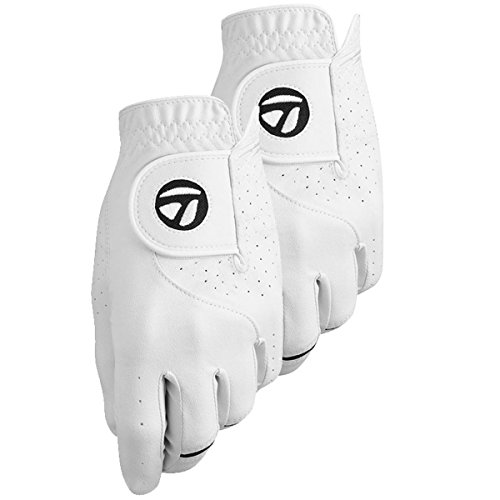
Best Golf Gloves for Beginners: Top Picks for Grip and Comfort
Starting out in golf? A quality glove improves grip, prevents blisters, and builds confidence. We’ve tested and selected the best beginner‑friendly gloves to help you focus on your swing, not your hands.
Browse All Golf GlovesWhy a Good Glove Matters for New Golfers
Your hands are the only contact point with the club, so a secure, comfortable grip is essential – especially when you’re still ingraining proper swing fundamentals. A beginner golf glove reduces the chance of the club twisting during the swing, prevents painful blisters on longer range sessions, and absorbs sweat in warm weather. For anyone getting started in golf, a glove is a small investment that pays off instantly in confidence and control.
What to Look for in a Beginner Golf Glove
- Material: Cabretta leather offers the best feel and grip, while synthetic gloves are more durable and affordable – great for beginners who may wear through gloves quickly. Many entry‑level gloves combine a leather palm with synthetic back for a balance of performance and value.
- Fit: A glove should fit like a second skin – snug across the palm and fingers with no excess material at the tips. Most brands offer cadet sizes for shorter fingers and wider palms.
- Breathability: Look for perforated fingers or moisture‑wicking fabrics to keep your hand cool and dry.
- Durability: Beginners often grip too tightly, which accelerates wear. A reinforced palm patch or double‑stitched seams can extend the life of the glove.
- Price: You don’t need to spend a fortune. Quality beginner gloves range from $10–$25, and buying a two‑pack is even better value. You can explore more golf gear essentials in our complete guide.
Types of Golf Gloves to Know
Standard all‑weather gloves work for most conditions. If you play in wet climates, consider a rain glove that actually grips better when damp. Winter gloves provide warmth without sacrificing feel. All of these options fall under our golf apparel category, where you’ll find gloves for every season.
How to Find the Right Fit
Measure the circumference of your hand just below the knuckles (excluding the thumb) and consult the manufacturer’s size chart. The glove should feel tight when new but will stretch slightly with use. If you’re between sizes, go smaller – a loose glove causes blisters. Left‑handed players, remember to select a glove worn on the right hand; you can find dedicated options in our guide to right‑handed golf gloves for left‑handed golfers. For even more details, visit our main golf gloves overview.
Our Favorite Beginner Gloves at a Glance
Below we’ve curated a selection of highly‑rated golf gloves perfect for new players. Each delivers exceptional grip, soft feel, and durability – all at a beginner‑friendly price. Click any product to check the latest price and read full reviews.
Glove Care Tips to Extend Life
- Rotate between two gloves so each has time to dry out between rounds.
- After play, wipe the glove with a damp golf towel and let it air‑dry naturally – never use a dryer or heater.
- Store gloves flat or gently folded; avoid crumpling them in your bag.
- Keep an extra glove in your bag for sweaty or rainy days.
Frequently Asked Questions
Do I really need a golf glove as a beginner? Yes – a glove helps you maintain a light, consistent grip pressure and prevents the club from slipping, which is especially helpful while you’re learning.
Should I wear a glove on both hands? Most golfers wear a glove only on their lead hand (left hand for right‑handed players). Wearing two is rare and typically reserved for wet weather.
How many gloves should a beginner buy? Start with at least two – one to wear and one as a backup. Once you settle on a favorite, you can stock up.