Driver Swing Tips: Master Power, Accuracy & Consistency Off the Tee
Unlock your longest, straightest drives with proven techniques, setup fundamentals, and expert drills designed for golfers of all levels.
Explore Driver Fitting GuideDriver Swing Philosophy: The driver is the most exciting—and often the most frustrating—club in the bag. Mastering it isn’t just about swinging harder; it’s about understanding the unique setup, swing path, and equipment factors that turn a wild tee shot into a reliable weapon. Whether you’re chasing extra yards or tighter dispersion, the right fundamentals make all the difference.
Driver Setup Fundamentals
Everything starts before you take the club back. Because the driver is the longest club and the ball is teed up high, your setup must adjust accordingly. A solid foundation creates the room you need to swing freely and deliver the club on plane.
- Grip: Hold the club in your fingers, not the palm, with a neutral to slightly strong lead hand. This encourages a square face at impact. For more on grip basics, visit our swing fundamentals guide.
- Stance width: Place your feet slightly wider than shoulder‑width. A wider base gives you the stability to generate speed without losing balance.
- Ball position: Position the ball just inside your lead heel. This promotes an upward angle of attack—critical for maximizing distance with modern drivers.
- Spine tilt: Tilt your upper body slightly away from the target. This secondary tilt helps you stay behind the ball and launch it higher with less spin.
- Alignment: Your feet, hips, and shoulders should be parallel to the target line. Use alignment sticks during practice to ingrain this setup.
The Driver Swing Sequence
The driver swing isn’t fundamentally different from an iron swing, but the longer shaft and tee height demand a shallower, more sweeping motion. Understanding each phase removes guesswork and builds consistency.
Takeaway: Keep the clubhead low and wide. A smooth, one‑piece move with the shoulders sets the correct plane. Avoid rolling the hands early—this is a leading cause of a slice. Tools like a swing plane trainer can give you instant feedback.
Backswing: Turn your shoulders fully until your back faces the target. The driver swing is longer than an iron swing, but don’t sacrifice width for length. A wider arc stores more power. Incorporating golf flexibility exercises into your routine helps you make a full turn without strain.
Transition & Downswing: Start with your lower body. Shift your weight to the lead side while keeping your back to the target for a split second—this “lag” generates effortless speed. The club shallows automatically when the sequence is correct. If you tend to come over the top, a swing tempo trainer can help you find the right rhythm.
Impact: Strike the ball with a slightly ascending blow. Your head stays behind the ball, hips are open, and the shaft leans away from the target (not forward like an iron). This combination delivers high launch and low spin—the recipe for maximum distance improvement.
Follow‑through: Let the momentum carry you to a full, balanced finish. Your belt buckle faces the target, and your weight is firmly on the lead foot. A balanced finish tells you the swing was under control.
Common Driver Faults & How to Fix Them
Even small errors get magnified with a driver. Here are the most frequent problems and simple corrections that work on the course.
- Slice (open face / over‑the‑top): Strengthen your grip slightly and feel like your back stays toward the target longer. Practice with an impact bag to learn a square face. You can also explore our guide on shot shaping to intentionally work the ball.
- Hook (closed face / inside‑out path): Weaken your grip a touch and focus on rotating your body through impact, rather than flipping the hands. A swing analyzer can reveal your exact path and face angle.
- Topping the ball: Usually caused by trying to lift the ball or standing up through impact. Maintain your spine angle and trust the loft of the club. Drills with a quality hitting mat help you groove low‑point control.
- Sky marks (hitting under the ball): Tee the ball so only half the ball is above the crown, and ensure your weight doesn’t hang back excessively. A forward weight shift is key.
Drills to Groove a Consistent Driver Swing
Repetition builds trust, but only if you’re repeating the right motion. These proven drills accelerate the learning curve.
- Alignment Stick Gate: Place two alignment sticks on the ground—one along your target line and one perpendicular to show ball position. Hit balls without disturbing the sticks. It sharpens path and contact.
- Towel Under Lead Arm: Tuck a towel under your lead armpit and make smooth swings. If the towel drops, you’re disconnecting, which leads to inconsistent strikes.
- Feet‑Together Drill: Hit drivers with your feet together. It forces better balance, rhythm, and a centered turn. Once you spread your feet again, the swing feels effortless and connected.
- Swing Plane Drill with an Impact Bag: Set an impact bag just outside the target line and make slow swings, brushing the bag. It teaches an inside‑out path and prevents the over‑the‑top move.
- Tempo Training: Count “one‑and‑two” through your swing. A swing tempo trainer or even a metronome app can lock in a repeatable rhythm. Smooth tempo generates more speed than brute force.
- Weighted Club Swings: Using weighted clubs builds strength and ingrains the proper sequence. Start with slow, controlled swings and gradually increase speed.
Fitness & Flexibility for a Powerful Driver Swing
A mechanically sound swing needs the physical tools to back it up. Adding a few golf‑specific exercises to your weekly routine pays huge dividends off the tee.
- Rotational mobility: The driver demands a big turn. Exercises that target hip mobility and thoracic spine rotation unlock extra coil without stress.
- Core stability: A strong midsection transfers energy from the ground to the club. Focus on core training moves like planks, cable rotations, and medicine ball throws.
- Strength & power: Build fast‑twitch fibers with golf‑specific strength training. Lateral bounds, rotational jumps, and resisted swings teach the body to move explosively.
- Dynamic warm‑up: Never hit drivers cold. A 5‑minute pre‑round warmup that includes leg swings, torso twists, and light resistance band work prepares your body for full‑speed swings and protects your back.
Choosing the Right Driver & Shaft
Even the best swing suffers with ill‑fitting equipment. Modern drivers offer unprecedented adjustability and forgiveness—but only if they match your swing characteristics.
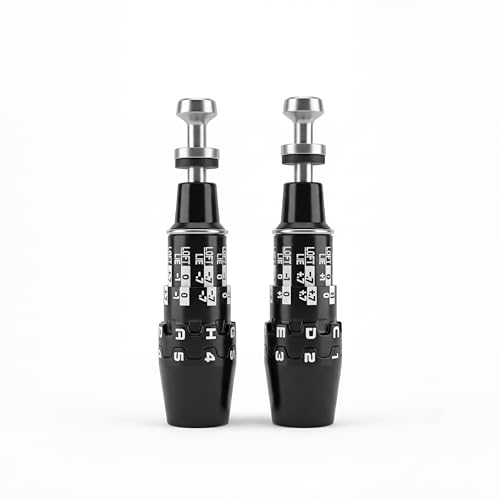
Start by understanding your launch conditions. High‑handicap players often benefit from a driver with more loft (10.5°–12°) and a draw‑bias design. Better players may prefer lower lofts and neutral weighting for workability. Today’s adjustable drivers let you tweak loft, lie, and weight distribution without buying a new club.
The shaft is the engine of the club. Selecting the correct flex, weight, and kick point changes launch, spin, and feel. Our shaft selection guide walks you through matching your swing speed to the right profile. If you’re serious about maximizing distance, a professional driver fitting is the fastest way to gain consistency. Fitters use launch monitors to dial in the exact combination that reduces your miss and adds yards.
For practice, a personal launch monitor gives you similar data on the range, while a practice net and mat let you drill fundamentals at home. Many golfers also combine swing work with golf simulators for immediate visual feedback.
Ready to take your tee shots to the next level? Start by integrating one setup change and one drill per range session. As the fundamentals become second nature, explore the equipment and training aids below—each selected to support a better, more powerful driver swing. From alignment sticks to launch monitors, the right tools make deliberate practice far more effective.