Cold Weather Golf: Essential Gear, Tips & Strategy for Winter Play
Don't let dropping temperatures keep you off the course. Discover the right clothing, equipment, and on‑course adjustments to stay warm, play comfortably, and even sharpen your skills during the colder months.
EXPLORE WINTER GOLF JACKETSCold Weather Advantage: Winter golf means fewer crowds, lower green fees, and a unique set of challenges that can make you a more well‑rounded player. With the right preparation, you can enjoy the game year‑round while many golf courses offer attractive off‑season rates.
Layer Like a Pro: The Foundation of Warmth
The secret to staying warm on the course isn't one bulky jacket—it's strategic layering. A proper three‑layer system traps heat, wicks moisture, and protects against wind and rain without restricting your swing.
- Base Layer: Start with a moisture‑wicking thermal top and leggings. Merino wool or synthetic blends keep you dry and insulate even when damp. Explore our detailed golf base layers guide for top picks.
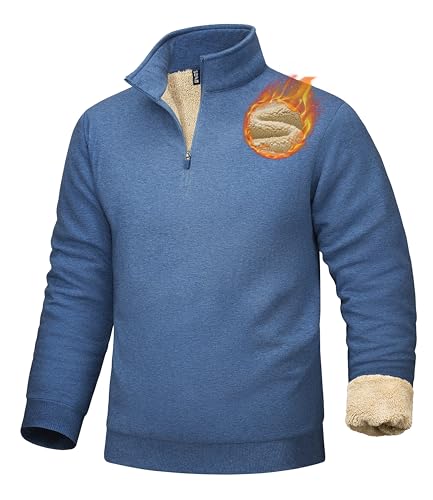
- Mid Layer: Add a fleece or insulated piece like a golf sweater or a lightweight golf vest. This traps body heat while allowing full arm mobility.
- Outer Layer: The final shell should be windproof and water‑resistant. A dedicated golf jacket or a versatile windbreaker will shield you from the elements without adding bulk. Look for adjustable cuffs, zippered pockets, and a high collar.
Don’t forget your lower body. Thermal‑lined waterproof pants or rain pants over your regular trousers keep legs warm and dry, especially during damp, early morning rounds.
Best Cold Weather Golf Clothing & Accessories
Investing in dedicated cold‑weather gear makes all the difference. Here’s what you need to stay comfortable when the mercury drops.
- Winter Golf Jackets: Modern insulated jackets use lightweight synthetic fill that moves with your swing. Expect to spend $150–$400 for a quality model. See our golf jackets roundup for the best options.
- Winter Gloves: Regular golf gloves won't cut it. Winter gloves feature thermal lining and a tacky palm for grip. Compare styles in our golf gloves guide—prices start around $25+.
- Headwear & Socks: A fleece‑lined beanie or golf hat prevents heat loss from your head. Pair with thick, moisture‑wicking golf socks to keep your feet warm and dry.
- Cart Protection: If you ride, a weather enclosure and a hand warmer pouch are game‑changers. Check golf cart accessories for enclosures and heated grips.
- Rain Gear: Cold and wet is a miserable combination. A quality rain jacket and rain suit will keep you dry and block wind chill.
Quick Tip: Carry an extra pair of dry gloves and a towel in your bag. Swap them at the turn if your hands get damp—cold fingers lose feel around the green.
Winter Golf Balls: How the Cold Affects Performance
Cold air is denser, which increases drag and reduces ball flight. At 40°F, you can lose 5–10 yards compared to a warm summer day. Golf balls also feel firmer because the materials stiffen, lowering compression and reducing energy transfer at impact.
The fix? Switch to a lower‑compression ball that stays softer in cold conditions. Soft feel balls compress more easily, helping you maintain distance and control. For even more help, explore our selection of low compression golf balls specifically designed for slower swing speeds—perfect when the cold saps your power. Many winter models cost $25–$35 per dozen and provide noticeably better feel than premium tour balls in chilly weather. If you still prioritize distance, a distance golf ball with a softer core can help bridge the gap.
Adjusting Your Swing for Cold Conditions
Bundled‑up muscles and restricted motion call for a few key adjustments. Adopt these changes to keep your game consistent when it’s cold.
- Club Up: The ball won’t travel as far, so take one more club than usual. For example, if you normally hit a 7‑iron from 150 yards, grab a 6‑iron. Our club selection guide can help refine this decision.
- Shorten Your Swing: A compact, controlled motion improves contact and reduces the risk of mishits. Focus on solid fundamentals from our swing fundamentals section.
- Prioritize Tempo: Cold muscles react slower. Use a swing tempo trainer to smooth out your rhythm and avoid rushing.
- Warm Up Properly: Never skip a pre‑round warmup that includes a dynamic warm‑up. Spend at least 10 minutes activating your back, shoulders, and hips—this prevents injury and unlocks your full range of motion.
Winter Practice & Indoor Training
When the course is frozen or snow‑covered, indoor practice keeps your game sharp. Building a home setup doesn’t have to be expensive.
- Hitting Net & Mat: A quality practice net and a durable hitting mat let you work on full swings in a garage or basement.
- Putting Green: A roll‑out putting mat with alignment lines is perfect for honing your stroke.
- Simulators & Launch Monitors: For the ultimate experience, a golf simulator combined with a personal launch monitor gives you real‑time feedback on distance, spin, and ball flight—just like being on the course.
- Flexibility & Strength: Maintain your body with daily golf stretching routines and flexibility exercises. Add core training to preserve swing speed and stability.
Stay Fit & Injury‑Free
Cold weather increases the risk of muscle strains and back injuries. A consistent golf fitness program that includes back care and elbow & wrist care exercises is essential. Hydration is just as important in winter—cold air dehydrates you faster than you think. Follow our hydration for golfers tips and keep a thermos of warm tea or water in your bag.
Ready to Conquer the Cold?
Winter golf is incredibly rewarding. You’ll face strategic challenges that improve your course management, and the peace of a quiet, frosty morning on the links is unforgettable. Equip yourself with the right clothing, gear, and knowledge below, and you’ll be ready for every round, no matter the temperature.