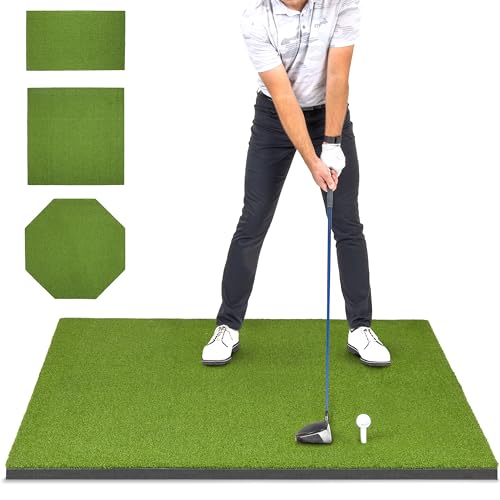
Golf Hitting Mats: Your Complete Guide to the Perfect Indoor Swing
Transform any space into a reliable practice zone. Learn what makes a great hitting mat, how to choose one, and why quality turf matters for your game.
VIEW TOP MATSWhy a dedicated hitting mat is a game changer: Whether you’re building a home practice setup or upgrading a garage simulator, the right mat protects your joints, provides realistic feedback, and lets you practice with purpose – rain or shine.
Why Invest in a Quality Hitting Mat?
Many golfers underestimate the difference a proper mat makes. Cheap, thin mats can lead to wrist and elbow pain, while a premium mat absorbs shock and mimics real turf interaction. A good mat also helps you trust your club’s interaction with the ground, which translates directly to the course.
If you’re worried about injuries, it’s equally important to look after your body off the mat – simple golf flexibility exercises and attention to golf back care will keep you swinging pain-free for years.
Types of Golf Hitting Mats Explained
Not all mats serve the same purpose. Understanding the differences will save you money and frustration.
Basic Practice Mats
Small, portable, and affordable (around $30–$100). Great for backyard use or warming up before a round. Best for casual practice with foam or limited-flight balls. Look for a dense nylon surface that won’t grab the club.
Simulator Mats
Designed to be used with a golf simulator setup. These mats ($200–$500+) have a tight-knit turf that works with launch monitors and often feature a cut-out for a tee holder. They prioritize realistic ball-first contact and shock absorption. See our best hitting mat for golf simulator roundup for top picks.
Stance Mats & Hitting Strips
A hitting strip provides a realistic fairway feel in a narrow format, while a full stance mat adds level footing. Many golfers combine a budget base mat with a high-end insert where the club meets the ground. This hybrid approach balances cost and feel.
Training & Swing Detection Mats
Mats with alignment guides or impact indicators (like a golf training mat for swing detection) give instant feedback on club path and strike quality. Excellent for drills and groove refinement.
5 Must-Check Features Before You Buy
Focus on these specs to avoid purchasing a mat that works against your swing:
- Turf Material & Density: Nylon is durable but can be grabby; polyethylene blends offer a smoother release. A dense, multi-layer construction prevents the club from bottoming out.
- Shock Absorption: A rubber or foam underlayment (5 mm or more) reduces joint stress. This is non-negotiable if you practice daily.
- Realistic Fairway Feel: The mat should let the club glide through impact without excessive bounce. Some mats simulate tight lies vs. fluffy rough.
- Size & Portability: Measure your space. A 3’ x 5’ mat fits most nets, while a 5’ x 5’ or larger is ideal for a full stance with a driver. Roll-up or foldable designs are easier to store.
- Simulator Compatibility: If using a launch monitor, ensure the mat doesn’t interfere with radar or optical tracking. Dedicated simulator mats have a consistent surface that doesn’t shift under load.
Hitting Mat vs. Driving Range Mat: What’s the Difference?
Commercial range mats are built for extreme durability and are often harder than what you’d want at home. A personal mat can be softer, more forgiving, and tailored to your practice goals. While a range mat might hide fat shots, a high-quality home mat – especially when paired with a golf practice net with hitting mat – gives you honest feedback so you can actually improve.
How to Choose the Right Mat for Your Space
Think about where you’ll use it most:
- Garage or Indoor Simulator: Prioritize a heavy, non-slip base and the right pile height for your launch monitor. Many simulator owners pair a full stance mat with a replaceable hitting strip.
- Backyard or Outdoor Practice: Choose a weather-resistant mat with UV protection. A portable option that can be staked down or weighted is a wise pick. Combine it with a net like those in our practice nets guide.
- Small Apartments or Limited Storage: A roll-up tri-fold mat or a compact training strip works wonders. Just add foam balls and you’ve got a daily practice station.
Simple Care to Extend Mat Life
Even premium mats wear down if neglected. Keep yours performing with these habits:
- Vacuum or brush the turf weekly to prevent fiber matting.
- Avoid leaving it in direct sunlight for extended periods if not UV‑rated.
- Rotate the mat occasionally to even out wear patterns.
- If using a hitting strip, replace it when you notice noticeable thinning – your wrists will thank you.
- Store flat or rolled with the turf facing outward to avoid creases.
Common Questions About Golf Hitting Mats
Do I really need a special mat for a golf simulator?
A simulator mat is designed to work with your launch monitor and provide a consistent ball strike. Generic carpets can cause irregular spin readings and joint pain. A dedicated option like the ones covered in our best hitting mat for golf simulator guide is a smart investment.
How thick should a golf hitting mat be?
For frequent use, aim for at least 5 mm of total thickness with a shock-absorbing base. Many premium mats range between 10 mm and 25 mm. Thicker doesn’t always mean better – the quality of the foam matters more.
Can a cheap mat hurt my swing?
Yes. A mat that grabs the club at impact can train you to flip or scoop, while a concrete-hard surface may lead to elbow tendonitis. It’s better to start with a mid-range mat that protects your body and gives realistic feedback.
What’s the best mat for heavy use?
Look for commercial-grade nylon or polypropylene blends with a reinforced rubber base. Some mats come with replaceable hitting strips, allowing you to refresh the high-wear area without buying a whole new mat.