Golf Training Mat for Swing Detection & Batting Practice
Improve your swing mechanics and batting technique with advanced sensor mats that provide instant feedback. Learn how these training tools can transform your practice sessions and enhance accuracy.
Explore Top Training MatsWhy a Swing Detection Mat? Whether you’re fine‑tuning your golf swing or working on your baseball batting, a quality training mat with integrated sensors gives you real‑time data on club/ball path, impact point, and tempo. It’s like having a personal coach right on your practice floor.
What Is a Golf Training Mat for Swing Detection?
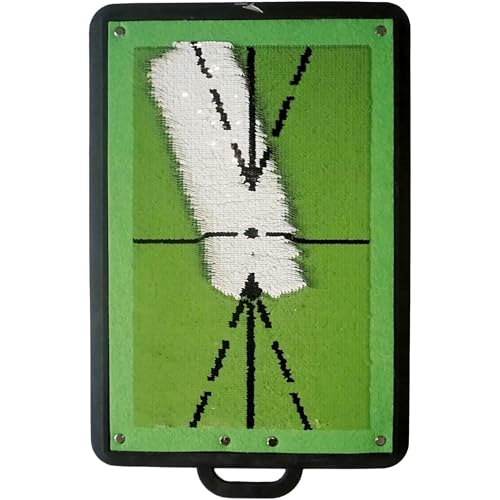
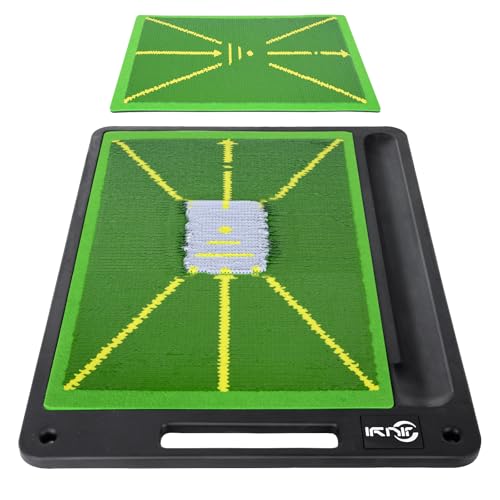
A golf training mat for swing detection is a high‑tech practice surface that uses pressure sensors, infrared, or camera‑based tracking to analyze your swing. Unlike a standard hitting mat that simply cushions impact, these mats capture critical metrics – club path, face angle, attack angle, and even weight distribution. Many models also support batting practice, making them versatile tools for athletes who want to improve their ball‑striking consistency.
From basic foam mats that leave an imprint of your club’s impact to fully digital systems that connect to your smartphone, today’s options fit every budget and training goal. When combined with other training aids, a detection mat can accelerate your improvement dramatically.
How Swing Detection Mats Work
Most detection mats rely on a grid of pressure sensors or optical sensors embedded in the surface. As you swing, the mat records the exact location and force of club‑to‑ground contact. Advanced versions pair with a swing analyzer or dedicated mobile app to display data instantly. The technology is similar to that found in club sensors, but with the advantage of capturing ground interaction – a critical factor often missed by on‑club devices alone.
Some mats even incorporate high‑speed cameras or Doppler radar to measure ball flight if you’re hitting into a practice net. This gives you a complete picture: swing mechanics + ball launch conditions. The feedback is immediate, allowing you to make corrections on the spot, which is far more effective than reviewing video after the session.
Benefits for Both Golf and Batting
One of the standout advantages of a quality detection mat is its dual‑use capability. The same technology that helps a golfer correct an over‑the‑top move can also help a baseball or softball player refine their batting stance and weight transfer. Here’s how:
- Swing Path Visibility: See exactly where your club or bat bottoms out. This mirrors the feedback from dedicated swing plane trainers but with quantifiable data.
- Impact Consistency: Repeatedly striking the mat in the same spot builds muscle memory. Used together with impact bags, you’ll develop a more penetrating strike.
- Weight Shift Analysis: Many mats show pressure distribution between your feet, highlighting balance issues that can rob power.
- Instant Feedback Loop: No need to set up cameras or wait for a coach – the mat tells you immediately if your swing was on plane.
Key Features to Look For
When shopping for a swing detection mat, keep these specifications in mind to ensure you get the best value for your practice time:
- Sensor Density & Accuracy: More sensors per square inch mean finer data. Look for mats that measure both horizontal and vertical impact forces.
- App Compatibility: The best mats sync with popular golf swing apps or come with their own comprehensive software. This allows you to store sessions and track progress over time.
- Durability & Size: A mat that will see daily use needs to withstand thousands of strikes. Also consider your space – some mats are large enough to stand on, while others are compact sensor strips.
- Portability: If you plan to take it to the range or batting cage, a lightweight roll‑up design is essential.
- Integration with Other Gear: Can the mat connect to a personal launch monitor or electronic swing trainer? Seamless integration turns a simple practice tool into a professional training ecosystem.
- Price: Basic impact mats start around $80, while fully‑featured sensor mats can reach $1,500+. For most home users, a mid‑range option in the $200–$600 bracket offers the best balance of data and cost.
How to Choose the Right Mat for Your Goals
Your choice ultimately depends on what you want to fix. If you struggle with consistent ball contact, a high‑resolution impact mat that shows club‑sole patterns can be a game‑changer. Pair it with an alignment stick drill to groove a repeatable setup. For those working on swing speed and tempo, a mat with built‑in radar or Bluetooth connectivity to a swing speed app is ideal.
Golfers who already own a golf simulator setup should look for mats that integrate with their launch monitor, ensuring all data flows into one seamless dashboard. Batting enthusiasts, on the other hand, will prioritize mats that measure lateral weight shift and bat speed, rather than club‑specific metrics like face angle.
Remember, the mat is only as good as the drills you perform on it. Incorporate swing fundamentals exercises into every session – start with half swings to master impact location, then gradually add speed. Adding golf‑specific strength training will help you apply the physical changes needed to correct the data the mat reveals.
Effective Drills Using a Detection Mat
To get the most out of your mat, try these proven drills:
- Gate Drill for Consistency: Place two tees or alignment sticks just outside the impact zone. The goal is to strike the mat between them consistently, training your brain to deliver the club on the correct path.
- Pressure Transfer Drill: Use a mat that shows foot pressure. Exaggerate your weight shift from back to front foot, and watch the sensor map light up. This ingrains the proper sequencing taught in golf flexibility programs.
- Batting Swing Path Exercise: For baseball players, mark a target line on the mat and practice slow‑motion swings, ensuring the bat traces the line without early deviation.
- Impact Bag Combo: After working on the mat, take a few swings into an impact bag to reinforce the feeling of a solid strike position.
Frequently Asked Questions
Can a swing detection mat really improve my golf score?
Absolutely. By providing objective feedback on your strike quality, the mat removes the guesswork. Many users report dropping 3‑5 strokes after just a few weeks of targeted practice because they finally understand their miss patterns.
Do these mats work for baseball/softball batting practice?
Yes. The ground‑force and path sensors are equally applicable. Look for mats that offer a “batting mode” or allow calibration for a wider swing arc.
Are sensor mats worth the investment compared to a regular hitting mat?
If you’re serious about improvement, the data is invaluable. A basic hitting mat protects your clubs and floor, but a sensor mat shows you the “why” behind every shot. For the price of a few lessons, you get unlimited feedback at home.
Do I need a launch monitor to use a swing detection mat?
Not at all. Most mats function independently with their own displays or apps. However, pairing with a personal launch monitor will unlock ball‑flight data to complement the strike analytics.