Distance Golf Balls: Unlock Your Maximum Driving Potential
Discover the best distance golf balls engineered for explosive speed, low spin, and superior carry. Our expert guide helps you choose the perfect ball to add yards to your drives.
VIEW TOP DISTANCE BALLSGolfProAdvice Philosophy: We believe distance isn’t just about swinging harder — it’s about matching the right equipment to your swing. Distance golf balls are meticulously engineered to reduce drag, optimize launch, and deliver incredible carry. Use our guide to find the ball that fits your game and watch your drives soar.
What Are Distance Golf Balls?
Distance golf balls are specifically designed to maximize the length of your shots, especially off the tee. Unlike tour performance balls that prioritize spin and control around the greens, distance balls focus on reducing driver spin, increasing ball speed, and promoting a higher launch with more roll. Most feature a two-piece construction — a large, energetic core wrapped in a durable, low-spin cover. This simple design generates incredible energy transfer at impact, making them ideal for players who want to add precious yards without altering their swing fundamentals.
Because they minimize sidespin, distance balls also help keep your drives straighter, a real advantage for mid-to-high handicappers. The category has evolved: today’s distance balls offer a much better feel than the rocks of the past, with some even providing decent greenside performance. If raw yardage is your priority, exploring the golf gear section dedicated to balls will give you a head start.
How Do Distance Golf Balls Work?
The magic lies in compression, core construction, and aerodynamics. The core is the engine — typically made of polybutadiene, a highly resilient synthetic rubber. When struck, the core compresses and then rapidly expands, launching the ball at high velocity. Low compression cores (below 70 compression) are easier to compress at moderate swing speeds, resulting in more distance for slower swingers. Higher compression balls (90+) require faster swing speeds to activate but reward with explosive ball speed and a penetrating trajectory.
The cover, usually Surlyn or a similar ionomer, is thin and tough, reducing spin off the driver. Dimple patterns are carefully optimized to minimize drag and maintain a stable ball flight. Some distance balls also feature a graduated core (dual-core) that provides a soft feel on short shots while still behaving like a distance rock on full swings. For a deeper look at how compression matches your speed, see our guide on low compression golf balls for slow swing speeds.
Choose the Right Distance Ball for Your Swing Speed
Matching the ball to your driver swing speed is the single most important step to unlocking extra yards. Here’s how to find your perfect fit:
Swing Speed Under 85 mph
For seniors, juniors, and players with a slower tempo, ultra-low compression is essential. Look for balls with a compression rating of 40–55. These balls spring off the face with minimal effort, providing high launch and remarkable carry. Visit our detailed recommendation for the best distance golf ball for 85 mph swing speed or explore senior-friendly options.
Swing Speed 85–95 mph
This range represents the average male golfer. A mid-compression distance ball (60–75) balances soft feel with explosive distance. The core is firm enough to deliver ball speed, yet the ionomer cover keeps spin low. For a curated list, check our pick for the best distance golf ball for 90 mph swing speed, or browse the best distance balls for average swing speeds.
Swing Speed 95–105 mph
Stronger swingers need a ball that can handle the power without over-compressing. Higher compression (80–95) distance balls produce a flatter, piercing trajectory and maximum roll. Our dedicated guide to the best distance golf ball for 100 mph swing speed will help you make the right choice.
Swing Speed Over 105 mph
At elite speeds, a very firm distance ball or even a low-spin premium ball can yield the greatest total distance. Focus on models that minimize driver spin while still providing enough greenside control. If you’re unsure where your swing falls, start with our comprehensive guide to finding the right golf ball for your swing speed.
Top Distance Golf Balls Available Now
While the market offers dozens of options, a few stand out for their sheer yardage gains. Below are some of the most popular distance balls you can trust to outperform your current gamer. (Prices are approximate per dozen, and real-time offers appear in the product section below.)
- Callaway Warbird – An iconic 2-piece ball with a high-energy core and HEX dimple pattern. Exceptional for mid-to-high swing speeds seeking maximum speed and a strong ball flight. Price range: $20–$25
- Titleist Velocity – A firmer distance ball that delivers tight, low-spin flight and impressive roll. Best suited for players with driver speeds above 95 mph. Price range: $25–$30
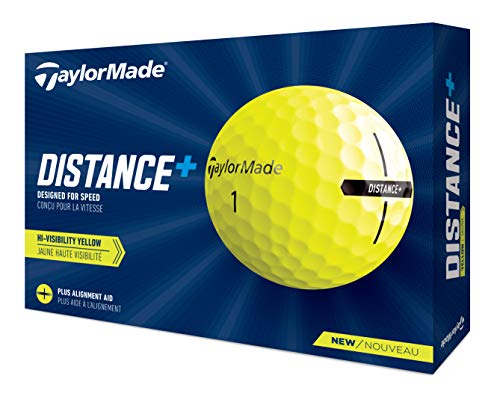
- TaylorMade Distance+ – With a soft React core and a low-drag aerodynamic design, this ball provides a great blend of speed, launch, and alignment aid. Ideal for a wide range of swing speeds. Price range: $20–$25
- Bridgestone e12 Contact – While technically a 3-piece, the e12 emphasizes distance through reduced drag and a unique dimple that promotes straight flight. A fantastic option for those who want some greenside control without sacrificing yards. Price range: $30–$35
- Wilson Staff DUO Distance – An ultra-low compression ball (around 52) perfect for slower swings. It explodes off the face for effortless distance and has a remarkably soft feel. Price range: $20–$25
Remember, the best way to confirm a ball’s performance is to test it. Combine your ball testing with a personal launch monitor to see actual data on spin and carry, or practice your ball striking with quality practice nets.
Why Choose Distance Golf Balls?
Distance balls aren’t just for beginners. They offer clear benefits that can help any golfer shoot lower scores: longer drives mean shorter approaches, higher confidence on the tee, and more scoring opportunities. By reducing side spin, they also help straighten out your misses — a priceless advantage when combined with solid club selection and course management. And because they’re typically more affordable than multi-layer tour balls, you can stock up and play without worrying about losing a $5 ball. Many golfers also find that pairing a distance ball with the right driver and a proper driver fitting creates the ultimate distance combo.
Frequently Asked Questions
Q: Do distance golf balls sacrifice control around the greens?
A: Generally, yes — they have a firmer cover that generates less spin on chip shots and pitches. However, modern distance balls use advanced cover blends that offer much better feel than past models. If you rely heavily on high-spin wedge shots, consider a soft feel ball or a lower-compression tour ball instead.
Q: Can a distance ball really add 10–20 yards?
A: For many players, especially those using a ball ill-suited to their swing speed, switching to the right distance ball can add significant yardage. Combined with distance improvement techniques, you might see gains of 10 yards or more.
Q: Are there distance golf balls that work in the wind?
A: Yes — look for balls with a dimple pattern designed to reduce drag and a penetrating trajectory. Many distance balls excel in windy conditions because of their low-spin nature. You can also learn more in our wind play guide.