Knee Protection for Golfers: Braces, Exercises & Injury Prevention
Learn how to safeguard your knees during golf with proper warm-ups, strengthening routines, and the best knee braces for stability and pain relief.
SHOP KNEE BRACES & SUPPORTSWhy Knee Care Matters: The rotational forces and weight shifts in a golf swing place significant stress on the knees, especially the lead knee. Proactive knee care can prevent injuries, reduce pain, and extend your playing years.
Understanding Knee Stress in the Golf Swing
The golf swing generates substantial torque through the lower body. For a right‑handed golfer, the left (lead) knee bears the brunt of the twisting motion during the backswing and transitions quickly into a stabilising role on the downswing. Without adequate preparation and support, this repeated stress can lead to chronic pain or acute injury. A solid base built on proper swing fundamentals not only improves performance but also minimises unnecessary strain on the knee joint. Additionally, maintaining good hip mobility allows the hips to rotate freely, reducing the torsional load that often gets transferred directly to the knees. Before every round or practice session, incorporate a dynamic warm‑up routine to increase blood flow and prepare the connective tissues for the demands ahead.
Common Knee Injuries Among Golfers
Golfers often experience knee issues that develop gradually or occur suddenly. The most frequent complaints include:
- Meniscus tears – twisting while the foot is planted can pinch or tear the cartilage.
- Patellar tendinitis – overuse inflammation of the tendon below the kneecap, often from walking hilly courses.
- ACL strains – though rare in golf, an awkward slip or a violent swing with poor footing can strain the anterior cruciate ligament.
- Osteoarthritis flare‑ups – repetitive impact and rotational forces can aggravate existing degenerative changes.
If you are dealing with persistent knee discomfort, it is essential to rest and consult a healthcare professional. Our guide on injury recovery for golfers offers additional advice on managing and returning from common golf‑related pains.
Preventive Strategies for Healthy Knees
Prevention starts long before you step onto the first tee. A comprehensive knee‑care routine includes:
- Targeted strengthening – building the quadriceps, hamstrings, and glutes helps stabilise the knee. Explore our golf‑specific strength training plans and core training for golf routines, as a strong core reduces the load transferred to the lower body.
- Balance and proprioception – using balance trainers improves joint stability and helps your body react safely on uneven lies.
- Flexibility work – tight muscles pull on the knee joint. Regular golf flexibility exercises keep the surrounding soft tissues supple.
- Bodyweight drills – simple movements like squats and lunges, detailed in our bodyweight golf exercises guide, build functional strength without equipment.
- Resistance training – incorporating bands or light weights, as shown in our resistance training for golf article, adds progressive overload to strengthen the knee stabilisers.
Choosing the Right Knee Brace for Golf
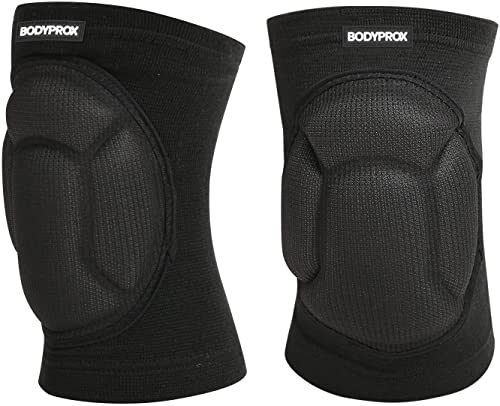
A well‑chosen knee brace can provide compression, warmth, and structural support during a round. Options range from simple sleeves to advanced hinged braces. Consider the following types:
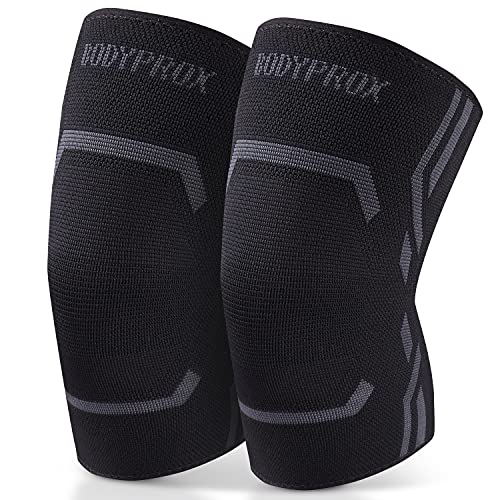
- Compression sleeves – offer light support and increased proprioception, ideal for mild arthritis or general knee fatigue.
- Patellar straps – apply targeted pressure on the patellar tendon, helpful for tendinitis.
- Hinged braces – provide medial/lateral stability and are suitable for moderate ligament laxity or post‑injury play.
Prices for golf‑specific knee supports typically range from $25 to $150, depending on the level of stabilisation and material quality. Look for breathable, moisture‑wicking fabrics that won’t restrict your swing. Below you’ll find our curated selection of top‑rated knee protection gear to help you play pain‑free.
Best Exercises to Strengthen Knees for Golf
Consistency with these movements will build the muscular foundation your knees need:
- Bodyweight squat – keep your chest up and knees tracking over your toes. See bodyweight golf exercises for proper form.
- Lateral band walks – strengthen the gluteus medius to control knee alignment during the swing.
- Step‑ups – mimic walking the course while building quad and glute power.
- Reverse lunges – improve balance and unilateral leg strength, reducing compensation patterns.
For advanced loading, integrate our resistance training for golf protocols using bands or light dumbbells.
On‑Course Knee Care Tips
Small adjustments during play can make a big difference:
- Wear golf shoes with excellent traction and cushioning. Both spiked golf shoes and modern spikeless golf shoes offer stability that helps prevent twisting slips.
- Use quality golf socks with extra padding in the heel and forefoot to absorb impact.
- Consider a push cart instead of carrying your bag, which reduces repetitive load on the knees.
- Avoid excessive twisting when retrieving the ball – bend from the hips and keep the knee aligned.
When to Seek Professional Help
If you experience swelling, sharp pain, or instability that lasts more than a few days, consult a sports medicine specialist or physical therapist. Early intervention can prevent a minor niggle from becoming a season‑ending injury. Combining professional guidance with the right equipment and exercise routine will keep you on the fairway for years to come.