Finding the Best Golf Driver for Maximum Distance and Control
Your ultimate guide to driver technology, clubhead design, shaft selection, and professional fitting insights to help you hit more fairways and add yards to your tee shots.
EXPLORE THE GUIDEKey Takeaway: The best driver isn't the most expensive one—it's the one optimized for your unique swing speed, attack angle, and forgiveness needs. A proper driver fitting can add 15-25 yards to your drives and significantly tighten your dispersion.
Why Your Driver Is the Most Important Club in the Bag
The driver sets the stage for every hole. A long, accurate tee shot not only shortens the course but also builds confidence. Modern drivers have evolved far beyond simple titanium heads. They now feature multi-material constructions, movable weights, and aerodynamic shapes engineered to deliver maximum ball speed across a larger area of the face. For many golfers, upgrading from a driver that is even 5 years old to a current model with updated technology can result in measurable gains in both distance and forgiveness.
Understanding what makes a driver work is crucial before making a purchase. Factors like Center of Gravity (CG) placement, Moment of Inertia (MOI), and face technology directly impact launch angle, spin rate, and off-center hit performance. This guide breaks down every aspect to help you make an informed decision, whether you are a high-handicapper seeking more fairways or an experienced player looking for adjustable shot-shaping capabilities found in many adjustable drivers.
Understanding Modern Driver Technology
Driver manufacturers invest heavily in R&D to push the limits of performance within the Rules of Golf. The goal is always the same: high launch, low spin, and maximum ball speed. Here’s how they achieve it.
Clubhead Materials and Construction
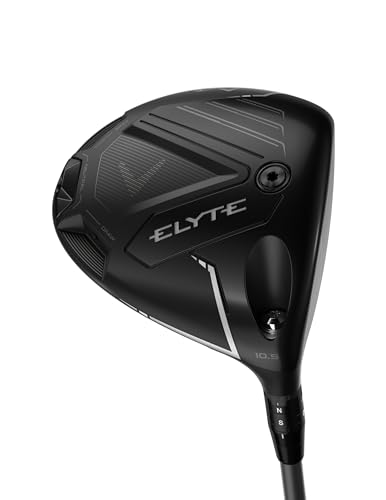
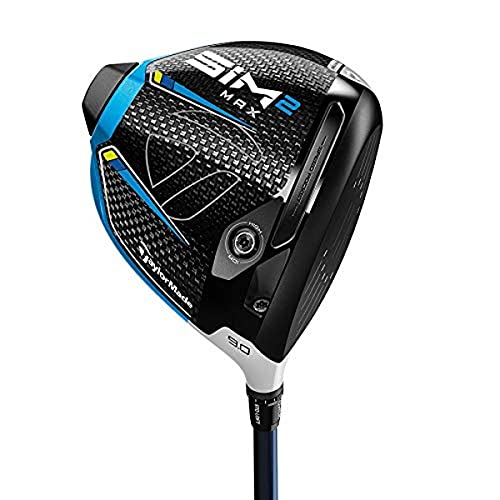
Most drivers today use a lightweight titanium face and body, often combined with carbon composite crowns. Titanium allows for a thinner, more flexible face that returns more energy to the ball, acting like a spring. Carbon fiber crowns save weight, which engineers can reposition lower and deeper in the head to boost forgiveness and optimize launch conditions.
Center of Gravity (CG) and Moment of Inertia (MOI)
CG location profoundly affects ball flight. A low and back CG helps launch the ball higher with less spin, a combination that benefits most amateurs. High MOI is the measure of a clubhead's resistance to twisting on off-center strikes. A driver with ultra-high MOI will produce straighter shots and retain more ball speed on mishits, making it ideal for golfers who don't always find the center of the face. Understanding your need for forgiveness is the first step in the driver fitting guide.
Aerodynamics and Speed
Clubhead speed is a primary factor in distance. Modern driver shapes are meticulously refined in wind tunnels to reduce drag during the downswing. Subtle contours, raised skirts, and streamlined crown designs can result in 1-2 mph more clubhead speed, which translates to 3-5 extra yards—a welcome gain for any player.
How to Choose the Right Driver for Your Game
Selecting a driver from a wall of options can be overwhelming. Narrow your search by focusing on three key areas: loft, shaft, and head design.
Loft: Your Launch Angle Starts Here
Many amateurs use too little loft. If your swing speed is under 95 mph, a driver loft of 10.5°, 11.5°, or even 12° will likely produce more carry distance than the 9° models favored by pros. Higher loft reduces sidespin, leading to straighter shots. A launch monitor is the best tool to dial in your exact loft requirement during a fitting.
Shaft Flex and Weight
The shaft is the engine of the driver. Using the wrong flex can lead to inconsistent timing and wild dispersion. A shaft selection guide can provide detailed charts, but a general rule is: slower swing speeds benefit from lighter, more flexible shafts (Senior/A, Regular) to help launch the ball higher, while faster swingers need heavier, stiffer shafts (Stiff/X-Stiff) for control and to keep spin low. The shaft weight, torque, and bend profile (kick point) are equally important as the flex rating.
Driver Characteristics by Swing Speed
| Swing Speed (mph) | Typical Handicap | Recommended Loft | Shaft Flex | Head Priority |
|---|---|---|---|---|
| Under 85 | 20+ | 11.5° – 13.5° | Senior / Light | Ultra-Forgiving, High Launch |
| 85 – 95 | 10 – 20 | 10.5° – 12° | Regular | Forgiving, Mid-High Launch |
| 95 – 105 | 5 – 12 | 9° – 10.5° | Stiff | Balanced (Forgiveness & Workability) |
| 105+ | 0 – 8 | 7.5° – 9° | X-Stiff | Low Spin, Workable |
Adjustable vs. Non-Adjustable Drivers
Many premium drivers now feature hosel adjustments that allow you to change the loft and lie angle. Adjustable drivers are incredibly valuable for changing course conditions or addressing a recurring swing fault. Perimeter weighting adjustments, often using sliding or screw-in weights, let you promote a draw or fade bias. This level of customization can replace years of tinkering with different equipment.
The Importance of a Professional Driver Fitting
A static fitting uses measurements like wrist-to-floor length, while a dynamic fitting uses a launch monitor to analyze your ball flight with actual swings. A dynamic, professional fitting is the single best investment you can make in your golf game. Even a seasoned player will be shocked at how much performance is left on the table by playing an off-the-rack driver with a generic shaft. When you combine a driver fitting guide session with a professional's eye, the results are transformative.
A skilled fitter will use data—clubhead speed, ball speed, launch angle, spin rate, and smash factor—to assemble the optimal head and shaft combination. They will also be able to recommend the correct shaft not just by flex, but by weight and bend profile to match your tempo. Expect the fitting to cost between $50 and $150, a fee often waived if you purchase the club through them. Considering a new driver costs $500+, this upfront investment ensures you're buying a weapon, not a liability.
Getting the Most From Your Driver
Once you have the right club in your hands, technique and preparation are key. A common mistake is swinging harder with a new driver, which disrupts timing. Trust the technology and swing with rhythm. Before your round, a solid dynamic warm-up focused on rotational exercises will prime your body for a wide, powerful swing arc and help prevent injury.
For your on-course strategy, use your driver when the risk-reward makes sense. A narrow fairway might call for a fairway wood or hybrid, but understanding your driver's dispersion pattern through practice lets you attack with confidence. More advanced players can experiment with shot shaping to work the ball with the wind or around doglegs, a skill made easier with an adjustable driver.
Final Pre-Purchase Checklist
- Swing Speed Analysis: Know your average speed to narrow down shaft flex and loft immediately.
- Identify Your Miss: Do you fight a slice, hook, or inconsistent contact? Prioritize a high-MOI, forgiving head if so.
- Try Before You Buy: Always hit a driver on a launch monitor. Don't just buy a brand based on reputation.
- Shaft is King: The stock shaft may not fit you. Be open to a shaft that’s a different weight and flex than what you've always used.
- Set a Budget with a Buffer: A new premium driver can cost between $500 and $600, while quality shaft upgrades can add $100–$350+. Excellent used models from 1-2 years ago can be found in the $250–$400 range.