Shoulder Mobility for Golf: Unlock Your Full Swing Potential
Discover how improved shoulder rotation, flexibility, and stability can add yards to your drives, enhance consistency, and protect you from common golf injuries.
EXPLORE MOBILITY DRILLSKey Insight: Limited shoulder mobility forces compensatory movements in your golf swing that rob you of power and accuracy. A simple daily routine of targeted stretches and strengthening exercises can dramatically improve your range of motion and overall game.
Why Shoulder Mobility Is Crucial for Golfers
The golf swing is a complex rotational movement that demands a full, unrestricted range of motion through the shoulders. When your thoracic spine and shoulder girdle move freely, you can achieve a deeper shoulder turn, maintain proper posture, and generate more clubhead speed without straining your lower back. Conversely, stiffness in the shoulders leads to an over-the-top swing, early extension, and inconsistent ball striking.
Improving shoulder mobility isn’t just about hitting the ball farther—it’s about longevity in the game. By incorporating the right exercises into your routine, you can reduce the risk of rotator cuff injuries, shoulder impingement, and the nagging aches that often sideline golfers. For a complete fitness plan, also explore our guides on golf flexibility exercises and daily stretching routines to complement your shoulder work.
Many golfers neglect the connection between swing fundamentals and physical capability. Even with perfect technique, tight shoulders will limit your ability to load into the right side and uncoil explosively. That’s why mobility training is no longer optional—it’s a cornerstone of modern golf performance.
Common Shoulder Mobility Restrictions and Their Swing Faults
Before diving into exercises, it helps to understand how specific mobility deficits show up in your swing:
1. Limited External Rotation
This restricts your ability to set the club correctly at the top of the backswing, often causing a cupped wrist, flying right elbow, and loss of power. You might notice pushes and slices as typical misses.
2. Tight Internal Rotators
If the muscles in the front of your shoulder are too tight, you’ll struggle to make a full shoulder turn and may overswing with your arms, leading to a reverse pivot or loss of balance. This is often linked to lower back pain in golfers as the lumbar spine compensates.
3. Thoracic Spine Stiffness
While not the shoulder joint itself, a rigid upper back severely limits shoulder turn. The solution involves integrating dynamic warm-up drills that mobilize the entire kinetic chain, from hips to shoulders.
Identifying your personal restriction is the first step. A simple self‑test: can you comfortably hold a golf club across your shoulders and rotate 90 degrees without your hips moving? If not, your shoulders and upper back need work.
Top 5 Shoulder Mobility Exercises for Golfers
Perform these exercises consistently—ideally before every round or practice session, and as a standalone routine 3‑4 times per week. They require no special equipment, though a resistance band or mobility stick can enhance results (see the equipment section below). For additional strength work, visit our golf-specific strength training guide.
1. Thread-the-Needle Stretch
Start on all fours, slide one arm under your body, rotating your upper back until your shoulder and ear rest on the floor. Hold for 30 seconds each side. This stretch targets thoracic rotation and opens the posterior shoulder capsule—essential for a full backswing.
2. Standing Wall Shoulder Rotation
Stand with your back against a wall, arms at 90 degrees like a goalpost. Keeping elbows and wrists in contact with the wall, slowly slide your arms upward. If you can’t keep contact, your shoulder mobility is restricted. This drill retrains proper scapular movement and is a favorite among pre-round warmup routines.
3. Banded Shoulder Distraction
Secure a light resistance band to a fixed point at waist height. Facing away, hold the band with one hand and gently step forward until you feel traction in the shoulder joint. Add small circles to lubricate the joint. This is invaluable for those who sit at a desk all day, a common cause of elbow and wrist discomfort as well.
4. Club Across Shoulders Rotation Drill
Grip a club with hands wide, raise it overhead, then lower it behind your neck. Slowly rotate side to side, keeping hips stable. This dynamic movement integrates shoulder mobility with core training, reinforcing the separation between upper and lower body you need in your swing.
5. Supine Pec Stretch with Rotation
Lie on your side, both arms straight out in front. Open the top arm like a book, allowing your chest and shoulder to rotate open while your knees stay together. This mobilizes the thoracic spine and stretches the pectorals, critical for a full finish and avoiding common overuse injuries.
Consistency is key. Even 10 minutes daily can yield noticeable improvements in range of motion within two weeks. As you progress, consider adding resistance training to build strength in your new range.
Training Aids and Equipment for Shoulder Mobility
While bodyweight exercises are extremely effective, certain tools can accelerate your progress and provide targeted release. Here are the most useful products for golfers, along with typical price ranges to help you budget.
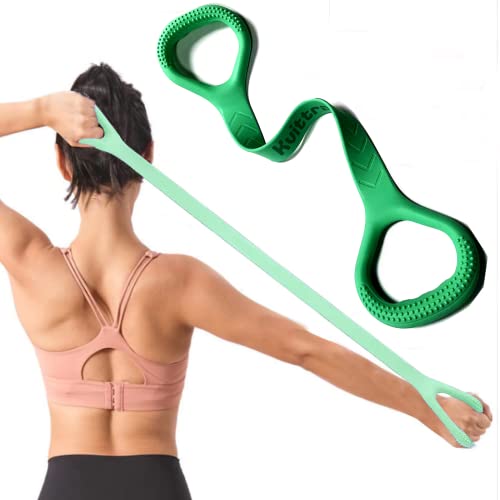
- Resistance Bands: A set of light to medium bands ($15–$50) allows you to perform banded distractions, external rotation pulls, and warm-up sequences. Essential for any golf fitness kit.
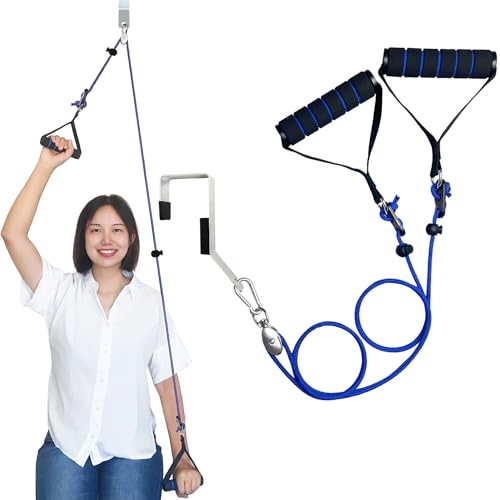
- Mobility Stick/Shoulder Wand: A simple wooden or plastic rod ($20–$40) helps with overhead squats and pass-throughs, instantly revealing asymmetries. Many golfers use a spare alignment stick as a budget alternative—check our alignment sticks page for options.
- Foam Roller or Massage Ball: For self-myofascial release ($10–$35), foam rolling the thoracic spine and lats can dramatically improve shoulder turn. Combine this with bodyweight exercises for a complete home mobility program.
- Weighted Clubs or Swing Trainers: Products like the Orange Whip or SKLZ Gold Flex ($80–$120) promote a wide arc and proper sequencing, but they require existing mobility. Use them only after you’ve established a baseline range of motion. See our weighted clubs guide for recommendations.
- Posture Correctors: Wearable straps ($20–$60) that gently pull your shoulders back can serve as a reminder during desk work, though they should complement—not replace—active exercise. Explore posture trainers for golf-specific designs.
For a full swing overhaul, pairing mobility work with a swing tempo trainer can help you translate your new range of motion into a smoother, more powerful swing.
How to Build a Shoulder Mobility Routine That Sticks
The best routine is one you’ll actually do. Start with a 5‑minute flow before every range session and a dedicated 20‑minute session twice a week. Here’s a sample weekly plan:
- Pre‑Round/Gym (5 min): Thread‑the‑Needle, Wall Slides, and Banded Pass‑Throughs. This increases blood flow and prepares the joints for explosive movement, much like the drills in our dynamic warm-up routine.
- Recovery Day (15‑20 min): Full series of stretches, foam rolling, and banded distractions. Use lighter resistance and focus on breathing to permanently lengthen tight muscles.
- Strength Session Supplement: After your main workout, add 2‑3 mobility drills as a finisher. This is where you lock in the gains from power development exercises without sacrificing flexibility.
Track your progress with a simple test: mark how far you can rotate your shoulders while sitting cross‑legged. Re‑test every two weeks. Improved mobility will show up as a wider turn, a more powerful release, and fewer aches on the course. For more complete fitness routines, including hip and core work, browse our golf fitness hub.