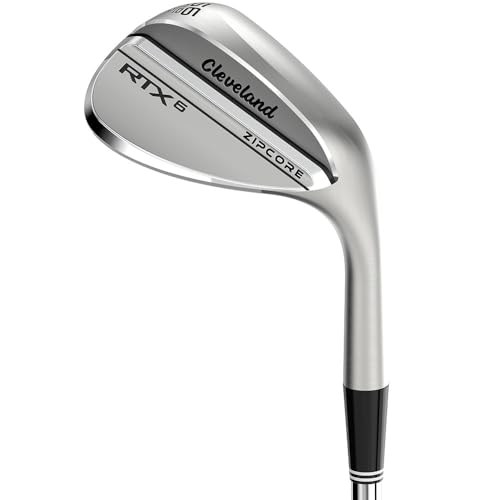
Ultimate Sand Wedge Guide: Bounce, Grind & Bunker Mastery
Learn how to choose the perfect sand wedge, understand bounce angles, and master bunker shots to slash strokes from your scorecard.
EXPLORE TOP PICKSKey Insight: A sand wedge is the most specialized club in your bag, designed to blast out of greenside bunkers and hit high, soft‑landing shots. The right sand wedge can transform your short game from a liability to a weapon.
What Is a Sand Wedge and Why Do You Need One?
The sand wedge is a high‑lofted iron (typically 54°–58°) with a wide sole and generous bounce. It is engineered specifically for escaping greenside bunkers, but it’s also incredibly useful for pitch shots, chips, and any shot where you need height and a soft landing. Unlike other irons, the sand wedge’s sole is designed to glide through sand rather than dig, making it an indispensable tool for every golfer. Mastering bunker play with this club can save you multiple strokes per round and dramatically lower your scores.
Beyond the sand, the sand wedge excels at pitching techniques from tight lies and thick rough. Its high trajectory and spin help you stop the ball quickly on the green. Whether you’re a beginner or an experienced player, having a properly fitted sand wedge gives you confidence around the greens.
Understanding Bounce and Grind
Bounce refers to the angle between the sole of the club and the ground when the club is held squarely. Higher bounce (10°–14°) prevents the wedge from digging too deeply into soft sand or thick turf, while lower bounce (4°–8°) works better on firm surfaces and tight lies. The grind is the shaping of the sole that affects how the wedge interacts with the ground. For a complete breakdown, see our wedge bounce guide.
When choosing bounce, consider your local course conditions and your swing type. If you play on soft, fluffy sand or have a steep angle of attack, a high‑bounce sand wedge (12°–14°) will be more forgiving. On hard‑packed bunkers or from tight fairways, a lower bounce (8°–10°) offers greater versatility. Many modern sand wedges feature multiple grind options—such as C‑grind, S‑grind, or full sole—that let you tailor performance to your playing style.
How to Choose the Right Sand Wedge
Selecting the ideal sand wedge depends on several factors: loft, bounce, grind, shaft material, and how it blends with your other wedges. A proper club selection process ensures you have consistent distance gaps throughout your short game. Ideally, your sand wedge should be 4°–6° weaker than your pitching wedge and fill the gap between your gap wedge and lob wedge.
Also pay attention to shaft flex and material. Steel shafts offer greater control and feedback, while graphite shafts reduce vibration and can increase clubhead speed. The grip size and feel matter too—a comfortable, tacky grip will help you maintain control when you’re opening the face for flop shots or bunker blasts.
Sand Wedge Loft: What Degree Should You Get?
Most sand wedges come in lofts of 54°, 56°, or 58°. A 56° sand wedge is the most common and provides a great balance of height and distance control. If you prefer a stronger lofted gap wedge (around 50°–52°), a 54° sand wedge keeps your yardage gaps tight. Conversely, a 58° sand wedge gives you extra elevation and stopping power, especially on firm greens. The right loft ultimately depends on your wedge setup and personal preference.
For example, a classic four‑wedge configuration might be: pitching wedge (44°–46°), gap wedge (50°–52°), sand wedge (54°–56°), and lob wedge (58°–60°). This gapping gives you precise options from 120 yards all the way down to delicate greenside shots.
Bunker Play Techniques with a Sand Wedge
Good bunker technique starts with the right setup. Open your stance, align the clubface to the target, and play the ball slightly forward of center. The key is to strike the sand about 2–3 inches behind the ball, letting the bounce of the sand wedge prevent the club from digging. Follow through fully to ensure the sand carries the ball out. For step‑by‑step instruction, review our bunker play guide and wedge swing tips.
Practice different lies—buried, fried‑egg, uphill, and downhill—so you can adapt your sand wedge technique to any situation. The same principles apply when using the sand wedge around the green for chipping from light rough. With the right motion and a forgiving bounce, you’ll escape sand more consistently and leave yourself makeable putts.
How Much Should You Spend on a Sand Wedge?
A quality sand wedge typically costs $120–$250, with premium forged models reaching $250+. Budget‑friendly options start around $80+ and still deliver excellent performance for recreational golfers. While it’s tempting to buy a cheaper wedge, investing in a club with a quality groove pattern and the right bounce can make a noticeable difference in your short game. Consider your playing frequency and budget when making a decision.
Beyond the clubhead, the shaft and grip also contribute to the final price. Custom‑fit wedges, which match the shaft flex and lie angle to your swing, may cost an additional $30–$50 but are well worth it for the added consistency.
Sand Wedge FAQs
- What’s the difference between a sand wedge and a lob wedge? A lob wedge has higher loft (58°–64°) and less bounce, making it better for high, soft shots over obstacles. A sand wedge is more versatile from sand and thicker lies. Many golfers carry both. Learn more in our lob wedge guide.
- Can I use a sand wedge from the fairway? Yes, it’s excellent for approach shots under 100 yards. The high loft stops the ball quickly, but you need to make clean contact to avoid thinning it.
- What bounce is best for beginners? A mid‑bounce (10°–12°) sand wedge is the most forgiving and works well in a variety of sand conditions. As you improve, you can experiment with different bounces. Check our bounce guide for details.
- How often should I replace my sand wedge? If you practice bunker shots frequently, the grooves may wear out after one to two seasons. Inspect the face regularly; if you can’t generate as much spin, it’s time for a replacement.
- Do I need a custom‑fit sand wedge? It’s not mandatory, but a fitting ensures the lie angle, shaft flex, and grip size complement your swing. This can significantly improve consistency and feel.