Golf Headcovers: Protect Your Investment in Style
Everything you need to know about choosing the right headcovers for your driver, fairway woods, hybrids, and putter. Keep your clubs safe from dings, scratches, and the elements.
Why Headcovers Matter: A quality headcover is the simplest way to extend the life of your most expensive clubs. Whether you carry, push, or ride, headcovers shield your driver, fairway woods, and hybrids from bag chatter that can chip paint, dent crowns, and even affect performance. Modern designs offer far more than just protection—they’ve become a way to express personality, support a favorite team, or showcase a custom logo.
Types of Golf Headcovers
Not all headcovers are created equal. The shape and closure mechanism depend on the club it’s meant to protect.
Driver Headcovers
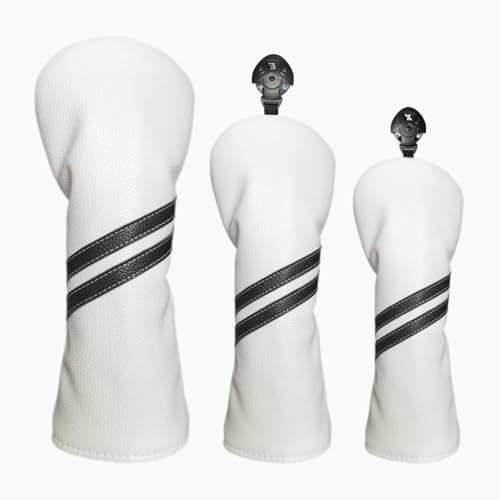
These are the largest and most heavily padded covers. They typically feature a long, sock-like design to accommodate the 460cc head size and a shaft up to 46 inches. Many driver headcovers now use strong magnetic closures instead of traditional Velcro or zippers for quick, silent access. Premium leather and synthetic leather options often include a plush inner lining. When you invest in a modern adjustable driver, a properly fitted headcover is non‑negotiable.
Fairway Wood & Hybrid Headcovers
Smaller and often numbered “3” or “5,” these covers protect fairway metals and hybrids that sit lower in the bag. Look for a snug fit—too loose and the cover may slip off during a round. Neoprene and stretch‑knit materials have become popular for these because they’re lightweight and provide a secure hold without the bulk of thick leather.
Putter Covers
Your putter deserves special care. Blade‑style putter covers are slim and often magnetic, while mallet covers are wider and may have a center‑shaft opening. A good putter cover prevents nicks on the milled face and keeps the insert clean. Many companies offer center‑shaft mallet covers designed for specific models, ensuring a perfect fit.
Iron Covers
Though less common, iron covers protect cavity backs and forged blades from bag chatter. They come in sets of 9 or 10 and usually use a clear or numbered tag for easy identification. While they add a few seconds to each shot, they keep your irons looking showroom‑fresh.
Materials & Construction
The material determines durability, feel, and how well the cover stays in place. Most golfers choose between these four categories:
- Genuine Leather: Top‑grain or full‑grain leather offers a classic look and excellent durability. It ages beautifully but requires occasional conditioning. Prices typically start at $40 and can exceed $100 for hand‑stitched, custom designs.
- Synthetic Leather (PU): A great alternative that looks like leather at a fraction of the cost (often $15–$40). PU covers are water‑resistant, easy to clean, and available in countless colors.
- Knit / Wool: Traditional pom‑pom style headcovers made from acrylic or wool yarn are lightweight and provide a retro, tour‑inspired aesthetic. They offer moderate protection and usually cost $15–$35.
- Neoprene: The same material used in wetsuits, neoprene provides a snug, stretchy fit and excellent shock absorption. It’s a favorite for fairway woods and hybrids. Expect to pay $10–$30 per cover.
Why You Shouldn’t Skip Headcovers
Beyond looks, good headcovers deliver tangible benefits:
- Prevent Crown & Face Damage: Dings from other clubs can cause sky‑marks that affect resale value and even aerodynamics.
- Weather Protection: A tight‑fitting cover keeps moisture off the clubface and out of the shaft bore, reducing the chance of rust.
- Noise Reduction: Constant clanking in a golf bag is annoying. Well‑padded covers dampen sound significantly.
- Travel Safety: When flying, a sturdy headcover paired with a travel cover or golf travel bag offers an extra layer of protection against baggage handlers.
- Organization: Numbered or labeled covers help you grab the right club quickly—especially useful in a complete club set.
How to Choose the Perfect Headcovers
Keep these factors in mind when shopping:
1. Club Compatibility
Measure the head size and shape. Oversized drivers (460cc) need a generous interior. Most modern fairway wood covers fit 150–180cc heads, while hybrid covers accommodate 80–120cc. Always check the manufacturer’s size chart.
2. Closure System
Magnetic closures are the modern standard—quiet, fast, and won’t snag on other clubs. Velcro is reliable but wears out over time. Zippers offer total enclosure but can scratch shafts if not lined. Sock‑style knits simply stretch over the club with no closure at all.
3. Shaft Protection
A long enough sock section prevents the top of the shaft from rubbing against other clubs in the bag. Look for covers with a shaft sleeve of at least 8–10 inches.
4. Style & Personalization
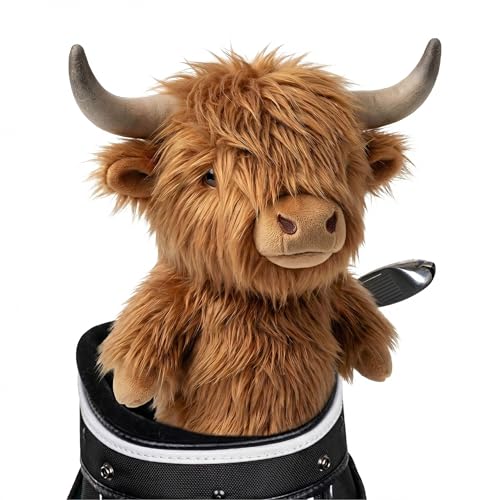
Headcovers are one of the few ways to show personality on the course. You can find everything from pet‑themed designs and character covers to classic patriotic themes. Many companies offer fully custom photo covers.
Care & Maintenance Tips
With minimal effort, your headcovers can last for years:
- Leather: Wipe with a damp cloth, then apply a leather conditioner every few months to prevent cracking.
- Neoprene & Synthetic: Rinse with mild soap and water, then air‑dry. Avoid direct heat.
- Knit: Hand‑wash in cold water and lay flat to dry. Do not wring or machine dry.
- Storage: When not on the course, store clubs with covers on to maintain shape. In a bag with individual dividers, covers stay cleaner.
Final Thoughts
Investing in a set of well‑fitting headcovers is one of the smartest moves you can make for your golf equipment. They protect your high‑end driver, fairway woods, and hybrids from costly damage, add a touch of personality, and even help you stay organized on the course. Whether you prefer the timeless elegance of leather, the retro charm of knit pom‑poms, or the modern functionality of magnetic neoprene, there’s a headcover to match every golfer’s taste and budget.