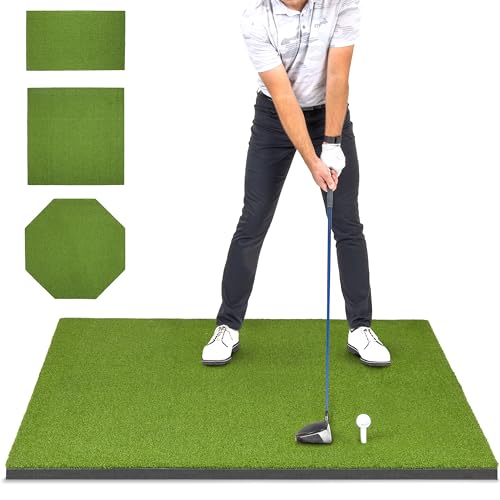
Best Hitting Mat for Golf Simulator: Top Picks & Buying Guide
Find the perfect hitting mat to protect your body and enhance your indoor simulator experience. Read our comprehensive guide before you buy.
Whether you’re building a high‑end golf simulator or simply want a reliable surface for net practice, the hitting mat you choose dramatically affects your practice quality. A mat that’s too hard can cause elbow and wrist strain, while one that’s too soft may mask fat shots. In this guide, we break down everything you need to consider, from construction and thickness to realistic feel, so you can make an informed choice. If you are also looking for complete practice solutions, our guide on practice nets offers complementary advice.
What to Look for in a Hitting Mat for Golf Simulators
The best hitting mat is not simply a piece of turf – it’s an engineered surface that absorbs shock, mimics fairway conditions, and withstands thousands of swings. Here are the critical factors:
- Thickness and Shock Absorption: Look for mats at least 1‑1/4″ thick, with a dense foam or rubber base. Adequate cushioning reduces stress on your golf fitness and lowers the risk of repetitive‑strain injuries.
- Realistic Turf Feel: High‑quality nylon or polypropylene fibers with a realistic pile height give you accurate feedback on strike quality. It should punish fat shots without jarring your joints.
- Durability: A commercial‑grade mat holds up under repeated use and doesn’t develop permanent grooves or bald spots. Many good mats come with a warranty of 3‑5 years.
- Size and Footprint: Consider whether you need a full stance mat (typically 5′ x 5′ or larger) or a compact hitting strip. Full mats are ideal for permanent simulator setups, while strips save space and budget.
- Compatibility with Launch Monitors: Some mats have a dedicated area for striking, ensuring consistent data when used with personal launch monitors. Check that your monitor’s required ball‑to‑sensor distance is accommodated.
Types of Hitting Mats
Before picking a model, it helps to understand the common designs you’ll encounter. Our dedicated hitting mats overview covers the full range, but here’s a quick summary:
- Full Stance Mats: Large mats (4′ x 5′ up to 5′ x 10′) that accommodate your entire stance. Perfect for home practice setups where you want the most realistic feel.
- Hitting Strips: Narrow strips (1′ x 3′ or similar) that sit inside your existing stance area. Great if you already have a stance platform and want to save money.
- Combo Mats: Some solutions integrate a hitting mat with a net, like the golf practice net with hitting mat offerings, giving you an all‑in‑one training station.
- Insert/Divot Action Mats: Premium mats with a sliding surface that simulates taking a divot. These reduce joint stress even further and are favored by serious simulator enthusiasts.
How We Selected the Best Hitting Mats
Our recommended products are evaluated based on feedback from home users and teaching pros, combined with lab‑measured specs like impact absorption, turf durability, and consistency of ball‑data readings. Below you’ll find a curated collection of hitting mats that excel in different categories – from budget‑friendly to premium divot‑simulating designs. Each mat has been chosen to help you practice smarter, whether you’re grooving your swing fundamentals or chasing extra distance indoors.
Installation & Maintenance Tips
Once you’ve picked the right mat, proper setup and care extend its life and performance. For a complete walkthrough, explore our home practice setup guide. Here are quick pointers:
- Secure the Mat: Place the mat on a level, hard surface (concrete or plywood). If it slides, use double‑sided carpet tape or a non‑slip rug pad underneath.
- Rotate and Flip: Many mats allow you to rotate 180° to distribute wear. Some premium models are double‑sided; flip them periodically to maintain consistent feel.
- Clean Regularly: Vacuum the turf to remove dust and plastic debris from broken tees. For deeper cleaning, use a mild detergent and water, then let it air dry completely.
- Monitor Wear: Check the hitting zone for flattened fibers or permanent dents. If your mat loses its shock absorption, it’s time for a replacement – your body will thank you.
Final Thoughts
A top‑quality hitting mat is an investment in your health and your game. By choosing a mat that combines realistic turf feedback with effective shock absorption, you’ll be able to practice longer and improve faster without unnecessary aches. Remember to complement your simulator sessions with proper warm‑up and golf‑specific fitness exercises, and always listen to your body – if you ever feel discomfort, check your mat and your joint care routine. Browse our selected products below and find the hitting mat that fits your swing and your space.