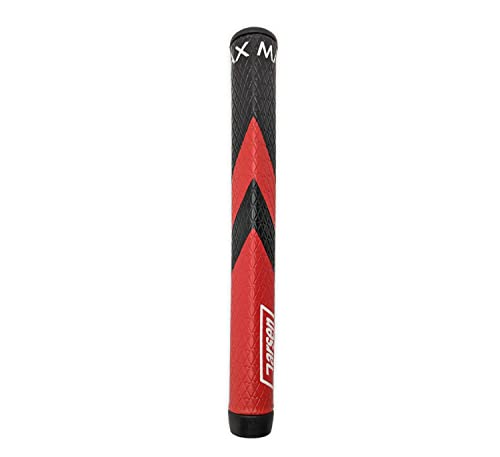
Best Putter Grip for a Straight Back Straight Through Stroke
Your putting stroke is only as reliable as the connection between your hands and the putter. For golfers who use a straight back straight through (SBST) motion, the right grip can mean the difference between a square face at impact and a costly push or pull. This guide breaks down exactly which grip types, shapes, and materials support a true SBST stroke — and how to choose the one that fits your hands and your game.
Understanding the Straight Back Straight Through Stroke
The straight back straight through stroke is exactly what it sounds like: the putter head travels directly backward along the target line and then directly forward through impact, with minimal face rotation. It is a mechanically simple motion that suits golfers who prefer a shoulder-driven, pendulum-style stroke rather than one that opens and closes the face through an arc.
This stroke is most common among players who use a putter with little or no toe hang, particularly blade putters and center-shafted mallets. Because the face stays square throughout, the hands must stay quiet and the grip must encourage a neutral wrist position. That is where grip selection becomes critical — an overly tapered or thin grip can let the wrists hinge and introduce unwanted rotation.
If you are still deciding whether SBST is right for you, it helps to compare it against arc-based putting and the putter designs that support each method. Our guide to the best putter for a straight back and through stroke covers head shapes, weighting, and alignment in detail.
Why the Putter Grip Matters for SBST
The putter grip is your only physical connection to the club. In an SBST stroke, the goal is to keep the putter face square to the target line from start to finish. That requires three things from your grip:
- Wrist stability: The grip should discourage the wrists from breaking down or hinging during the stroke.
- Neutral hand position: A grip that naturally sets your hands in a palms-opposing or slightly weak position reduces face rotation.
- Consistent pressure: A larger, softer grip lets you hold the putter with light pressure, which promotes a smoother, more repeatable motion.
Thin, heavily tapered grips encourage wrist action — which is fine for an arc stroke but counterproductive for SBST. That is why most teaching professionals recommend non-tapered or oversized grips for players committed to a straight-back straight-through motion.
Key insight: A grip that reduces wrist hinge is not a shortcut to a better stroke — it is a tool that makes your existing SBST technique easier to repeat under pressure. Match the grip to the stroke, not the other way around.
Best Putter Grip Shapes for SBST
Putter grips come in several cross-sectional shapes. Each one influences how your hands sit and how much freedom your wrists have. For an SBST stroke, three shapes stand out.
1. Pistol Grips
The pistol grip has a pronounced ridge running down the back, with a larger section under the top hand and a thinner section below. It is the traditional shape and remains the most common on tour. For SBST players, a pistol grip with a muted ridge works well — it provides a consistent reference point for hand placement without encouraging the wrists to rock. Pistol grips are generally mid-range in complexity and suit players who already have a repeatable stroke and want tactile feedback.
2. Oversized and Jumbo Grips
Oversized grips reduce hand and wrist action by filling the hands more completely. For SBST strokes, this is often the single most effective change a golfer can make. A jumbo grip promotes a shoulder-driven stroke and helps eliminate the small, twitchy wrist movements that cause the face to close or open at impact. These grips are available at entry-level, mid-range, and premium tiers, with premium models offering more advanced moisture management and firmer feedback.
3. Flat-Sided and Square Grips
Flat-sided grips have a rectangular or square cross-section that locks the hands into a consistent position. They are especially popular with SBST players because they make it nearly impossible to rotate the face accidentally. The flat front encourages a palms-opposing grip, which keeps the face square throughout the stroke. These grips suit players who want maximum stability and minimal feel — they are less about feedback and more about repeatability.
4. Round Grips
Round grips are the least structured option. They offer the most freedom for hand rotation, which makes them a poor fit for most SBST strokes. They can work for players with very quiet hands, but they are generally better suited to arc-based putting. If you are committed to SBST, a round grip is best avoided unless you have a specific reason to use one.
Grip Size: Finding Your Match
Size matters as much as shape. The general rule for SBST putting is: the larger the grip, the less wrist action. But there is a practical limit — a grip that is too large for your hands will feel unwieldy and can cause you to grip too tightly.
- Standard size: Best for players with smaller hands or those who prefer more feel. Standard grips allow slightly more wrist movement, so they suit golfers with a very stable, well-grooved SBST stroke.
- Midsize: The most versatile option. Midsize grips add enough volume to quiet the wrists without feeling oversized. They are a safe choice for most SBST players and are widely available across quality tiers.
- Oversized / Jumbo: The strongest anti-wrist-hinge option. Ideal for players who struggle with face rotation, those with larger hands, or golfers who use a claw or left-hand-low grip. Jumbo grips are common in the mid-range and premium segments.
A simple test: hold the grip in your normal putting stance. Your fingertips should lightly touch your palm, not dig into it. If there is a large gap between your fingertips and palm, the grip is too small; if your fingers cannot comfortably wrap around, it is too large.
Grip Materials and Texture
The material of the grip affects feel, durability, and how well it performs in wet or humid conditions. For SBST putting, feel and consistency matter more than tackiness alone.
- Rubber and synthetic rubber: The most common materials. They offer a good balance of feedback and durability. Entry-level grips often use basic rubber compounds; mid-range and premium grips use proprietary blends that stay tacky longer.
- Polyurethane: Softer and more comfortable, with excellent shock absorption. Often found in premium oversized grips. Polyurethane grips tend to feel warmer and are easier on the hands during long practice sessions.
- Corded textures: Provide extra traction in humid conditions. They are less common in putting grips but can help players who sweat heavily or play in wet climates. Corded grips tend to offer firmer feedback.
- Textured surfaces: Many modern grips use raised patterns or micro-textures to improve grip without adding bulk. These are a good option for SBST players who want a larger grip without a slippery feel.
Regardless of material, replace your grip when it becomes glossy or slick. A worn grip forces you to squeeze harder, which tightens the wrists and undermines the quiet-hand motion that SBST putting depends on. Our club regripping guide walks through the replacement process if you prefer to do it yourself.
Quick Comparison: Grip Types at a Glance
The table below summarizes how each grip type performs for a straight back straight through stroke. Tier labels indicate relative market positioning, not price.
| Grip Type | Wrist Stability | Best For | Typical Tier |
|---|---|---|---|
| Pistol (muted ridge) | Moderate | Players with a grooved stroke who want tactile feedback | Mid-range |
| Oversized / Jumbo | High | Golfers who struggle with wrist hinge or face rotation | Mid-range to Premium |
| Flat-sided / Square | Very high | SBST purists who want maximum repeatability | Mid-range |
| Round | Low | Arc-stroke players; not recommended for SBST | Entry-level |
| Polyurethane oversized | High | Players prioritizing comfort and shock absorption | Premium |
If you are also evaluating putter heads to pair with your grip, the best putter for SBST guide covers face-balanced and center-shafted options that complement a quiet-handed stroke. Players who use a counterbalanced setup may also want to look at counterbalanced putters, which can further reduce wrist influence.
How to Choose Your Grip: A Step-by-Step Approach
- Confirm your stroke type. Record your putting stroke from a face-on angle. If the putter head moves straight back and straight through with minimal face rotation, you are an SBST player. If it arcs, a different grip category may suit you better.
- Identify your miss pattern. If you tend to pull putts, a larger, non-tapered grip can help quiet the wrists. If you push putts, a slightly smaller grip with more feel may help you release the face more naturally.
- Choose a shape. Flat-sided and oversized grips are the safest starting points for SBST. Pistol grips work if you want feedback and already have a stable stroke.
- Size to your hands. Use the fingertip-to-palm test described above. When in doubt, go one size larger than standard.
- Consider conditions. If you play in humid or wet conditions, prioritize textured or corded surfaces. If comfort is a priority, look at polyurethane options.
- Test before committing. Most pro shops and golf retailers allow you to try grips on a putting mat. Spend at least ten minutes rolling putts before deciding.
Once you have selected a grip, pair it with a putter that matches your stroke mechanics. Our guide to the best putter for a straight back and through stroke is the natural next read. If you practice at home, a highly rated indoor putting green lets you dial in your new grip without leaving the house.
Frequently Asked Questions
What is the best putter grip size for a straight back straight through stroke?
Midsize and oversized grips are generally best for SBST strokes because they reduce wrist action and promote a shoulder-driven motion. Midsize suits most golfers, while oversized or jumbo grips are ideal for players who struggle with face rotation or have larger hands. The right size is the largest grip you can hold comfortably with light pressure.
Does a larger putter grip really help with a straight back straight through stroke?
Yes. A larger grip fills the hands more completely, which limits wrist hinge and encourages the shoulders to control the stroke. This directly supports the quiet-hand, square-face motion that defines SBST putting. Many golfers find that switching to an oversized grip is the fastest way to reduce accidental face rotation.
Should I use a pistol or flat-sided grip for SBST putting?
Both can work. Flat-sided grips provide the most stability and are the most foolproof for SBST. Pistol grips offer more tactile feedback and suit players who already have a repeatable stroke. If you are prone to wrist breakdown, choose flat-sided; if you want feel and have a stable motion, a muted pistol grip is a solid choice.
Can I use a standard-size grip with a straight back straight through stroke?
Yes, but it requires more discipline. Standard grips allow more wrist movement, so they suit golfers with a very stable, well-practiced SBST stroke. If you notice the face opening or closing at impact, moving up to a midsize grip is a simple fix.
How often should I replace my putter grip?
Replace your grip when it becomes glossy, slick, or starts to show wear — typically every one to two seasons for regular players. A worn grip forces you to squeeze harder, which tightens the wrists and undermines the quiet-hand motion that SBST putting depends on. See our club regripping guide for replacement instructions.
Is a counterbalanced putter a good match for an SBST stroke?
Counterbalanced putters add weight to the grip end, which can further stabilize the stroke and reduce wrist influence. They are a popular option for SBST players, especially those who use longer putters or a claw grip. Our counterbalanced putters guide explains the trade-offs in more detail.