Golf Swing Guide: Step-by-Step Instructions for a Consistent Swing
Master every phase of the golf swing—from grip and stance to follow-through—with expert tips, proven drills, and training aids that build accuracy, distance, and repeatability.
Explore Swing FundamentalsThe Foundation of a Great Golf Swing
Your golf swing is the engine that drives every shot. Whether you’re a beginner looking to build a reliable motion or an experienced player ironing out inconsistencies, understanding the mechanics from setup to finish is key. This comprehensive guide breaks down each component, highlights common faults, and recommends targeted training aids to accelerate improvement. Before diving in, be sure to warm up with a proper dynamic warmup to prevent injury and groove your range of motion.
1. The Grip – Your Only Connection to the Club
The grip determines clubface control and ultimately the starting direction of the ball. There are three common grip styles: overlapping (Vardon), interlocking, and ten-finger (baseball). Most instructors recommend a neutral grip where the "V" formed by the thumb and index finger of both hands points between your chin and trailing shoulder. Using a training grip can help ingrain the proper hand placement. If you frequently slice, check that your lead hand isn’t too weak; conversely, a hook may indicate an overly strong grip. Small adjustments here ripple through the entire swing.
2. Stance, Posture & Alignment
Position yourself with feet shoulder-width apart for mid-irons, slightly wider for driver. Flex your knees softly and hinge forward from the hips—not the waist—keeping your back straight. Your weight should be balanced on the balls of your feet. Square alignment means your feet, hips, and shoulders are parallel to the target line. Lay an alignment stick along your toe line during practice to ingrain this feel. Proper posture not only promotes a full shoulder turn but also protects your back; a back care routine is essential for longevity in the game.
3. The Backswing – Building Power and Plane
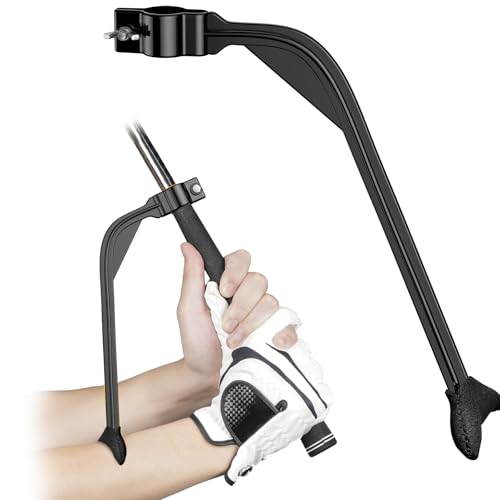
The backswing is a coiling motion where the upper body turns against a stable lower body. Start the takeaway with the shoulders, letting the arms follow, and hinge your wrists gradually. At the top, your lead arm should be straight but not locked, and the club shaft should ideally point near the target. A smooth tempo is crucial; training with a swing tempo trainer can prevent rushing. Ensure your lead heel stays grounded or lifts only slightly—excessive lower body slide reduces stored power. If you struggle with an over‑the‑top move, a swing plane trainer or even a simple impact bag can teach the proper downswing sequence.
4. Downswing & Impact – The Moment of Truth
The downswing begins with a slight lateral shift of the lower body toward the target, followed by rotation of the hips. The arms drop naturally onto the correct plane, and lag is created when the wrists remain cocked late into the downswing. At impact, your hands should be ahead of the ball (for irons) to compress it, and the clubface should be square. This is where a swing analyzer can provide real‑time feedback on path, face angle, and tempo. To maximize distance with the driver, see our dedicated driver swing tips; for iron compression, visit iron swing tips.
5. The Follow‑Through – Balance and Finish
A balanced follow‑through indicates a controlled, rhythmic swing. After impact, the club should travel around your body and finish high over your lead shoulder. Your belt buckle should face the target, and almost all your weight should be on the lead foot. A proper finish is a great diagnostic tool: falling backward may signal a reverse pivot, while falling forward often means an over‑active upper body. Incorporate these principles into your pre‑shot routine to make them second nature.
Common Swing Faults and How to Fix Them
- Slice: Caused by an open clubface relative to path. Strengthen grip, check alignment, and use a plane trainer to stop coming over the top.
- Hook: Closed clubface or excessive in‑to‑out path. Weaken grip slightly and monitor ball position.
- Topping the ball: Often from early release or standing up through impact. Focus on maintaining spine angle and using an impact bag to feel proper compression.
- Fat shots: Hitting behind the ball indicates a low point too far back. Shift weight to lead side earlier and practice with a weighted club to improve sequencing.
- Loss of distance: Inefficient energy transfer. Check for casting and incorporate golf‑specific strength exercises and flexibility work.
Drills to Groove a Repeatable Swing
Drills bridge the gap between understanding and execution. Here are a few favourites:
- Pause at the Top Drill: Pause for two seconds at the top of your backswing to eliminate rushing and improve transition sequencing.
- Feet‑Together Drill: Hit balls with feet together to promote balance and a tight upper‑body coil.
- Towel Under Lead Arm: Place a towel across your chest and under your lead armpit; hold it there throughout the swing to stay connected.
- Swing Plane Gates: Use two alignment sticks stuck in the ground to create a gate that forces an on‑plane path.
Consistent practice with these drills, coupled with feedback from a launch monitor or swing analysis app, accelerates progress.
Equipment That Supports Your Swing
While technique is paramount, the right gear can make learning easier. Game‑improvement irons with perimeter weighting add forgiveness, and a properly fitted driver can straighten your ball flight. If you’re unsure where to start, check out our guide to choosing your first clubs and consider getting a driver fitting to match launch characteristics to your swing speed. Below, we’ve curated top‑rated training aids to help you master each phase of the swing.