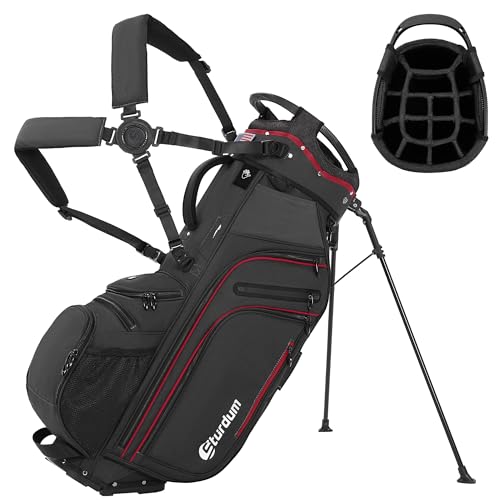
Used Golf Bags for Sale by Owner: The Smart Buyer's Guide
Buying a pre-owned golf bag directly from an owner can be one of the smartest moves for your game and your gear budget. This guide walks you through bag types, inspection checklists, negotiation tactics, and how to spot quality craftsmanship so you can make a confident purchase.
Jump to Inspection ChecklistWhy buy used from an owner? Private sellers often provide detailed histories, allow in-person inspection, and are more flexible than retail channels. You get access to premium-tier and professional-grade bags that have been well maintained, often with features that entry-level new bags lack. Whether you walk the course or ride, a secondhand bag from a careful owner can serve you for many seasons.
Understanding Golf Bag Types Before You Buy
Before searching listings, clarify how you play. Your choice between a pull cart setup or carrying your bag changes the ideal bag category. Here is a breakdown of the main types you will encounter in owner listings.
Stand Bags
Lightweight with integrated legs, ideal for walking. Look for reinforced strap stitching and a functioning spring mechanism. Mid-tier and premium stand bags from reputable brands hold up well when stored indoors.
Cart Bags
Larger storage, designed for trolleys and riding carts. A solid choice if you use an electric trolley or ride frequently. Check the base stability and cooler pocket condition.
Carry Bags
Minimalist and lightweight for short courses. Owners often sell these in good condition because they see lighter use. Verify strap padding and hip pad integrity.
Tour Bags
Oversized with premium materials, often professional-grade. A used tour bag can be a worthwhile investment for serious players who want maximum storage and durability.
What to Look For in a Used Golf Bag
A careful inspection separates a long-term investment from a quick replacement. Use the checklist below when evaluating any listing or meeting an owner in person. Bring a flashlight and inspect seams closely.
Owner Inspection Checklist
- Zippers: Open and close every pocket. Look for snagging, missing pulls, or separated teeth.
- Stitching: Check stress points around straps, handles, and the stand mechanism for fraying.
- Stand Mechanism: Deploy the legs repeatedly. The spring should engage smoothly without wobble.
- Fabric: Look for tears, mold spots, or sun fading. Weather-resistant coating should still feel intact.
- Dividers: Confirm all interior dividers are present and not collapsed—this protects your clubs.
- Hardware: Inspect rings, clips, and buckles for rust or bending.
- Straps: Check padding and stitching. A worn strap is replaceable but signals overall use level.
- Base and Stability: Set the bag down and check for wobble. A damaged base affects cart compatibility.
- Smell and Storage: Ask where it was stored. Musty odors suggest damp storage conditions.
- Accessories: Confirm rain hood, valuables pouch, and any included straps are present.
Understanding Quality Tiers in the Used Market
Used listings span all tiers. Knowing where a bag sits helps you set expectations and negotiate fairly. We use a simple tier system that applies across brands.
| Tier | Typical Characteristics | Best For |
|---|---|---|
| Entry-level | Basic materials, fewer pockets, lighter dividers | Beginners and casual rounds |
| Mid-range | Durable construction, reinforced straps, better stand mechanism | Regular walkers and weekly players |
| Premium | Premium materials, weather-resistant coating, multiple dividers | Committed golfers and tournament players |
| Professional-grade | Tour-style storage, heavy-duty hardware, flagship-tier fabrics | Serious competitors and frequent travelers |
A mid-range used bag often offers the best balance for most buyers. Premium and professional-grade bags from careful owners are worthwhile investments because their materials age gracefully when stored properly. If you also need clubs, consider pairing your bag purchase with a look at used complete golf sets or full sets of clubs.
Where to Find Bags for Sale by Owner
Owner-to-owner listings appear on local marketplaces, clubhouse bulletin boards, and community forums. A few strategies improve your chances of a great find:
- Search local classifieds with terms like "used golf bags for sale by owner" and filter by recent postings.
- Ask at your home course—members often sell gear before upgrading.
- Join regional golf groups where members post gear they no longer use.
- Check estate and garage listings in golf communities for premium-tier finds.
- Compare listings against other owner-sold categories like used golf clubs to gauge fair exchange in your area.
If you are assembling a full walking setup, explore options for used push golf carts and used electric push carts to complement your bag choice.
How to Evaluate Condition and Negotiate Fairly
Negotiating is normal in owner sales. Base your offer on condition, tier, and completeness rather than on emotional appeal. A bag with a working stand, intact dividers, and clean interior justifies a stronger offer than one missing accessories or showing heavy wear.
Ask these questions before committing:
- How long have you owned the bag, and was it stored indoors?
- Are all zippers, straps, and the stand mechanism fully functional?
- Does it include the rain hood and original accessories?
- Has it been used on a cart frequently, and are there any base cracks?
- Can you provide additional photos of seams, dividers, and the base?
When you meet in person, test the stand, open every pocket, and lift it by the strap to check stitching. A bag that passes these checks is likely to serve you well. For players upgrading their full setup, it also pays to understand swing fundamentals and how equipment choices interact with your game.
Extending the Life of Your Pre-Owned Bag
Once you bring your bag home, a few maintenance habits preserve it for years:
- Empty and air-dry the bag after rainy rounds to prevent mold.
- Wipe hardware with a dry cloth to keep rust at bay.
- Store in a dry, climate-controlled space rather than a garage floor.
- Loosen straps before storage to relieve tension on stitching.
- Use the rain hood whenever possible to protect premium fabrics.
Pair your bag care with broader practice habits—if you are building a home practice corner, consider training aids and used driving range netting to keep your equipment and skills in top shape.
Frequently Asked Questions
What should I check when buying a used golf bag from an owner?
Inspect zippers, strap stitching, stand mechanism, fabric integrity, and interior dividers. Ask about age, storage conditions, and moisture exposure. Request clear photos of stress points before meeting.
Is a used stand bag or cart bag better for a walking golfer?
Stand bags are lighter and built for walking with integrated legs. Cart bags offer more storage but need a trolley. Walkers typically favor mid-tier stand bags with reinforced straps and a reliable spring mechanism.
How can I verify the condition of a used golf bag before purchasing?
Request a video walkthrough, ask for close-ups of seams and the base, and check for mold, rust, and frayed stitching. In-person inspection is ideal for owner sales so you can test the stand and zippers yourself.
Are used golf bags from owners reliable for tournament play?
Yes, when structurally sound with intact dividers, working zippers, and stable construction. Premium-tier bags from reputable brands retain integrity for years with proper care, making them a solid choice for competitive rounds.
Ready to Find Your Next Bag?
Buying used from an owner rewards careful buyers. Use the checklist above, ask the right questions, and focus on condition over cosmetics. When you are ready to expand your setup, pair your bag with quality clubs and accessories—start with our curated recommendations below or explore used golf carts for sale by owner if you are considering a riding setup.