
Used Driving Range Netting for Sale: Expert Buying Guide
Discover how to evaluate, purchase, and install pre‑owned range netting that delivers professional performance at a fraction of the cost.
View Recommended NettingWhy Buy Used? Pre‑owned driving range netting can cut your investment by 30–50% while still offering years of reliable service. With the right inspection and selection, you get the same heavy‑duty materials that protect commercial ranges – ideal for home practice areas, simulators, or upgrading an existing facility.
Understanding Used Driving Range Netting: Types and Materials
Driving range netting is engineered to stop high‑velocity golf balls repeatedly. The two dominant materials you’ll encounter in used inventory are knotted nylon and knotted polyethylene (HDPE). Nylon offers superior strength and stretch, making it ideal for high‑impact zones. Polyethylene is lighter, highly UV‑resistant, and generally more affordable. Many commercial ranges use a combination: nylon in the primary impact areas and HDPE on sides or ceilings. When browsing used options, always identify the material first – it directly affects durability and what you should pay.
A related consideration is whether the netting was originally installed as driving range gear for outdoor ranges or as part of an indoor setup. Outdoor netting usually shows more UV wear, so check for brittleness. If you plan to build a personal home practice setup, even weathered netting can work well with proper tensioning and occasional repairs.
Key Factors to Evaluate Before Buying Used Netting
Inspecting used netting thoroughly prevents expensive surprises. Here’s what to focus on:
- Mesh size: Standard driving range mesh is 1‑1/2 inch square or slightly smaller. Anything larger may let balls through. Verify the mesh is uniform and free of large holes.
- Material condition: Look for fraying, broken strands, or mildew. Nylon that feels stiff and “crunchy” has lost flexibility and may fail soon.
- UV degradation: Faded color is normal, but severe brittleness or powdering indicates the fibers have broken down. A simple tug test can reveal weak spots.
- Knot type: Knotted netting holds its shape better than knotless options. Check that knots remain tight and haven’t slipped.
- Size and panel dimensions: Used panels are often sold in standard widths (10–20 ft) and heights (10–30 ft). Measure your space carefully to avoid excessive splicing.
- Edge finishing: Reinforced borders and integrated cables prolong net life and simplify installation.
If you’re buying used netting to enclose a golf simulator, prioritize impact resistance over sheer size. Simulator enclosures require netting that can absorb drives repeatedly at close range, so look for double‑stitched panels or netting originally used in high‑impact zones.
Where to Find Used Driving Range Netting for Sale
Quality used netting becomes available when ranges renovate, upgrade to new technology, or close down. Top sources include:
- Online marketplaces: Sites like eBay, Facebook Marketplace, and specialized golf resale platforms frequently list used netting panels from commercial operators.
- Driving range closures: Contact local ranges directly – they may be willing to sell old netting before a renovation.
- Golf course auctions: Equipment auctions sometimes bundle netting with other driving range gear.
- Netting manufacturers and installers: Many suppliers sell off cuts, overruns, or replaced netting at reduced prices.
When buying remotely, request high‑resolution photos of rolled‑out panels and ask specifically about any patches, tears, or repairs. A reputable seller will provide detailed condition notes.
Installation and Setup Considerations
Proper installation extends the life of used netting dramatically. Plan for sturdy support structures – typically steel poles or wooden beams set in concrete. Allow for tensioning hardware (turnbuckles, cables, and clamps) to keep the netting tight and absorb impact without sagging.
For outdoor applications, leave a slight drape at the bottom to catch low‑trajectory shots. If you’re using the netting to protect property, the principles are similar to those for golf ball netting for home protection: ensure full coverage of the vulnerable area and maintain at least 3–5 feet of clearance behind the net to absorb ball impact without hitting the surface behind it.
Many buyers pair used netting with practice nets for a complete backyard range. The heavy‑duty commercial netting forms the primary barrier, while smaller practice nets catch short chips and pitches.
Typical Costs and Budgeting
Used driving range netting generally sells for $800–$2,500 for a standard commercial panel (roughly 10 ft x 10 ft to 20 ft x 30 ft). Pricing hinges on:
- Material: Nylon commands higher prices than polyethylene, especially if it retains good elasticity.
- Size and thickness: Larger, heavier‑duty panels (e.g., #42 nylon) cost more but last longer.
- Condition: Netting with minor UV fading but no tears falls in the middle range; pristine, recently replaced panels push toward the upper end.
- Included hardware: Some sellers include cables, clips, or poles, which can save hundreds in additional purchases.
Don’t forget to budget for shipping – large netting rolls can be bulky and heavy. A 20‑foot panel might cost $150–$400 to ship, depending on distance.
Maintaining and Extending the Life of Used Netting
To get the most out of your investment, follow these maintenance steps:
- Inspect netting monthly for new tears, loose knots, or sagging sections.
- Clean with mild soap and water to remove mold, mildew, and bird droppings – never use harsh chemicals that degrade fibers.
- Re‑tension cables at least twice a year, especially after heavy windstorms.
- Repair small holes immediately with nylon twine or dedicated net‑repair kits. Patched areas can perform as well as original if caught early.
With proper care, even pre‑owned netting can serve effectively for 5–8 more years in a residential setting, and 3–5 years in a commercial environment.
Is Used Netting Right for Your Project?
Used driving range netting is an excellent choice if you want professional‑grade protection without the new‑product premium. It’s especially suited for backyard practice cages, simulator enclosures, and supplementing existing range installations. The key is thorough inspection and understanding the netting’s history. By focusing on material quality, mesh integrity, and correct installation, you can create a safe, long‑lasting hitting environment at a price that leaves room for other equipment upgrades.
Top Used Driving Range Netting Options
⚠️ AFFILIATE DISCLOSURE: This website contains affiliate links. As an Amazon Associate, we earn from qualifying purchases. If you make a purchase through these links, we may receive a small commission at no additional cost to you. Read our full affiliate policy.
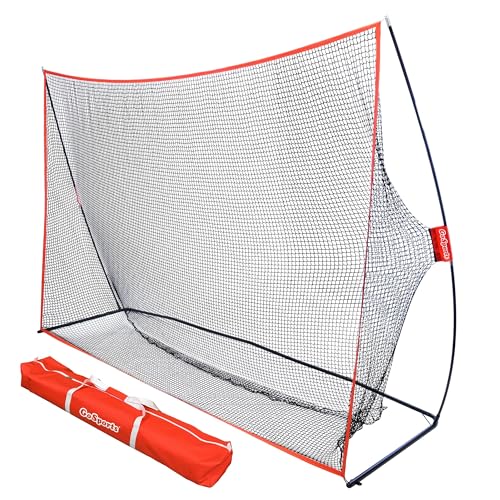
GoSports Golf Practice Hitting Net - Personal Driving Range for Indoor or Outdoor Practice - 10 x 7 ft Red
Check price on Amazon
GoSports Golf Practice Hitting Net - Personal Driving Range for Indoor or Outdoor Practice - 10 x 7 ft Black
Check price on Amazon
GoSports Golf Practice Hitting Net - Choose Between Huge 10 ft x 7 ft or 7 ft x 7 ft Nets - Personal Driving Range for Indoor or Outdoor Use - Designed by Golfers for Golfers
Check price on Amazon
GoSports Golf Practice Hitting Net - Personal Driving Range for Indoor or Outdoor Practice - 7 x 7 ft Red
Check price on Amazon
Aoneky Golf Hitting Practice Net 10ftx10ft /10ftx15ft/ 10x20ft, Square Mesh 1 x1in, 3mm Rope - Golf Training Impact Driving Netting Barrier Indoor Outdoor Garden(10ft x 10ft)
Check price on Amazon
FRANKTECH Golf Practice Net - Heavy Duty Driving Range Net with High Impact Chipping Target, Include Carry Bag and Golf Balls for Indoor Outdoor
Check price on Amazon
10x10 FT Golf Impact Net, Heavy Duty 1 Inch Square Mesh Netting, 660LB Load Capacity Protective Barrier for Driving Range, Black
Check price on Amazon