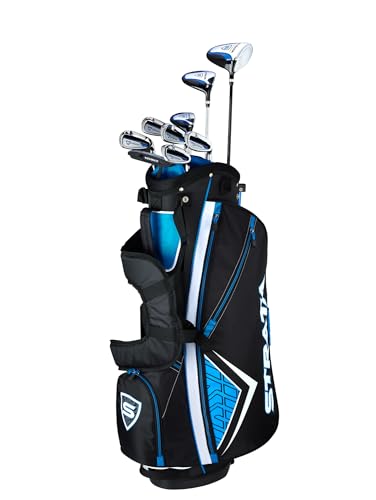
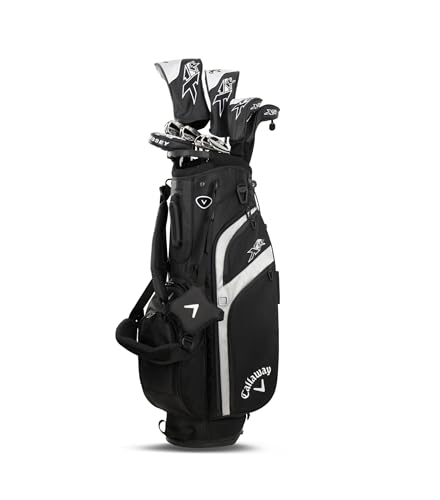
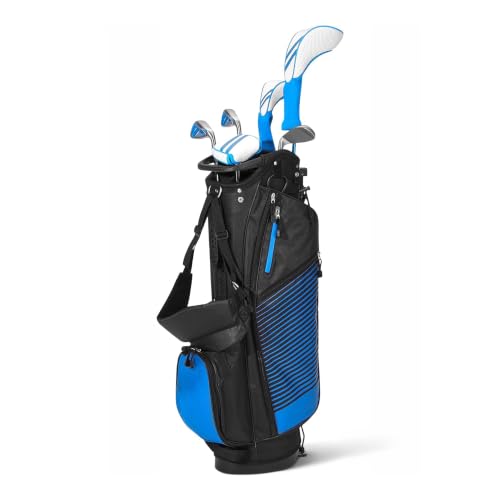
Used Full Set of Golf Clubs for Sale: Your Complete Buyer's Guide
Everything you need to know before buying a pre-owned full set — from assessing condition and confirming specifications to spotting red flags and choosing a set that matches your game.
EXPLORE PRE-OWNED SETSWhy buy a used full set? A complete pre-owned set lets you step onto the course with every club you need — driver, fairway woods, hybrids, irons, wedges, and putter — without committing to the top-tier outlay of a brand-new setup. For beginners, returning players, and anyone building a second bag, a quality second-hand full set is one of the smartest equipment decisions you can make. The key is knowing what to inspect and how to separate a well-cared-for set from one that has been ridden hard.
What Should a Full Set of Golf Clubs Include?
Before you start shopping, it helps to know exactly what "full set" means. A standard complete set covers the 14-club limit and typically breaks down like this:
Woods & Driver
The driver is your longest club and the one most affected by wear. A full set should include a driver plus at least one fairway wood (commonly a 3-wood or 5-wood). Check the face for sky marks and the crown for chips.
Hybrids or Long Irons
Modern full sets usually include one or two hybrids in place of hard-to-hit long irons. Hybrids are more forgiving and are a strong indicator of a set built for real-world playability.
Irons (5–PW or 6–PW)
Your scoring clubs. Look for consistent groove depth across the set and check that the set is complete — a missing 7-iron is a common and frustrating gap in second-hand listings.
Wedges
A full set should carry at least a pitching wedge and sand wedge, ideally with a gap wedge. Bounce and grind matter — our wedge bounce guide explains how to match wedges to your swing.
Putter
The most personal club in the bag. Confirm grip condition and check for a bent shaft or face wear. If the putter does not suit you, it can always be swapped later.
Bag (Often Included)
Many full-set listings include a stand or cart bag. If the bag is included, inspect zips, straps, and the stand mechanism — a failing bag is a hidden replacement cost.
How to Evaluate the Condition of Used Golf Clubs
Condition is the single biggest factor in whether a used full set is a smart buy. Sellers use inconsistent language, so rely on your own inspection checklist rather than the listing description alone.
Inspection Checklist for Pre-Owned Clubs
- Faces and grooves: Grooves should still be sharp and visible. Worn, polished grooves reduce spin and control, especially on wedges and short irons. Run a fingernail across the face — if it glides, the grooves are tired.
- Shafts: Look for rust, dings, and bends. Graphite shafts should be checked for cracks near the hosel and for any fuzzy, frayed fibers. Steel shafts are more forgiving but can still bend.
- Grips: Worn, shiny, or hardened grips are a common issue and a straightforward fix. Factor grip replacement into your decision — it is one of the simplest upgrades you can make.
- Hosels and ferrules: Check for gaps, rust bleeding, or loose ferrules, which can indicate a club that has been re-shafted or stored poorly.
- Set completeness: Confirm the exact irons included. A "full set" missing its 7-iron or pitching wedge is not a full set, and filling the gap can be difficult with older models.
- Head covers and bag: Included head covers protect woods and signal a careful owner. A worn bag is acceptable if the clubs themselves are sound.
- Serial numbers and authenticity: Where visible, check that serial numbers are consistent across the set. Mismatched serials on irons can indicate a pieced-together set.
Comparing Used Full Sets by Market Tier
Rather than fixating on numbers, classify pre-owned sets by where they sit in the market. This helps you judge whether a set matches your level and expectations.
| Tier | Typical Characteristics | Best For | Watch Out For |
|---|---|---|---|
| Entry-Level | Older models, often package-set origins, basic steel or entry graphite shafts, simpler cavity-back irons. | First-time players, casual rounds, juniors stepping up, and anyone testing whether golf will stick. | Very worn grips and grooves; incomplete sets; non-standard shaft flexes. |
| Mid-Range | Game-improvement irons from recognizable brands, forgiving drivers, hybrid-heavy setups, better shaft options. | Improving players, returning golfers, and anyone who wants forgiveness without top-tier outlay. | Sky marks on driver crowns; mixed-generation sets sold as "complete"; aftermarket shafts of unknown origin. |
| Premium | Recent players-distance or players irons, tour-style wedges, quality graphite or premium steel shafts, matching head covers. | Low-handicap players, competitive amateurs, and golfers who want near-new performance from a pre-owned set. | Counterfeit risk on high-demand models; heavily used faces disguised by refurbishment; verify authenticity carefully. |
Matching a Used Set to Your Game
A used full set is only a good buy if the specifications suit you. Three variables matter more than anything else: shaft flex, lie angle, and club length.
Shaft Flex
Regular flex suits most average swing speeds; stiff flex suits faster, more aggressive swings; senior and ladies flex suit smoother tempos. A set in the wrong flex will fight your natural swing — check the flex markings on each shaft, not just the listing.
Lie Angle
Lie angle affects direction more than distance. Standard lies suit most players, but taller or shorter golfers may need adjustments. A local fitter can bend forged irons, while cast clubs are harder to adjust.
Club Length
Length influences posture and consistency. Standard length works for many, but if you are significantly taller or shorter than average, confirm the set's length before committing. Extensions and trimming are possible but add complexity.
Grip Size
Grips are the easiest thing to change. Standard, midsize, and jumbo grips all affect hand action. If a set is otherwise ideal but the grips feel wrong, budget for a regrip rather than rejecting the set.
If you are unsure where to start, our guide to the best clubs for intermediate players breaks down how to match club type to skill level. Complete-set buyers who prefer new equipment can also compare options in our overview of complete golf sets for sale.
Where to Buy a Used Full Set Safely
Where you buy matters as much as what you buy. Each channel carries different risks and protections.
Buying Channels Compared
- Specialist pre-owned retailers: Typically grade condition, verify authenticity, and offer returns. The safest route if you want a set you can trust without inspecting in person.
- Online marketplaces: Wider choice and direct-from-owner listings, but condition descriptions vary wildly. Ask for close-up photos of faces, hosels, and grips before committing.
- Local classifieds and in-person sales: The best way to inspect clubs hands-on. Bring a checklist, check the set is complete, and confirm shaft flex markings on every club.
- Pro shops and club trade-ins: Often well cared for and occasionally fitted, but stock is limited and turns over quickly. Ask whether the set was traded in as a complete bag.
- Auction sites: Great for rare or older models, but buyer protection varies. Verify seller feedback and insist on detailed photos of the faces and shafts.
Red Flags to Watch For
A little caution goes a long way. Walk away — or ask harder questions — if you notice any of the following:
Warning Signs in Used Full-Set Listings
- Vague condition language: "Good condition" without close-up photos of faces, crowns, and grips tells you almost nothing.
- Incomplete sets: Confirm every iron is present. Missing short irons or wedges are common and costly to replace in older models.
- Mismatched shafts or flexes: A "set" assembled from different flexes will play inconsistently. Ask for a photo of every shaft band.
- Heavy refurbishment: Repainted crowns or polished faces can hide wear. If a club looks suspiciously new for its age, ask why.
- No serial number photos: On premium models, request serial number images to verify authenticity and set consistency.
- Pressure to buy quickly: Legitimate sellers answer questions. Urgency is a tactic, not a feature.
After You Buy: Getting the Most from a Pre-Owned Set
A used full set can serve you for years with a small amount of care. Once you have the clubs in hand, take these steps:
Regrip Immediately
Fresh grips restore feel and consistency for a modest outlay. It is the single highest-impact upgrade on any pre-owned set and makes the clubs feel like your own.
Check Lofts and Lies
A local pro can measure loft and lie gaps. Older sets often have drifted lofts, and correcting them tightens your distance control across the bag.
Clean Grooves Regularly
Sharp grooves only stay sharp with care. Clean after every round and avoid abrasive brushes that wear the faces prematurely.
Practice with Purpose
Pair your new set with structured practice. Our swing fundamentals guide and training aids section will help you build a repeatable routine.
Frequently Asked Questions
For most players, yes. A well-chosen pre-owned full set delivers complete course coverage — driver through putter — and lets you put more of your equipment outlay into lessons and practice. The trade-off is that you must inspect condition and specifications carefully, but a quality used set can serve a golfer for many seasons.
Check three things first: groove depth on irons and wedges, shaft integrity (no rust, cracks, or bends), and set completeness. Grooves should be sharp enough to catch a fingernail. Ask for close-up photos of club faces and hosels, and confirm the flex markings on every shaft.
A practical full set includes a driver, at least one fairway wood, one or two hybrids, irons from roughly 5-iron through pitching wedge, a sand wedge, and a putter. A bag is a helpful bonus. Confirm the specific irons included before buying — missing short irons are difficult to replace in older models.
Yes, within limits. A fitter can measure your swing and recommend specs, then adjust lie angle and length on compatible clubs. Forged irons are easier to bend than cast models, and graphite shafts can be more complicated to modify. The most practical approach is to identify your ideal specs first, then shop for a used set that matches them closely.
Be cautious with vague condition descriptions, missing clubs, mismatched shaft flexes, suspiciously refinished heads, and sellers who will not provide close-up photos or serial number images. If a listing feels evasive, move on — there are plenty of well-documented used sets available.
In most cases, yes. Used grips are often the most worn component, and fresh grips restore feel and confidence immediately. Regripping is a straightforward upgrade that makes a pre-owned set feel like your own and is usually worth doing before your first round.
Ready to Find Your Used Full Set?
Browse curated pre-owned complete sets that match your level, budget tier, and specifications. Every set below is selected for completeness and playability.
View Available Sets