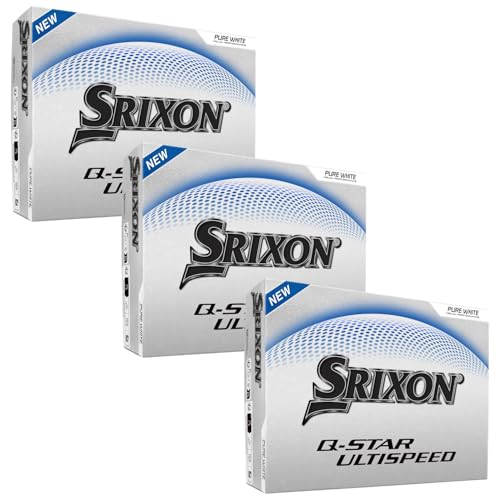
Best Golf Ball for 100 MPH Swing Speed
Your swing speed of 100 mph sits right in the sweet spot between amateur and tour-level performance. Choosing the right ball at this speed can unlock measurable gains in distance, accuracy, and short-game control. This guide breaks down exactly what to look for.
Explore Top RecommendationsWhy 100 mph matters: At a 100 mph driver swing speed, you generate enough clubhead speed to compress most mid-range and premium golf balls effectively. But not every ball is optimized for this range. The wrong compression or spin profile can cost you carry distance or cause inconsistent dispersion. The right ball will feel responsive off the face, hold its line in the wind, and still offer enough spin to stop on the green.
Understanding Golf Ball Performance at 100 MPH
Golf ball performance is shaped by three interacting factors: compression, spin profile, and cover material. At 100 mph, your swing speed is high enough to activate the core of most balls in the mid-range and premium categories, but low enough that ultra-firm tour balls may feel harsh and fail to deliver their full short-game benefit.
Compression is the ball's ability to deform at impact and then spring back. Balls with a compression rating between 70 and 90 tend to suit 100 mph swing speeds well. They compress enough to transfer energy efficiently without over-deforming. Lower-compression balls can feel too soft at this speed, while very high-compression balls may feel board-like and offer diminishing returns unless your ball-striking is consistently centered.
Spin profile is equally important. A ball with too much driver spin will balloon in the air and lose carry. A ball with too little spin will struggle to hold greens on approach shots. At 100 mph, you want a ball that keeps driver spin in a controlled window while still generating enough wedge spin for stopping power. Understanding swing fundamentals helps you match your ball to your delivery.
Key Selection Criteria
1. Compression Rating
Look for a ball with a compression rating in the 70–90 range. This range is the most versatile for 100 mph swingers. Balls in the lower end of that range (70–80) feel softer and offer more greenside control, while balls in the upper end (80–90) provide a firmer feel and slightly more distance off the tee. Avoid ultra-low compression balls designed for sub-90 mph speeds, as they may over-compress and lose energy.
2. Spin and Flight
At 100 mph, driver spin should ideally fall in the 2,400–2,900 rpm range for most golfers, depending on launch angle and angle of attack. A ball that produces excessive spin will sacrifice carry; a ball with too little spin will be harder to control on approach. Many mid-tier and tour performance balls are engineered to balance these trade-offs.
3. Cover Material and Feel
Urethane covers offer superior spin and feel around the greens, making them ideal if short-game scoring matters to you. Surlyn and ionomer covers are more durable and produce straighter flight, which can benefit golfers who prioritize accuracy and consistency over maximum greenside spin. Your choice here should reflect your scoring priorities.
4. Ball Flight and Wind Performance
A ball that flies too high at 100 mph can lose distance into the wind. A penetrating flight with a stable apex is generally more predictable. Look for balls marketed with mid-flight trajectories or those designed to reduce excessive spin. If you play in windy conditions frequently, a lower-spin ball in the mid-compression range is often the smarter choice.
Recommended Ball Categories by Tier
The table below groups ball types by market tier and best-use case. Use the tier descriptors to compare relative positioning, not as a ranking of absolute performance.
| Ball Category | Tier | Best For | Key Traits |
|---|---|---|---|
| Distance-focused ionomer balls | entry-level to mid-range | Golfers prioritizing straight flight and durability | Lower spin, firmer feel, consistent flight |
| Mid-compression urethane balls | mid-tier | Balanced distance and greenside control | Soft feel, moderate spin, workable flight |
| Tour performance urethane balls | premium | Golfers seeking maximum short-game spin | High wedge spin, soft cover, controlled driver spin |
| Flagship tour balls | top-tier | Low-handicap players with consistent strike | Precision spin control, premium materials, firm feel |
| Soft-feel low-compression balls | starter tier | Slower swing speeds or players wanting soft feel | Very soft feel, low spin, easy launch |
How to Test Balls at Your Swing Speed
Testing is the fastest way to find your ideal ball. Here is a practical approach:
- Start on the driving range. Hit 10–15 drivers with each candidate ball. Compare carry distance and dispersion. A launch monitor can give you exact spin and ball speed data.
- Move to the short game area. Chip and pitch with each ball. Note how the ball reacts on the first bounce and how quickly it stops. Urethane covers will typically check up faster.
- Putt with each ball. Feel and sound matter more than most golfers realize. A ball that feels too clicky or too muted can affect confidence on the greens.
- Play a full round. On-course performance in wind, rough, and varied lies is the ultimate test. Pay attention to how the ball behaves on approach shots and around the green.
If you are also refining your technique, swing tempo trainers can help you deliver the club more consistently, which in turn makes ball testing more reliable.
Common Mistakes at 100 MPH
- Choosing a ball that is too firm. Ultra-high-compression tour balls can feel harsh and may not deliver their full short-game benefit if your strike is not consistently centered.
- Over-prioritizing distance. A few extra yards off the tee rarely compensates for lost greenside control. At 100 mph, you are fast enough to benefit from a ball with decent spin.
- Ignoring wind performance. A high-spin ball can balloon into the wind and cost you more distance than you gain downwind.
- Not testing on course. Range balls and indoor testing are useful, but real-world flight and green-side behavior are what ultimately matter.
Frequently Asked Questions
What golf ball compression is best for a 100 mph swing speed?
Golfers with a 100 mph swing speed typically benefit from mid-range compression balls in the 70 to 90 range. These balls offer a balanced blend of distance and feel, allowing the core to compress efficiently at this swing speed.
Should I use a tour performance or distance golf ball at 100 mph?
Both can work well. Tour performance balls provide better greenside control and spin, while distance balls offer straighter flight and less sidespin. Your choice depends on whether you prioritize short-game feel or maximum distance.
How does swing speed affect golf ball selection?
Swing speed determines how much a golf ball compresses at impact. At 100 mph, a ball that is too firm will not compress fully, reducing energy transfer. A ball that is too soft may over-compress, causing energy loss and inconsistent flight.
Can a beginner with a 100 mph swing speed use a premium ball?
Yes, but with a caveat. A premium ball can offer excellent performance, but if your strike is inconsistent, you may not see the full benefit. Many golfers in this speed range find that a mid-tier urethane ball offers a better balance of performance and forgiveness.
Final Thoughts
At 100 mph, you have enough speed to benefit from a well-engineered golf ball, but you do not need to chase the firmest or most aggressive tour model. Focus on compression in the 70–90 range, a spin profile that keeps driver spin controlled while preserving wedge spin, and a cover material that matches your scoring priorities. Test on the course, pay attention to how the ball behaves in the wind, and let your short-game results guide the final decision.
If you are still building your overall game, golf for beginners resources can help you pair the right ball with sound fundamentals. And if you want to explore a broader range of options, the best golf balls for beginners guide offers additional context on entry-level and mid-tier choices.
Ready to Find Your Ideal Ball?
Browse our curated selection of golf balls suited for mid-swing speeds. Compare features, read details, and choose the ball that matches your game.
View Recommended Balls