Best Golf Balls for Beginners: Expert Buying Guide
Learn how to choose the right golf ball to maximize distance, improve accuracy, and build confidence on the course.
Selecting the right golf ball is one of the quickest ways to see immediate improvement in your game. Beginners often focus on clubs and lessons, but the ball you play makes a huge difference in distance, control, and how much you enjoy your rounds. In this guide, we break down everything you need to know—from construction and compression to the best value picks for new golfers.
Why the Right Golf Ball Matters for Beginners
Golf balls are engineered with different player profiles in mind. A tour-level ball that spins a lot around the greens can be extremely difficult for a high-handicapper to control off the tee. Conversely, a rock-hard distance ball may lack the feel needed for short-game touch. For new players, the ideal ball offers a balance of forgiveness, low spin off the driver, and a soft feel on chips and putts. The right choice can help keep the ball in play, reduce slices, and make learning the game more fun. Our comprehensive golf balls guide explores these differences in depth.
Understanding Golf Ball Construction
Most golf balls fall into one of three construction categories. For beginners, the choice is straightforward:
- Two-piece balls – A large, soft core covered by a durable ionomer cover. These are the most forgiving and longest off the tee, making them the top recommendation for beginners. They generate low spin on full shots, which reduces hooks and slices.
- Three-piece balls – Add a middle mantle layer. Some offer a bit more greenside spin while still being playable. A good step-up option once you develop a consistent swing.
- Multi-layer (four- or five-piece) – Tour-performance balls with urethane covers. These provide maximum spin and control but demand higher swing speeds and precise contact—not ideal for most beginners.
If you’re just starting out, a quality two-piece ball is all you need. For a closer look at ball types, check our guides on soft feel golf balls and distance golf balls.
Key Factors to Consider When Choosing Beginner Golf Balls
- Compression – Lower compression (50-70) is best for slower swing speeds. It compresses more easily at impact, generating higher ball speed and a softer feel. Most beginner men and women benefit from low-compression designs.
- Cover material – Ionomer (Surlyn) covers are cut-resistant and produce less spin, keeping the ball straighter. Urethane covers offer more greenside grab but are less forgiving. Stick with ionomer when you’re learning.
- Dimple pattern – Don’t overthink this as a new golfer. Most modern patterns are optimized for a stable, high trajectory. Balls marketed for distance often have shallower dimples to reduce drag.
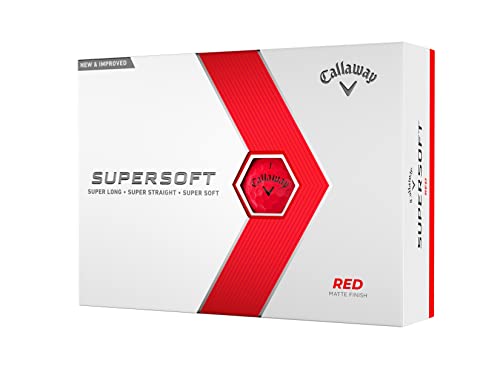
- Price – You don’t need to spend $50 a dozen. Great beginner balls like the Titleist TruFeel or Callaway Supersoft cost around $20–$25 per dozen. Losing fewer balls to water hazards means more savings in your pocket.
As you build a consistent swing, experimenting with different ball types becomes easier. Improving your swing fundamentals will help you feel subtle differences between models.
The Best Types of Golf Balls for Beginners
These three categories cover almost every beginner’s needs. Use our product recommendations below to see today’s top-rated models in each category.
1. Soft Feel / Low Compression Balls
Perfect for moderate to slower swing speeds (under 95 mph). They deliver a pleasant, marshmallow-like feel and extra carry distance. Many new golfers find them easier to control on approach shots. See our dedicated soft feel balls page for specific models.
2. Straight Distance Balls
Designed to reduce sidespin, these balls help keep drives in the fairway. They typically feature a firm, low-spin core and an aerodynamic dimple pattern. If you struggle with a slice, a distance-oriented design can be a game-changer. Learn more in our distance golf balls guide.
3. Value / Practice Balls
For range sessions and casual rounds, bulk practice balls or affordable two-piece models offer great durability at a low price. They allow you to focus on making good contact without worrying about losing a premium ball. Stock up with our practice golf balls recommendations.
How to Select the Perfect Ball Based on Your Swing Speed
A simple way to match a ball to your swing:
- Swing speed below 85 mph – Opt for ultra-low compression (below 60). These balls will compress fully and give you maximum distance with a soft feel.
- 85–95 mph – A mid-compression ball (60-70) works well, providing a blend of distance and responsiveness.
- Above 95 mph – You can start exploring slightly firmer balls, but as a beginner, avoid tour-level urethane balls until your consistency improves.
If you’re not sure about your swing speed, don’t worry. The top beginner-friendly balls in our product section are designed to perform across a wide range of speeds. For a complete introduction to the game, see our getting started in golf guide.
Our Top Picks for Beginner Golf Balls
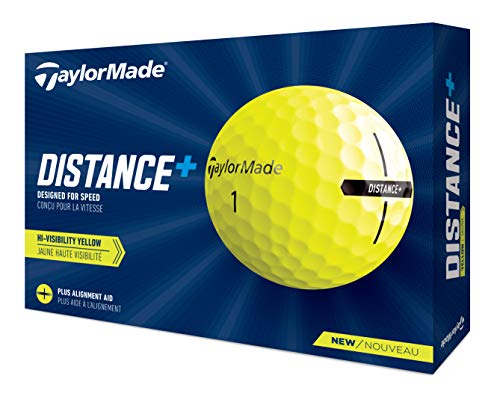
Below you’ll find a curated list of the best golf balls for new players, powered by Amazon’s live product data. Each option has been selected for its forgiveness, feel, and value. Click on any product to view the latest price and start building a bag that works for your game.
Remember, even the best ball can’t fix a poor setup. Pair your new balls with solid scoring basics to see your scores drop faster.
Final Thoughts
Finding the best golf balls for beginners doesn’t have to be complicated. Start with a low-compression, two-piece ionomer ball from a reputable brand. Focus on making clean contact, and upgrade to a more specialized ball once you’ve developed a repeatable swing. With the right ball in your bag, you’ll gain confidence, lose fewer strokes, and enjoy the game far more.