Used Swing Plane Trainer for Sale: A Complete Buyer's Guide
Ready to sharpen your swing path without paying flagship-tier rates? This guide explains exactly what to look for when shopping for a pre-owned swing plane trainer, which tiers hold up over time, and how to buy with confidence from private sellers and resale marketplaces.
Jump to Buying ChecklistWhy this guide matters: A swing plane trainer is one of the few practice aids that gives immediate, physical feedback on your club path. Buying one pre-owned lets you access mid-range or even top-tier build quality for the outlay of an entry-level unit — provided you know how to evaluate condition. Below you will find model-tier comparisons, a detailed inspection checklist, seller-vetting tips, and answers to the questions buyers ask most often.
What a Swing Plane Trainer Does
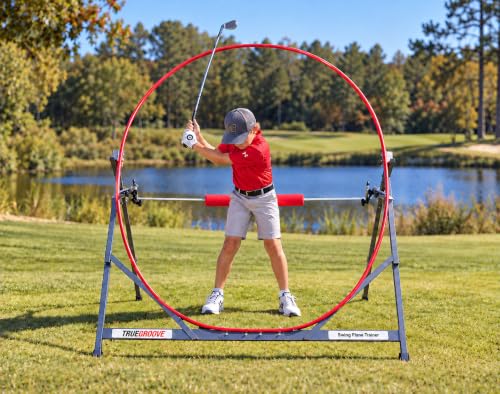
A swing plane trainer is a physical guide that constrains or channels the clubhead along a preferred path through impact and the follow-through. Unlike video analysis or launch monitor data, which tell you what happened after the fact, a plane trainer gives you real-time tactile feedback — you feel immediately when the club drifts off plane, whether that means coming over the top, getting stuck underneath, or losing width in the backswing.
Most designs fall into one of three families:
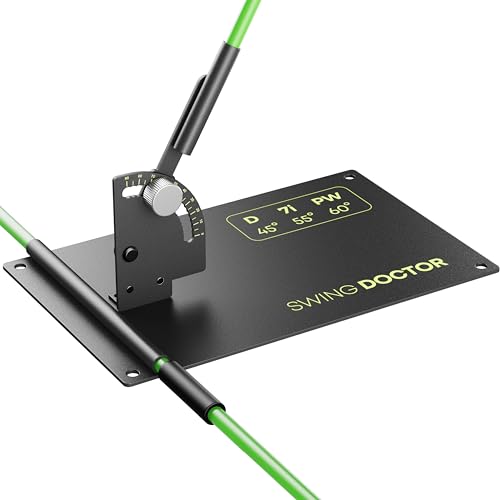
- Rail-based guides: A physical track or hoop that the clubhead or shaft must travel along. These provide the strongest feedback and are the most common design among mid-range and high-end tier trainers.
- Gate and arc systems: Alignment rods, gates, or arcs that define the correct swing path without physically constraining the club. These are popular with players working on swing fundamentals because they encourage feel rather than force.
- Connected-arm and wrist aids: Smaller devices that keep the arms and clubface in a consistent relationship, reinforcing plane indirectly. These often pair well with a swing tempo trainer for a complete practice station.
Because the feedback is immediate, plane trainers are especially useful for players trying to eliminate a slice or a hook, or for anyone rebuilding their swing after a layoff. They are also a staple of training aids collections because they address one of the most stubborn faults in amateur golf: an inconsistent path through impact.
Why Buy a Pre-Owned Swing Plane Trainer
Swing plane trainers are built to be hit. That means the used market is full of units that have been through a season or two of range sessions but remain structurally sound. Buying pre-owned offers several practical advantages:
- Access to a higher tier: A pre-owned mid-range or top-tier trainer often costs the same as a new entry-level device, giving you smoother adjustment mechanisms, sturdier rails, and better long-term durability for the same outlay.
- Proven designs: The best-selling plane trainers have been refined over multiple generations. A used unit from a mature product line usually has the kinks worked out.
- Lower risk for a trial: If you are unsure whether a plane trainer fits your practice style, a pre-owned unit lets you test the concept with less commitment. If it does not suit you, the resale loss is smaller.
- Long-term investment: A well-maintained device with high-grade steel or reinforced polymer construction can serve you for years. Many buyers treat a quality used trainer as a worthwhile investment rather than a disposable gadget.
The key is knowing how to separate a well-kept unit from one that has been abused. That is what the rest of this guide covers.
Trainer Tiers Compared: Entry-Level to Professional-Grade
To evaluate a used swing plane trainer, it helps to understand where it sits in the market. The table below uses universal tier descriptors — not figures — so you can compare models on build quality, adjustability, and intended user.
| Tier | Typical Build | Adjustability | Best For | Used-Market Notes |
|---|---|---|---|---|
| Entry-level | Lightweight polymer or thin-gauge tubing | Fixed or limited adjustment | Beginners learning a repeatable path | Inspect closely for hairline cracks and loose joints; wear shows faster than on higher tiers |
| Mid-range | Reinforced polymer with steel guide rails | Multiple adjustment points | Intermediate players refining path and face control | Best balance of durability and resale availability; verify adjustment locks still hold firmly |
| High-end tier | High-grade steel frame, precision-machined fittings | Fine-grained, repeatable adjustments | Serious amateurs and low handicappers | Holds up well over time; check for bent rails and stripped threads |
| Professional-grade | Heavy-duty steel, commercial-grade joints | Full-range, tool-assisted calibration | Coaches, academies, and dedicated practice facilities | Usually sold by coaches or facilities; ask about service history and replacement-part availability |
A useful rule of thumb: a mid-range model typically offers noticeably smoother mechanisms and more stable rails than an entry-level unit, while a high-end tier device adds precision that matters most once your path is already reasonably consistent. For most recreational players shopping the used market, the mid-range tier represents the sweet spot — well-specified for the category and competitive within its class.
The Pre-Purchase Inspection Checklist
Whether you are buying from a private seller, a resale marketplace, or a golf shop's clearance rack, run through the following checks before you commit. Ask the seller for close-up photos or a short video if you cannot inspect the device in person.
Structural Integrity
- Inspect guide rails for bends, dents, or flat spots — even a slight bow changes the feedback the trainer provides.
- Check welded or bolted joints for cracks, rust, or looseness. A rust-proof finish should still be intact on steel components.
- Confirm the base is flat and stable. A wobbling base makes the trainer useless for repeatable feedback.
Adjustment Mechanisms
- Move every adjustment point through its full range. Knobs, levers, and locking pins should engage firmly and release smoothly.
- Check for stripped threads on any screw-in fittings. Replacement parts can be hard to source for discontinued models.
- Verify that the trainer holds its setting during a swing. Loose locks are the most common failure point on used units.
Completeness
- Confirm all original components are present: guide rails, connectors, alignment rods, base plate, and any supplied tools.
- Ask whether the instruction manual or setup guide is included. Many manufacturers publish these online, but having them on hand speeds up the learning curve.
- For connected-arm or wrist aids, check that straps and clips are not stretched or frayed.
Evidence of Use
- Light scuffing on impact surfaces is normal; deep gouges or misshapen contact points suggest heavy or careless use.
- Ask how often the trainer was used and whether it was stored indoors. Units kept in garages or sheds may show corrosion.
- Request a short video of the device being set up and swung through. This reveals more than a dozen still photos.
How to Vet a Seller Before You Commit
The device matters, but the seller matters just as much. A well-photographed listing from an unreliable seller can cost you more time than a plain listing from a careful one. Use these steps to reduce risk:
- Check the return policy: Platforms with buyer protection and a clear return window are worth favoring over anonymous classifieds with no recourse.
- Read the listing carefully: Look for specific language about condition, history of use, and any missing parts. Vague listings ("good condition") are a yellow flag.
- Ask targeted questions: "Does the guide rail sit flat on a level surface?" and "Do all adjustment locks hold during a swing?" are better than "Is it in good shape?"
- Request additional media: A short video of the device in use is the single best piece of evidence you can get before buying.
- Cross-check the model: Look up the exact model to confirm it matches the description and to check whether replacement parts are still available. If you are comparing against new options, browse the broader training aids category to see how the model fits the current lineup.
- Pay through a protected channel: Avoid off-platform payment requests. Buyer protection is your main safeguard if the item does not match the description.
If you are also shopping for other pre-owned practice equipment, similar vetting principles apply to used golf clubs and other resale gear.
Getting the Most From Your Used Trainer
Once the trainer is in your hands, a few habits will help you extract real improvement rather than just repetitions:
Start with slow, deliberate swings
Plane trainers reward control, not speed. Begin with half-speed swings and focus on feeling the club travel along the intended path. Only add speed once the motion feels repeatable without conscious effort. This is the same principle behind effective swing fundamentals work.
Pair path work with tempo work
Path and rhythm are closely linked. Alternating sets on a plane trainer with sets using a swing tempo trainer helps you build a swing that is both on-plane and smooth.
Use video or a launch monitor for feedback
A plane trainer tells you about feel; a camera or launch monitor tells you about reality. Filming your swing from down-the-line and face-on angles, or checking ball-flight data with a swing analyzer, confirms whether the improved path is translating into better contact and ball flight.
Build a short, repeatable practice routine
Ten to fifteen focused minutes with a plane trainer is more productive than an hour of unfocused swings. A simple routine — five slow rehearsals, five half-speed swings, five full swings — keeps the feedback loop tight and prevents fatigue from degrading your mechanics.
Reinforce the mental side
Visualization pairs naturally with plane training. Before each set, picture the club traveling along the guide. This mental rehearsal technique is covered in more depth in our guide to visualization in golf.
Common Pitfalls to Avoid
Watch out for these: Buying a discontinued model with no available replacement parts; purchasing a unit with bent rails because the seller photographed it from a flattering angle; and choosing a professional-grade device when an entry-level or mid-range trainer would better match your current skill level. A trainer that is too complex for your stage of development often ends up unused — the best device is the one you will actually practice with.
Also be cautious of listings that describe a device as "like new" without supporting photos or video. Condition claims are easy to make and hard to verify after the fact. When in doubt, ask for more evidence or wait for a better listing.
Finally, remember that a plane trainer is a practice tool, not a quick fix. Expecting immediate on-course results leads to frustration. Give yourself several weeks of consistent, focused sessions before judging whether the device is helping.
Ready to Compare Options?
Browse the recommended equipment section below to explore swing plane trainers and related practice gear across multiple tiers, then use the checklist above to evaluate any pre-owned unit you find.
Explore Recommended EquipmentFrequently Asked Questions
What should I check before buying a used swing plane trainer?
Inspect the guide rails for bends, check that all adjustment points move freely, confirm the base is stable, and verify that no parts are missing. Ask the seller for close-up photos and a short video of the device in use.
Are used swing plane trainers durable enough for regular practice?
Most mid-range and top-tier swing plane trainers use high-grade steel or reinforced polymer, so a well-maintained pre-owned unit can last for years. Entry-level models tend to show wear sooner, so inspect those more carefully.
Which swing plane trainer tier suits a beginner?
Beginners usually do well with an entry-level or essential tier trainer that focuses on a simple, repeatable path. Intermediate players often benefit from a mid-range model with adjustable guides and feedback features.
Can a swing plane trainer help with swing tempo?
Yes. Many plane trainers encourage a smooth, connected motion, which supports tempo work. Pairing a plane trainer with a tempo-focused aid can reinforce both path and rhythm.
How do I verify a seller before purchasing a pre-owned trainer?
Look for sellers with clear return policies, verified reviews, and detailed listings. Request additional photos, ask about the history of use, and confirm that the item matches the description before completing the purchase.