True Pendulum Motion Golf Putting Trainer: Build a Repeatable Stroke
Discover how a true pendulum motion golf putting trainer removes wrist breakdown, grooves a shoulders-driven arc, and turns inconsistent putting into a dependable, score-lowering skill.
Explore How It WorksWhy the pendulum matters: Putting accounts for roughly forty percent of all strokes in a typical round, yet most golfers practice it least. A true pendulum motion golf putting trainer isolates the one movement that repeats under pressure — the rocking of the shoulders — so your stroke becomes a reliable, repeatable arc instead of a handsy guess.
What Is a True Pendulum Motion Golf Putting Trainer?
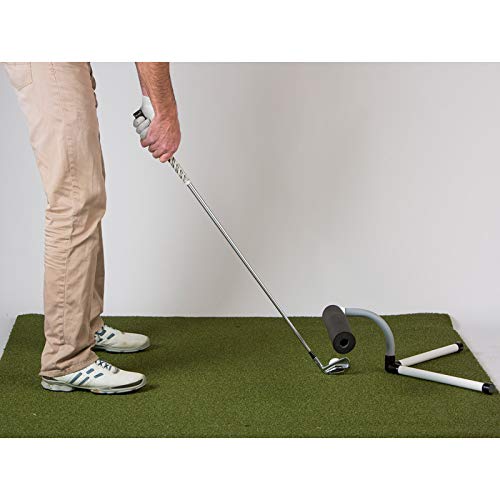
A true pendulum motion golf putting trainer is a practice device that physically guides your putter along the natural arc created when the arms and shoulders rock as a single unit. Unlike a simple alignment stick, these trainers typically feature a rail, arc guide, or hinged gate that restricts unwanted hand and wrist rotation. The result is a stroke that travels back and through on the same path — the definition of a pendulum.
The concept borrows from physics: a pendulum swings in a fixed arc under gravity. When a golfer keeps the wrists quiet and lets the shoulders drive the motion, the putter head traces the same predictable arc on every stroke. That predictability is what converts a nervous three-footer into a confident tap-in. To deepen the fundamentals behind this motion, review our swing fundamentals and putting tips guides, which explain how the same principles apply from driver to putter.
How the Trainer Works: Mechanics and Feedback
Most true pendulum putting trainers share three core mechanisms. First, a guide rail or arc template constrains the putter head so it cannot drift off-plane. Second, a wrist lock or hinge component prevents the hands from flipping through impact. Third, an alignment reference keeps the putter face square to the intended line throughout the stroke. Together, these elements give immediate physical feedback: if you break the arc or flip the wrists, you feel it instantly.
That instant feedback is the training tool's real advantage. On a real green, a poor stroke can still produce a decent result by luck, which hides the flaw. A guided trainer removes luck from the equation. You cannot fake a pendulum motion when the rail is physically limiting your path. Over repeated sessions, the feel of the correct arc transfers to your free stroke. Pair this with a swing analyzer session to measure consistency numbers, and you have a complete feedback loop.
Key Benefits for Your Putting Game
Eliminates Wrist Breakdown
The guide physically prevents the flick that causes inconsistent face angle and sprayed putts under pressure.
Grooves Distance Control
A repeatable arc produces a repeatable roll. When the path is consistent, length becomes a matter of backswing size alone.
Builds Shoulder-Driven Motion
The trainer forces the large muscles to do the work, reducing small-muscle interference and yips-related twitches.
Instant Visual Feedback
Misalignment and off-plane strokes are immediately visible, so every practice rep teaches the correct pattern.
Transfers to the Course
The feel of the guided arc becomes your reference point on the green, where no trainer is present.
Works for All Skill Levels
Beginners learn the stroke from scratch, while experienced players refine face control and tempo.
Choosing the Right Trainer Tier
Pendulum putting trainers vary in construction complexity. Rather than comparing figures, compare tiers: each level adds refinement in materials and adjustability. The table below maps common categories to the golfer they suit best.
| Tier | Typical Construction | Best For |
|---|---|---|
| Essential tier | Simple arc mat or alignment gate with a basic wrist strap; lightweight materials | Beginners learning the basic shoulder rocking motion |
| Balanced tier | Adjustable rail guide with a hinged putter attachment and reinforced frame | Mid-handicap golfers refining path and face control |
| Top-tier | Precision-machined arc system, adjustable width, and premium materials for long-term use | Low-handicap players and serious practice routines |
| Professional-grade | Tour-style training station with multi-angle feedback and durable, heavy-duty build | Teaching pros, academies, and dedicated competitors |
A mid-range model usually offers a smoother, more adjustable arc mechanism than an entry-level unit, which matters if you practice daily. For players working on broader tempo, our guide to swing tempo trainers pairs naturally with pendulum putting work, since both emphasize rhythm over force.
Practice Routine: Five Steps to a Repeatable Stroke
A trainer only pays off with structured repetition. Follow this sequence in ten to fifteen minute sessions, several times per week:
- Set up square. Align the trainer with your intended line, then take your normal posture with eyes over the ball. Confirm the putter face sits square against the guide reference.
- Lock the wrists and rock. Make ten slow strokes letting only the shoulders move. Feel the putter head travel back and through along the rail without hand manipulation.
- Vary backswing length. Hit five strokes with a short backswing, five with medium, and five with long. Notice how the guided arc keeps the path identical while distance changes.
- Add a gate drill. Place two tees just wider than the putter head at the start of the arc. Make strokes that pass cleanly through the gate, reinforcing a centered strike.
- Transfer to a free stroke. Remove the trainer and hit ten putts while recalling the guided feel. Use a putting tips routine to check alignment and tempo before each stroke.
Who Should Use a Pendulum Putting Trainer?
The trainer suits virtually any golfer, but three groups gain the most. Beginners benefit because the guide teaches the correct stroke before bad habits form. Mid-handicap players benefit because the enforced arc exposes small flaws — a shut face, an out-to-in path — that cost strokes without being obvious. Players battling inconsistent short putts benefit because the wrist lock removes the twitchy hand action that causes misses inside six feet.
Experienced competitors also use pendulum trainers as a warm-up tool before rounds, since a few guided strokes recalibrate the feel of a shoulders-driven motion. If you are building a broader practice setup, our training aids hub covers complementary equipment, and golf for beginners explains how putting practice fits into an overall improvement plan.
Frequently Asked Questions
What is a true pendulum motion golf putting trainer?
It is a practice aid that guides your putter along the natural arc created when the arms and shoulders rock as one unit. A rail or hinge prevents wrist flipping so the stroke repeats consistently.
Who should use a pendulum putting trainer?
Golfers of every level benefit. Beginners learn the correct motion before bad habits form, while experienced players refine face control and distance consistency.
How often should I practice with a pendulum putting trainer?
Short daily sessions of ten to fifteen minutes beat long weekly sessions. Frequent, focused reps build the muscle memory that makes the motion automatic on the course.
Can a pendulum trainer fix my putting yips?
Many golfers report fewer yips because the guide enforces a smooth, wrist-free motion. It is a training tool rather than a medical treatment, so pair it with professional instruction if symptoms continue.
Does the trainer work for both right- and left-handed golfers?
Most modern trainers are ambidextrous or sold in dedicated left-handed versions. Confirm the specification before buying to ensure the model suits your dexterity.
Final Thoughts: Turning Practice Into Lower Scores
A true pendulum motion golf putting trainer is one of the simplest yet most effective tools you can add to your practice bag. It removes the guesswork from the stroke, provides instant feedback on path and face angle, and builds the shoulder-driven rhythm that holds up under pressure. The key is structured use: short sessions, deliberate reps, and a transfer routine that carries the guided feel onto the course.
Combine your putting work with broader game improvement. Our beginner golf guide and swing tempo trainers articles explain how tempo and fundamentals reinforce each other across every club. With consistent practice, the pendulum motion becomes second nature — and those three-footers start dropping with confidence.