Used Left Putters for Sale: The Smart Golfer's Guide
Discover how pre-owned left-handed putters can deliver professional-grade performance on the green without the flagship-tier expenditure. Your complete buying guide starts here.
START YOUR RESEARCHWhy Consider a Pre-Owned Left Putter? Left-handed golfers often face a narrower selection of new equipment compared to right-handed players. The pre-owned market opens up a world of premium and professional-grade putters from top brands — models that may no longer be in production or that originally sat in higher tier categories. With careful inspection, a used left putter can be a long-term investment in your short game.
Understanding the Pre-Owned Left Putter Market
The market for used left-handed putters has matured significantly. Dedicated golfers who upgrade frequently create a steady supply of well-maintained equipment, from entry-level models ideal for beginners to professional-grade flatsticks that once belonged to competitive amateurs. For left-handed players, this is particularly valuable because retail shelves often stock fewer left-handed options.
When shopping for a used left putter, you are not compromising on quality — you are making a strategic choice. Many mid-range and premium putters from established brands are built with durable construction and premium materials that hold up beautifully over years of play. The key is knowing what to inspect and which tiers deliver the best relative performance.
Why Left-Handed Golfers Choose Pre-Owned Putters
Wider Selection
The pre-owned market dramatically expands the models available to left-handed golfers, including discontinued favorites and tour-inspired shapes that are otherwise difficult to find new.
Access to Higher Tiers
Pre-owned shopping lets you explore premium and professional-grade putters that might have been out of reach at their original flagship-tier positioning, giving you better materials and craftsmanship for your game.
Proven Performance
A putter that has already seen course time has a track record. You can often find reviews and community feedback on specific models, helping you make a more informed decision.
Environmentally Sound
Choosing pre-owned equipment keeps quality golf gear in circulation and reduces waste — a sensible choice for the environmentally conscious golfer.
Types of Used Left Putters: Find Your Match
Left-handed putters come in several head shapes and designs, each suited to different strokes and preferences. Understanding these categories will help you narrow your search.
Blade Putters
Blade putters feature a compact, traditional head shape with weight concentrated behind the sweet spot. They appeal to golfers with an arcing stroke who value feel and workability. Pre-owned blade putters from mid-range and premium tiers are plentiful, making them an excellent entry point for left-handed players exploring different styles.
Mallet Putters
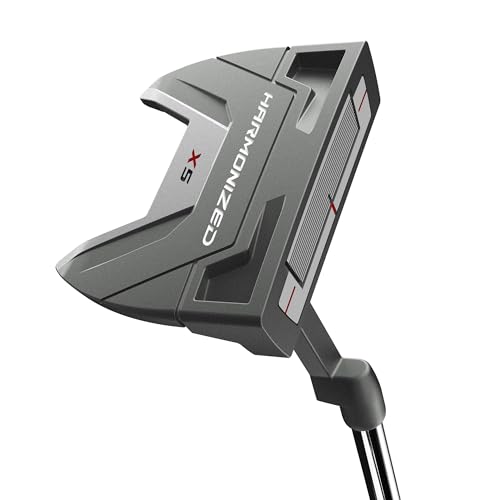
Mallet putters offer a larger footprint with weight distributed around the perimeter, creating higher MOI (moment of inertia) for greater forgiveness on off-center strikes. They often include alignment aids that help with consistent setup. For left-handed golfers seeking stability, a used mallet putter from the mid-range or high-end tier is a strong candidate.
Center-Shafted Putters
Center-shafted designs position the shaft directly behind the sweet spot, reducing torque and promoting a straight-back, straight-through stroke. These are particularly helpful for golfers working on consistency. If you are considering this style, explore center-shaft mallet putter covers to protect your investment.
Broomstick and Long Putters
Long putters and broomstick models offer an alternative anchoring style that some golfers find more stable. The pre-owned market is one of the best places to find these specialized designs, as new availability can be limited. Check out the selection of used broomstick putters for sale if this style interests you.
Tier Classification: Understanding Putter Quality Levels
To help you navigate the pre-owned market without referencing specific figures, we use a universal tier system. This classification reflects a putter's relative position in the market based on materials, craftsmanship, and feature set.
| Tier | Best For | Key Characteristics |
|---|---|---|
| Entry-Level | Beginners and casual golfers | Solid build, basic alignment features, reliable performance for learning the stroke |
| Mid-Range | Improving players and regular weekend golfers | Better materials, refined weighting, enhanced forgiveness, and improved feel |
| Premium | Serious amateurs and competitive players | High-grade materials, precision milling, advanced weight distribution, tour-inspired designs |
| Professional-Grade | Low-handicap and tournament golfers | Flagship-tier craftsmanship, exceptional feel, fine-tuned weighting, and premium finishes |
When browsing used left putters, you will encounter models across all these tiers. A mid-range putter from a few seasons ago often delivers performance that rivals today's entry-level new models, making pre-owned shopping a smart way to access better craftsmanship within your preferred tier.
What to Inspect on a Used Left Putter
Before finalizing any pre-owned purchase, conduct a thorough inspection. Whether you are buying in person or online, these checkpoints will protect your investment.
- Putter Face: Look for excessive wear, dents, or gouges. Minor cosmetic wear is normal, but deep damage affects performance.
- Shaft Integrity: Check for bends, rust, or pitting. A straight shaft is essential for consistent ball roll.
- Grip Condition: Worn or slick grips reduce control. Factor in the possibility of needing a replacement grip — see our guide to putter grips for options.
- Head-Shaft Connection: Ensure the head is securely attached with no wobble or separation.
- Lie Angle and Loft: Confirm these specifications suit your stroke. If uncertain, a professional putter fitting can help.
- Alignment Aids: Verify that any alignment lines or dots are intact and not worn away.
- Headcover Inclusion: A included headcover is a bonus for protecting your putter. If missing, consider a replacement.
Matching Your Used Left Putter to Your Stroke
The best putter for you depends on your stroke type, typical miss pattern, and personal preference. Here is a practical framework:
Arcing Stroke
Blade putters with moderate toe hang complement a naturally arcing stroke. These designs allow the face to open and close smoothly through impact.
Straight-Back, Straight-Through
Face-balanced mallet putters suit a straight stroke. Their perimeter weighting keeps the face stable and reduces twisting on off-center hits.
Consistency Seekers
High-MOI mallets with prominent alignment aids help golfers who struggle with start-line consistency. Look for mid-range to premium models with these features.
Feel-Focused Players
Milled faces and premium materials deliver exceptional feedback. Pre-owned premium and professional-grade putters often feature these characteristics.
If you are still refining your stroke, explore resources on putting alignment and putting arcs to better understand what suits you. For practice at home, consider putting gates to groove a consistent path.
Where to Find Used Left Putters for Sale
The pre-owned golf market offers several avenues for left-handed golfers. Dedicated online marketplaces, specialty golf retailers with trade-in programs, and peer-to-peer platforms all list used left putters. When browsing, prioritize sellers who provide detailed photos, clear condition descriptions, and a return policy.
For those exploring broader pre-owned options, the selection of second-hand golf clubs includes putters and full sets. If you are building a bag from scratch, used clubs can be a sensible starting point. Golfers focused on forgiveness may also appreciate guidance on second-hand golf clubs for high handicappers.
Ready to Upgrade Your Short Game?
Explore our curated selection of pre-owned left putters below. Each listing is sourced from reputable sellers with clear descriptions, so you can shop with confidence.
VIEW AVAILABLE PUTTERSCaring for Your Pre-Owned Left Putter
A used putter that is well cared for will deliver reliable performance for many seasons. Follow these simple maintenance practices:
- Wipe the head and face after each round to remove dirt and moisture.
- Store your putter in a headcover when not in use to prevent dings and scratches.
- Check the grip periodically and replace it when it becomes slick or worn.
- Avoid leaving your putter in extreme heat or moisture, which can affect the shaft and grip.
- Inspect the face and shaft every few months for signs of wear or damage.
Frequently Asked Questions
Is it safe to buy a used left-handed putter online?
Yes, buying a used left putter online is generally safe when you buy from reputable sellers with clear return policies and detailed product photos. Always check the grip condition, face wear, and shaft integrity before purchasing.
What should I check on a used left putter before buying?
Inspect the putter face for excessive wear or dents, check the shaft for bends or rust, verify the grip condition, and confirm the lie angle and loft are suitable for your stroke. Also ensure the head is securely attached to the shaft.
Are used left putters as good as new ones?
A well-maintained used left putter can perform just as well as a new one. Premium and mid-range putters from reputable brands retain their performance for years, making pre-owned options a smart choice for golfers seeking quality without the top-tier expenditure.
What type of used left putter is best for beginners?
Beginners typically benefit from mallet-style putters with high MOI and alignment aids. These features provide forgiveness on off-center strikes and help develop a consistent stroke. Look for entry-level to mid-range models from established brands.
How do I determine the right length for a used left putter?
Standard putter length is 34-35 inches for most adults. To find your ideal length, address the ball with your eyes directly over the ball or slightly inside the target line. Your arms should hang naturally with a slight bend. Taller golfers may need 35-36 inches, while shorter golfers may prefer 32-34 inches.
Continue Your Golf Journey
Beyond putters, explore our expert resources to sharpen every aspect of your game. Learn the basic fundamentals of the golf swing, discover the perfect golf swing for beginners, and find the best golf ball for a slow swing. If you are working on your short game, our guides to pitching technique and flexibility exercises will help you build a more reliable, injury-free game.