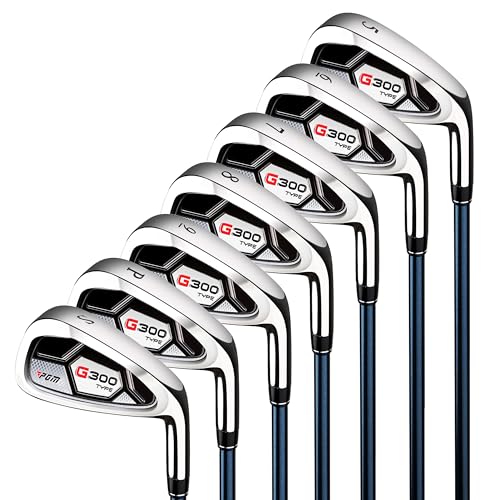
Golf Irons for Mid Handicappers: Find Your Perfect Set
Everything you need to know before buying your next set of irons. Discover the forgiveness, distance, and consistency features that help mid handicappers break through to the next level.
START THE BUYING GUIDEWhy this guide matters: Mid handicappers sit in a unique position. You already have a repeatable swing, but you still benefit from forgiveness on off-center strikes. The wrong iron set can stall your progress; the right one can shave strokes off your scores. This guide breaks down exactly what to look for, which iron category fits your game, and how to make a confident purchase.
Understanding the Mid Handicapper Profile
Before you shop, it helps to understand where you sit in the golfing spectrum. Mid handicappers typically carry a handicap index in the teens to low twenties. You likely play once or twice a week, have a repeatable swing, and strike the ball cleanly most of the time. However, your misses still cost you strokes — usually a slight fade or a thin shot that loses distance.
This profile is exactly why game improvement irons and players distance irons dominate the recommendations for this category. These clubs combine a larger sweet spot with enough feedback to help you keep improving, rather than masking every mistake the way super game improvement irons might. If you are coming from a higher handicap, our guide to golf irons for high handicappers can help you see how the categories progress.
One more consideration: as your ball striking improves, you may feel ready to move toward a more compact head. That is where forgiving irons with a players-style look become attractive. The key is to match the club to your current game, not the game you hope to have two years from now.
What Makes an Iron Ideal for Mid Handicappers?
Mid handicappers need a specific blend of performance traits. Too much forgiveness and you lose the feedback needed to improve. Too little forgiveness and your misses become penalizing. Here are the features that matter most:
Perimeter Weighting
Weight moved to the heel and toe expands the sweet spot, so slight misses still fly straight and carry distance.
Moderate Offset
A small amount of offset helps square the face at impact and reduces the slice tendency many mid handicappers fight.
Wider Sole Design
A slightly wider sole helps the club glide through the turf, reducing fat shots and improving consistency on approach shots.
Stronger Lofts
Modern game improvement irons use stronger lofts to maintain distance while the higher launch keeps the ball flight playable.
Forged Feel Options
Several players distance irons use forged faces for a softer feel while retaining the forgiveness of a cavity-back design.
Shaft Weight Fit
Steel shafts in the mid-weight range suit most mid handicappers, while lighter graphite options help those with slower swing speeds.
Pro tip: Do not chase the longest iron on the launch monitor. Prioritize dispersion and consistency. A club that flies five yards shorter but lands on the green more often is the better purchase for a mid handicapper.
Game Improvement vs. Players Distance Irons
Two categories dominate the mid handicapper market, and understanding the difference is the most important decision you will make:
Game Improvement Irons
These are the workhorses of the mid handicap category. They offer larger heads, more offset, and hollow or cavity-back constructions that deliver easy launch and strong forgiveness. They suit players who prioritize consistency and distance control over workability. The best game improvement irons feel powerful without looking oversized at address.
Players Distance Irons
A hybrid category that blends a compact, player-preferred shape with modern distance technology. These irons offer a softer feel, tighter dispersion, and more workability than pure game improvement models, making them ideal for mid handicappers with improving ball striking. They are typically positioned as premium or high-end options in the market.
If you are not sure which camp you fall into, consider your typical miss. A slice or fat shot points toward game improvement irons. If your miss is a slight pull or thin strike and you value feel, players distance irons may be the better long-term fit. The golf clubs section of our site provides additional context on iron construction and category differences.
Key Features to Compare Before Buying
When you compare iron sets, use a consistent framework. The table below outlines the traits that matter most for mid handicappers and how they affect performance:
| Feature | Why It Matters | Best For |
|---|---|---|
| Head Shape | Affects confidence at address and forgiveness | Mid-size heads suit most mid handicappers |
| Offset | Helps square the face and reduce slices | Players fighting a left-to-right miss |
| Sole Width | Improves turf interaction and reduces fat shots | Steep swing types and softer conditions |
| Loft | Balances distance with playable launch | Players seeking consistent carry distances |
| Shaft Material | Influences weight, feel, and launch | Steel for control; graphite for speed |
| Grip Size | Affects hand tension and release | Standard to midsize for most players |
Building a Set: Which Irons Do You Actually Need?
Modern iron sets rarely run from a 3-iron through pitching wedge. Most mid handicappers benefit from a set that starts at the 5-iron or 6-iron and blends into hybrids or fairway woods at the top end. This setup is more forgiving and easier to launch consistently.
A typical mid handicapper set might look like this:
- Long irons replaced by hybrids: A 4-hybrid or 5-hybrid is easier to launch than a long iron and offers better distance gapping.
- Mid irons (5-7): The scoring clubs that should prioritize accuracy and consistent carry distances.
- Short irons (8-PW): Precision tools for approach shots and scoring opportunities.
- Wedges: A gap wedge fills the space between your pitching wedge and sand wedge, making it a valuable addition for full-swing approach shots.
If you play on courses with thick rough or firm fairways, pay attention to the sole design of your mid and short irons. A versatile sole helps you control trajectory and spin from a variety of lies.
Shaft Selection: Steel vs. Graphite for Mid Handicappers
Shaft choice influences more than most golfers realize. Steel shafts in the 95-115 gram range remain the standard for mid handicappers because they offer control and a stable feel. However, if your swing speed has declined or you experience joint pain, a lightweight graphite shaft can improve launch and reduce fatigue.
Modern graphite iron shafts have closed the performance gap with steel. Premium graphite options now offer tight dispersion and consistent weight, making them a legitimate choice for mid handicappers who value comfort. Always test both options during a fitting before committing.
For players working on flexibility and swing mechanics, pairing iron practice with a golf stretching routine and flexibility exercises can improve your ability to repeat a consistent swing, which ultimately gets more out of any iron set.
How to Get Fitted for Irons
A professional fitting is the single best investment a mid handicapper can make. It removes guesswork and ensures your irons match your swing speed, lie angle, and shot tendencies. Here is what to expect:
- Warm-up and baseline: Hit your current clubs to establish a baseline for distance, dispersion, and launch.
- Lie angle check: The fitter checks the sole of your club to confirm the lie angle matches your posture.
- Shaft testing: You will try several shaft weights and flexes to find the combination that produces the tightest dispersion.
- Head comparison: Compare two or three iron models in the same category to see which produces the best results.
- Gapping analysis: Review the carry distances between clubs to ensure proper spacing through the set.
Bring your current irons to the fitting so the fitter can compare data directly. If you are also considering a new driver, our golf technology guides cover launch monitors and fitting tools that can help you understand the data.
Budget-Friendly vs. Premium Options
Iron sets span a wide range of market tiers, and each tier offers different trade-offs:
- Budget-friendly: Previous-generation models and entry-level game improvement sets offer solid forgiveness at accessible tier positioning. These are ideal if you are upgrading from a starter set.
- Mid-range: Current-season game improvement irons from major brands typically sit in this tier and offer the best balance of performance, technology, and longevity.
- Premium: Players distance irons with forged faces and advanced weighting systems occupy the premium tier, offering a softer feel and tighter dispersion.
- Luxury: Tour-inspired cavity-back irons and limited-edition finishes sit in the luxury tier, aimed at low handicappers and collectors.
For most mid handicappers, the mid-range tier delivers the best value. Technology trickles down quickly, so a current mid-range set often outperforms a premium set from several seasons ago.
Care and Maintenance for Longevity
Your irons will last for years with basic care. Wipe the faces and grooves after every round to prevent dirt from dulling spin performance. Check grip wear every season; worn grips force you to squeeze harder, which adds tension and reduces consistency. Regripping is an inexpensive way to refresh the feel of a set you already love.
Store your clubs in a dry place and use headcovers if you transport them frequently. A clean, well-maintained set inspires confidence and performs more consistently over time.
Frequently Asked Questions
What are the best golf irons for mid handicappers?
The best irons for mid handicappers balance forgiveness, distance, and feel. Game improvement and players distance irons are ideal because they offer perimeter weighting, larger sweet spots, and moderate offset to help with consistency.
Should mid handicappers use game improvement or players irons?
Most mid handicappers benefit from game improvement irons or players distance irons. These provide the forgiveness needed for off-center strikes while still offering workability and a pleasing feel as your ball striking improves.
How often should a mid handicapper replace their irons?
Most mid handicappers should consider new irons every three to five years, or when their swing speed, ball striking, or game goals change significantly. A professional fitting can confirm whether your current irons still match your game.
Do mid handicappers need a gap wedge?
A gap wedge is a valuable addition for most mid handicappers because it fills the distance gap between the pitching wedge and sand wedge. It makes full-swing approach shots more controllable and improves short-game versatility.
Is a fitting worth it for mid handicappers?
Yes. A fitting confirms your lie angle, shaft weight, and head model, all of which affect consistency. It is one of the most cost-effective ways to improve your iron play without changing your swing.
Final Thoughts
Choosing the right irons is one of the most impactful equipment decisions a mid handicapper can make. Focus on forgiveness in your miss pattern, prioritize dispersion over raw distance, and invest in a professional fitting. The right set will not transform your swing overnight, but it will reward your good shots and keep your misses in play.
Once your irons are dialed in, complement them with a stand bag with full-length dividers to keep your clubs organized, and consider a practice net with a hitting mat for home practice between rounds. For additional equipment guidance, explore our golf gear section and golf tips and guides for swing improvements that pair with your new irons.