Golf Irons for High Handicappers: The Complete Forgiveness Guide
Discover which irons actually help high handicappers hit straighter, higher, and more consistent shots — and how to choose the right set for your game.
SEE RECOMMENDED IRONSQuick Summary: High handicappers benefit most from game improvement irons featuring cavity back designs, perimeter weighting, wide soles, and stronger lofts. These features maximize forgiveness on off-center hits, promote higher launch, and help you hit more greens in regulation — even on mishits.
Why High Handicappers Need Different Irons
If you're a high handicapper — typically scoring above 90 or shooting in the triple digits — your iron play is likely one of the biggest areas for improvement. Traditional blades and players' irons demand precise ball-striking, and any mishit results in lost distance, errant direction, and frustrating scores.
Golf irons for high handicappers are engineered differently. They prioritize forgiveness over workability and consistency over shot-shaping. The goal is simple: help you hit the ball solidly more often, launch it higher, and keep your misses playable. When you're trying to break 100 or 90 for the first time, these characteristics matter far more than the ability to curve a shot on command.
Understanding the differences between iron categories is essential before you buy. If you're also comparing options across skill levels, our guide to golf irons for mid handicappers can help you see what the next step up looks like.
Key Features to Look For in Forgiving Irons
Not all game improvement irons are created equal. When evaluating irons for high handicappers, focus on these design elements:
Cavity Back Design
A hollowed-out back cavity redistributes weight to the perimeter of the clubhead, creating a larger sweet spot and reducing distance loss on mishits.
Perimeter Weighting
Weight positioned around the edges of the clubhead increases stability and reduces twisting on off-center strikes, keeping shots straighter.
Wide Sole Design
A wider sole lowers the center of gravity, helping you launch the ball higher and get out of rough more easily — perfect for steep swing angles.
Stronger Lofts
Modern game improvement irons feature stronger lofts that help counteract slower swing speeds and produce more distance.
Offset
A slight offset (the leading edge set back from the hosel) helps square the face at impact and reduces slices — a common high-handicapper issue.
Graphite or Light Steel Shafts
Lighter shafts help generate more clubhead speed, which is especially beneficial for golfers with moderate or slower swing tempos.
Types of Irons for High Handicappers
There are two main categories of irons suited for higher handicaps. Understanding the distinction helps you narrow your search:
Game Improvement Irons
These are the most common choice for high handicappers. They offer a balance of forgiveness, distance, and a reasonably traditional look at address. They feature cavity back designs, moderate offset, and wide soles. Many include strong lofts for added distance. If you're looking for the golf irons with most forgiveness, this category is your best starting point.
Super Game Improvement Irons
These irons push forgiveness to the maximum. They feature extremely wide soles, significant offset, and often hybrid-like designs in the long irons. They're ideal for beginners, seniors, and golfers with slower swing speeds who struggle to get the ball airborne. Some sets even replace long irons with hybrids entirely.
Hybrid-Iron Sets
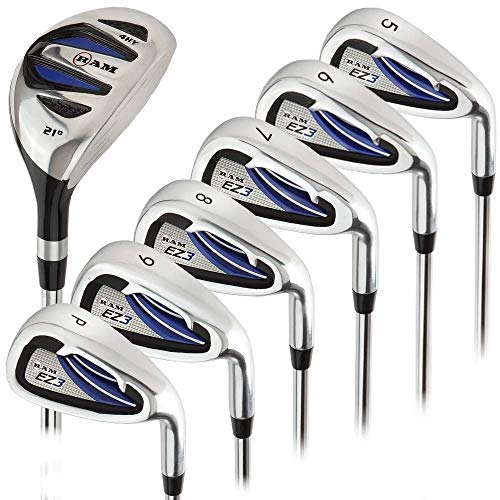
Many modern iron sets for high handicappers blend traditional short irons with hybrid long irons. This "combo set" approach gives you the forgiveness of hybrids in your long game (where it matters most) while retaining the precision of irons in your scoring clubs.
Iron Tier Comparison for High Handicappers
Irons fall into different quality tiers. Here's how they compare on key characteristics — without any pricing distractions:
| Tier | Forgiveness | Distance | Workability | Best For |
|---|---|---|---|---|
| Entry-Level | High | Moderate | Low | Beginners and new golfers |
| Mid-Range | High | High | Low-Moderate | High handicappers looking to improve |
| Premium | Moderate-High | High | Moderate | Improving high handicappers |
| Top-Tier | Moderate | Moderate-High | High | Low handicappers (not ideal for high HCP) |
For most high handicappers, the mid-range tier offers the best combination of forgiveness, distance, and value. Entry-level irons are a solid choice for absolute beginners, while premium models provide slightly better feel and aesthetics without sacrificing much forgiveness.
What About Shafts? Steel vs. Graphite
Shaft choice matters just as much as the clubhead for high handicappers. Here's what to consider:
- Steel shafts are more durable and provide better consistency for golfers with moderate-to-fast swing speeds. They're the traditional choice and remain popular in game improvement irons.
- Graphite shafts are lighter and help generate more clubhead speed. They're ideal for seniors, golfers with slower swing speeds, and anyone dealing with joint pain. Graphite technology has improved dramatically — modern graphite shafts offer excellent stability and consistency.
If you're unsure, consider a professional club fitting. Even a basic fitting can identify the right shaft flex, weight, and length for your swing.
How to Choose the Right Set for Your Game
Follow these steps to make a confident purchasing decision:
- Assess your swing speed. If you swing a driver below 85 mph, consider lighter graphite shafts and super game improvement irons. Faster swingers can handle steel shafts and standard game improvement models.
- Consider your typical miss. If you slice the ball, look for irons with more offset. If you hit thin shots, a wider sole will help. If you struggle with distance, stronger lofts and perimeter weighting are your friends.
- Decide on set composition. Most high handicappers benefit from a set that includes hybrids or hybrid-irons in the 3-5 iron range. You'll also want a pitching wedge and sand wedge to complete your scoring clubs. A gap wedge is worth adding if your set doesn't include one.
- Try before you buy. Whenever possible, test irons at a local golf shop or driving range. Hitting off a mat indoors is helpful, but seeing ball flight outdoors is invaluable.
- Don't overlook grips. Standard grips work for most, but if you have larger hands or play in humid conditions, consider midsize or oversized grips for better control.
Common Mistakes High Handicappers Make When Buying Irons
- Buying blades or players' irons because they look better in the bag. These clubs will punish mishits and make the game harder, not easier.
- Ignoring shaft flex. A stiff shaft in a high handicapper's hands can lead to low, right shots. Regular or senior flex is usually more appropriate.
- Skipping the long irons entirely. Many high handicappers struggle with 3- and 4-irons. Replacing them with hybrids is one of the smartest equipment decisions you can make.
- Overthinking loft gaps. Modern game improvement irons have stronger lofts, so your pitching wedge might be closer to a traditional 9-iron in loft. Be aware of your actual distance gaps and adjust your wedge setup accordingly.
Practice Tips to Maximize Your New Irons
Even the most forgiving irons won't fix a flawed swing. Pair your new equipment with focused practice:
- Work on golf flexibility exercises to improve your turn and consistency.
- Use alignment sticks during range sessions to groove your setup and swing path.
- Practice with purpose — focus on one swing thought at a time rather than trying to fix everything at once.
- Consider a golf training aid for swing path to reinforce proper mechanics.
- Don't neglect your short game. Most high handicappers lose more strokes around the green than from poor iron play.
Recommended Golf Irons for High Handicappers
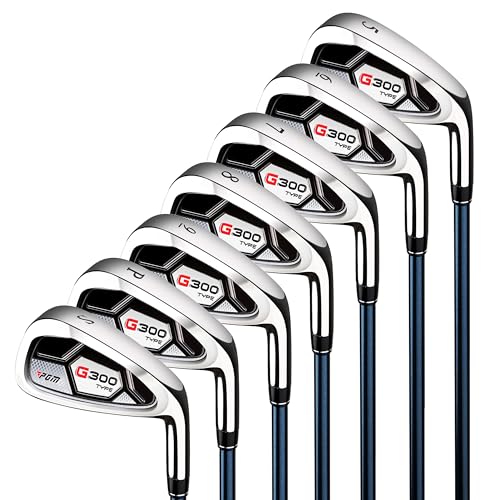
Below is a selection of highly regarded irons designed specifically for high handicappers. These models prioritize forgiveness, distance, and ease of use — exactly what you need to lower your scores.
Ready to Upgrade Your Irons?
Browse our top picks for forgiving, high-handicapper-friendly irons and start hitting more consistent shots today.
VIEW RECOMMENDED IRONSFrequently Asked Questions
What are the best golf irons for high handicappers?
The best irons for high handicappers are game improvement and super game improvement models. These feature cavity back designs, perimeter weighting, wide soles, and offset to maximize forgiveness and launch. Look for sets that include hybrids or hybrid-irons in the long irons.
Should high handicappers use forged or cast irons?
Cast irons are generally better for high handicappers. Cast construction allows for more forgiving cavity back designs with perimeter weighting. Forged irons are typically better suited for lower handicappers seeking feel and workability.
How many irons should a high handicapper carry?
Most high handicappers benefit from carrying 5-iron through pitching wedge, plus a sand wedge and possibly a gap wedge. Many modern sets include hybrids or hybrid-irons to replace long irons for easier launch and better consistency.
Are graphite shafts better for high handicappers?
Graphite shafts can be beneficial for high handicappers with slower swing speeds or those dealing with joint pain. They're lighter and help generate more clubhead speed. However, steel shafts offer excellent consistency for golfers with moderate swing speeds. A professional fitting can help you decide.
How often should I replace my irons?
Most irons last 5-10 years depending on usage and care. Consider upgrading when you notice significant wear on the grooves, if your game has improved significantly, or if your current irons no longer match your swing speed or skill level.