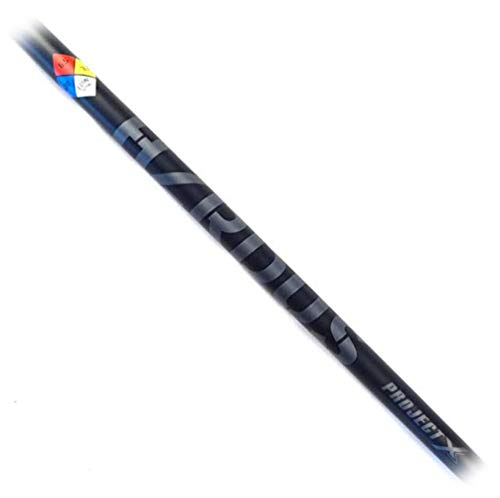
Low Launch Low Spin Driver Shaft: Take Control of Your Ball Flight
If your drives balloon, stall, and drop with little roll, the shaft in your driver may be working against you. A low launch low spin driver shaft is engineered to flatten trajectory, cut excessive backspin, and unlock the run-out that turns a good drive into a great one.
Explore the Buying GuideWhy this page matters: You already know a new shaft can change your driver's performance — now you need to understand whether a low launch low spin profile is the right answer. This guide explains the physics, the player profiles it suits, the design features to look for, and how to match a shaft to your swing so you buy with confidence.
What Is a Low Launch Low Spin Driver Shaft?
A low launch low spin driver shaft is a shaft designed to promote a lower launch angle and a reduced backspin rate compared with a neutral or high-launch profile. The goal is a flatter, more penetrating ball flight that carries through the wind and lands with enough forward momentum to release and roll.
Launch and spin are influenced by several factors working together: the shaft's bend profile, its weight and balance point, the driver head's center of gravity, and — most importantly — the golfer's angle of attack and swing speed. The shaft alone cannot override a poor strike or an extreme swing flaw, but the right profile can meaningfully tighten a ball flight that is already fundamentally sound.
In practice, these shafts typically feature a stiffer tip section, a mid-to-high bend point, and a profile that resists the "kick" that adds dynamic loft at impact. Compared with a mid launch mid spin driver shaft, the low spin version trades some launch height and forgiveness for trajectory control and reduced spin.
How Shaft Design Creates a Low Launch, Low Spin Flight
Understanding the mechanics helps you evaluate marketing claims and read fitting data with a critical eye. Three design levers matter most:
1. Bend Profile and Tip Stiffness
A stiffer tip section reduces forward shaft deflection at impact, which limits the extra dynamic loft added to the clubhead. The result is a lower, more controlled launch. Meanwhile, a mid or high bend point changes how the shaft loads and releases, encouraging a flatter delivery for golfers with an aggressive transition.
2. Weight and Balance Point
Heavier shafts and those with a high balance point can subtly influence tempo and release timing. A high balance point shaft allows a slightly heavier build while keeping swing weight manageable, which can help stronger players maintain a repeatable, low-spin delivery. Mid-weight models are the sweet spot for most recreational players.
3. Torque
Lower torque shafts feel firmer and typically reduce twist at impact, aiding consistency and spin control. Very low torque can feel harsh to slower swingers, so the goal is to match torque to your speed and feel preference rather than simply chasing the lowest number.
Who Should Use a Low Launch Low Spin Driver Shaft?
These profiles are not universal upgrades — they solve a specific problem. You are a strong candidate if you recognize yourself in one or more of the following:
- High swing speed: Players with faster swings generate more spin naturally and often benefit from reducing it.
- Positive angle of attack: Hitting up on the ball adds launch; a lower-spin shaft helps keep the flight controlled.
- Ballooning drives: Shots that climb steeply, peak early, and fall short with minimal roll.
- Excessive spin numbers: Launch monitor data showing spin rates well above the optimal window for your speed.
- Windy conditions: A flatter flight is less affected by crosswinds and headwinds.
Conversely, if your launch is already low, your spin rate is modest, or you rely on carry distance with a slower swing, a lower-spin profile could cost you total yards. In that case, exploring a higher-launch option such as a high launch low spin driver shaft may produce better results.
Potential Benefits
- Flatter, more penetrating ball flight
- Reduced ballooning and spin-related distance loss
- Better control in wind
- More roll-out on firm fairways
- Firmer feel and tighter dispersion for strong swingers
Potential Trade-offs
- Lower carry for players who already launch low
- Less forgiveness on off-center strikes
- Firmer feel that may not suit slower tempos
- Requires accurate fitting to avoid over-correcting
Key Features to Evaluate Before You Buy
When comparing shafts, look beyond the label on the box. The following characteristics are the ones that actually translate into on-course performance:
- Stiffness profile: Look for a firm-to-stiff tip and a mid-to-high bend point. Manufacturer charts usually indicate launch and spin as low, mid, or high.
- Flex: Match flex to swing speed and transition. Stronger, faster players generally need stiffer flexes to keep spin in check.
- Weight class: Mid-weight models suit most players; heavier options favour high-speed swings that benefit from added stability.
- Torque rating: Lower torque for control-oriented players; moderate torque for those who want feel without excessive twist.
- Balance point: A high balance point driver shaft can help preserve swing weight while adding stability.
- Adapter compatibility: Confirm the shaft includes or accepts the adapter for your driver head — an overlooked detail that can add cost and delay.
How This Profile Compares to Other Driver Shafts
Placing the low launch low spin shaft on a spectrum helps you understand the trade-offs you are making:
| Profile | Launch | Spin | Best Suited To |
|---|---|---|---|
| High launch, low spin | High | Low | Players who need height but must control spin |
| Mid launch, mid spin | Mid | Mid | Broad range of recreational players seeking balance |
| Low launch, low spin | Low | Low | High-speed players fighting ballooning and excess spin |
If you are unsure where you sit, a session on a launch monitor is the fastest way to find out. Recording your launch angle, spin rate, and ball speed will show whether reducing spin is the lever you need to pull — or whether you would be better served by optimizing another variable.
Buying Guide: Matching a Shaft to Your Game
Step 1 — Get Baseline Numbers
Before shopping, measure your current driver on a launch monitor. Note launch angle, spin rate, ball speed, carry, and total distance. Without a baseline, you cannot judge whether a new shaft is an improvement.
Step 2 — Define Your Target Window
Your fitter can help you set realistic targets based on your swing speed. For faster players, the goal is often a launch angle in the moderate range with a spin rate low enough to let the ball run out. Slower swingers usually need more launch, not less.
Step 3 — Match Flex and Weight to Your Swing
Flex and weight are the most consequential variables. A shaft that is too stiff or too heavy can rob you of ball speed and consistency; one that is too soft can add spin and dispersion. Try more than one weight class if possible.
Step 4 — Consider Tiers and Budget
Driver shafts are generally available across several market tiers:
- Entry-level Options from established brands that offer basic low-launch profiles without exotic materials.
- Mid-range Improved bend profiles, better torque control, and more consistent manufacturing.
- Premium Advanced materials, tighter tolerances, and more refined bend profiles for serious players.
- Luxury Tour-level designs with hand-finished profiles and the highest consistency standards.
Higher tiers typically offer more precise bend profiles and tighter weight tolerances, which can translate into more repeatable performance — but a well-matched mid-range shaft often outperforms a poorly matched premium one.
Step 5 — Test Before You Commit
Whenever possible, test the shaft in your own driver head on a launch monitor or at a fitting centre. Pay attention not just to the numbers but to feel and confidence, which influence how you swing.
Common Mistakes to Avoid
- Chasing the lowest spin number: Over-reducing spin can cost carry and make the flight unpredictable. Aim for the optimal window, not the minimum.
- Ignoring swing speed: Low-spin profiles reward speed; slower players often lose distance with them.
- Skipping the head: Shaft and head interact. A low-spin shaft paired with an already low-spinning head can over-correct.
- Overlooking adapter compatibility: Confirm the shaft fits your driver model before purchasing.
- Buying on feel alone: A shaft that feels good but produces poor numbers will not lower your scores.
Frequently Asked Questions
Who should use a low launch low spin driver shaft?
Golfers with a high swing speed, a positive angle of attack, and an existing high ball flight benefit most. If your drives balloon and lose roll, a low launch low spin profile can flatten trajectory and add distance.
Does a low spin shaft always increase distance?
No. Distance depends on a balance of launch, spin, and ball speed. If your spin rate is already optimal, a lower-spin shaft can reduce carry and total distance. Fitting is essential.
What shaft weight is typical for low launch low spin profiles?
These profiles are most common in the mid-weight to heavier range for drivers, often in stiffer flexes. Lighter versions exist for moderate swing speeds but are less common.
How do I know if I need a low launch low spin driver shaft?
A launch monitor session is the best indicator. If your launch angle is high, spin rate is excessive, and your ball peaks early with little roll, the profile may be right for you.
Ready to Flatten Your Ball Flight and Add Roll?
Browse our recommended low launch low spin driver shafts below — selected for performance, consistency, and value across every tier.
See Recommended Shafts