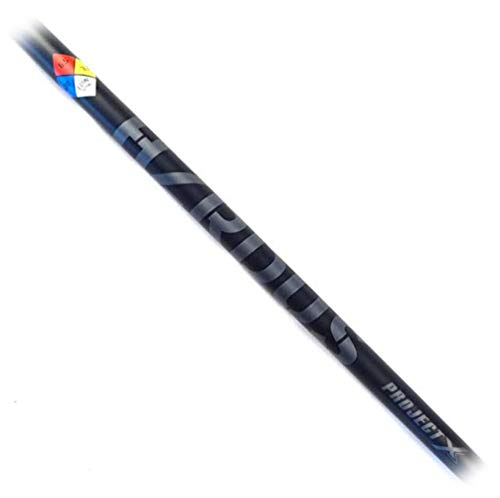
High Launch Low Spin Driver Shaft: The Complete Distance Playbook
Unlock the ideal ball flight that tour pros chase: towering carry with a flat, controlled descent. This guide explains exactly how a high launch low spin driver shaft works, who it is built for, and how to choose the right profile for your swing speed and angle of attack.
See Recommended Shafts →What Is a High Launch Low Spin Driver Shaft?
A high launch low spin driver shaft is a piece of golf club engineering designed to produce two outcomes simultaneously: a higher initial launch angle and reduced backspin. On paper these goals seem to conflict, because adding loft traditionally adds spin. Shaft designers solve this by manipulating the bend profile, tip stiffness, and kick point so the shaft delivers the clubhead with a slightly higher dynamic loft while keeping the head stable through impact to suppress excess spin.
The result is a ball flight that climbs quickly but stays flat rather than ballooning. Carry distance increases because the ball stays airborne longer at an efficient trajectory, and total distance improves because the flatter descent angle encourages roll-out. Golfers who suffer from a low, spinny flight often find that this shaft category is the single biggest distance unlock available to them without changing their swing.
It is important to understand that the shaft alone does not create launch or spin — your angle of attack, clubhead speed, and centeredness of strike do most of the work. The shaft simply optimizes the delivery. That is why pairing a high launch low spin shaft with the correct driver head loft, and ideally a professional fitting, is the most reliable way to realize the benefit. For players still exploring general shaft categories, our high balance point driver shafts guide explains how weight distribution interacts with launch and control.
The Launch and Spin Physics Behind the Shaft
Two numbers dominate driver distance: launch angle and backspin. Optimal launch for most amateur swing speeds sits somewhere between a mid and high trajectory, while optimal spin sits low enough to prevent the ball from stalling in the air. When backspin is too high, the ball climbs steeply, loses forward momentum, and drops short — the classic ballooning shot. When launch is too low, the ball never reaches its maximum carry potential.
A high launch low spin shaft addresses both by encouraging a slightly upward delivery with a stable clubface. The low kick point helps add dynamic loft at impact, while a stiff tip section limits the shaft's forward deflection, reducing the loft-adding flip that inflates spin. The combination produces the efficient flight path that launch monitor data consistently rewards.
Quick rule of thumb: If your drives climb sharply and drop out of the sky, you likely need lower spin. If they launch low and run out quickly, you likely need higher launch. A high launch low spin shaft is the answer when you need both at once.
Understanding how your current shaft behaves is the first step. If you already play a low launch low spin profile and want a comparison, our guide to the low launch low spin driver shaft breaks down the opposite end of the spectrum. Players who sit in between often find a mid launch mid spin driver shaft to be the most neutral starting point before moving to a more specialized profile.
Who Should Use a High Launch Low Spin Driver Shaft?
This shaft category is not for everyone, and understanding your own swing profile is essential before investing. The ideal candidate typically has one or more of the following characteristics:
- Moderate to fast swing speed: Players who generate enough speed to benefit from a flatter, more penetrating flight. Slower swingers may lose carry if the flight becomes too flat.
- Positive or neutral angle of attack: Golfers who strike slightly up on the ball already produce high launch, so the shaft's job is mainly to control spin.
- Excessive backspin tendency: If your drives balloon, stall, and fall short of your expected carry, reducing spin is the priority.
- Steep or downward attack angle: These players often need help adding launch while simultaneously reducing the spin that a steep strike creates.
Conversely, golfers with very low swing speeds, or those who already launch the ball high with low spin, may find this profile counterproductive. In those cases a mid launch mid spin driver shaft or a more forgiving head setup delivers better results. A professional fitting session remains the most reliable way to confirm which category fits your numbers.
If you are still working on the fundamentals of your tee shot, our driver swing tips guide pairs well with any shaft choice, because technique and equipment must work together.
Key Shaft Specs Explained
Shaft marketing can be confusing, but a handful of measurable properties determine how a shaft behaves. The table below summarizes what matters most when evaluating a high launch low spin profile.
| Spec | What It Does | Target for High Launch Low Spin |
|---|---|---|
| Kick Point | Where the shaft bends most during the swing | Low to mid kick point to promote launch |
| Tip Stiffness | How much the tip deflects at impact | Stiff tip to limit loft-adding flip and reduce spin |
| Butt Stiffness | Feel and stability in the hands | Moderate to stiff for control without harshness |
| Weight | Overall shaft mass and swing feel | Lightweight to mid-weight for speed retention |
| Torque | Rotational resistance of the shaft | Low to moderate for stability on off-center strikes |
| Flex | Overall bend rating (regular, stiff, x-stiff) | Match to swing speed and tempo |
No single spec tells the whole story. A shaft can have a stiff tip but still launch high if its overall profile is designed to add dynamic loft. Always evaluate the complete bend profile rather than isolating one number. If you are comparing shaft types broadly, our shaft selection guide provides a useful framework.
Shaft Profile Categories
Within the high launch low spin category, manufacturers offer distinct profiles that suit different swing types. The descriptors below use a consistent tier system — entry-level, mid-range, and premium — based on design sophistication and material quality rather than any specific number.
Standard-Profile High Launch Low Spin
Offers the core benefit of a low kick point with a moderately stiff tip. A solid choice for golfers new to this category who want a noticeable reduction in ballooning without a major investment in exotic materials.
Balanced Bend Profile
Refines the formula with more consistent material distribution, delivering smoother feel and more stable spin reduction across the face. The most common choice for players who want reliable performance without chasing niche specifications.
Tuned Tip and Butt Section
Uses advanced materials to fine-tune tip stiffness independently of butt feel, giving stronger players precise control over spin while retaining a lively feel. Suited to golfers who have been fitted and know their exact launch and spin targets.
Tour-Inspired Custom Profile
Built around tour feedback and bespoke bend profiles, offering the most refined blend of high launch and low spin available. Best for elite players who treat the shaft as a precision instrument and pair it with a full fitting.
Each tier delivers the core launch and spin benefit; the differences lie in feel, consistency, and how precisely the profile can be matched to an individual swing. A mid-range shaft often offers the best balance for the majority of recreational golfers.
Fitting and Testing Tips
Because launch and spin are highly individual, testing is essential. Follow this practical process to evaluate a high launch low spin driver shaft properly:
- Measure your baseline: Use a launch monitor to record your current launch angle, backspin, and carry distance with your existing driver. This establishes the gap you need to close.
- Test side by side: Hit the candidate shaft against your gamer in the same head, ideally outdoors or with a high-quality indoor monitor, so differences in flight are directly comparable.
- Watch the descent angle: A good high launch low spin flight descends at a shallower angle, producing roll-out. Steep descent suggests too much spin remains.
- Check strike consistency: Spin reduction should not come at the cost of dispersion. If a shaft reduces spin but scatters shots, it is the wrong profile for you.
- Confirm feel: A shaft that feels harsh or whippy will erode confidence. The best-performing shaft is the one you can swing aggressively with trust.
If you are also considering a full driver upgrade, our guide to the longest and most forgiving driver explains how head design complements shaft selection. For players building a complete bag, the driver fitting guide walks through the full process step by step.
Common Mistakes to Avoid
- Chasing spin reduction at the cost of carry: A shaft that drops spin too aggressively can produce a low, flat flight that loses carry if your launch angle is already marginal.
- Ignoring angle of attack: If your attack angle is negative, adding a high launch shaft alone will not fix spin. Technique work in parallel delivers better results.
- Overlooking head loft: The shaft and driver head loft must be paired thoughtfully. A high launch shaft in a high loft head can produce too much launch and spin.
- Skipping the fitting: Shaft specs are interdependent. Buying blindly based on marketing claims frequently leads to disappointing results.
- Neglecting strike location: Off-center strikes add spin regardless of shaft. Centered contact is the foundation of low-spin driving.
Addressing these mistakes before you buy saves time, money, and frustration. Pair your equipment decisions with consistent practice — our driver swing tips and swing fundamentals resources provide the technique foundation that amplifies any shaft upgrade.
Frequently Asked Questions
What is a high launch low spin driver shaft?
Who benefits most from a high launch low spin driver shaft?
Does a high launch low spin shaft work for slower swing speeds?
How does shaft kick point affect launch and spin?
Can a high launch low spin shaft fix a slice?
Ready to Optimize Your Ball Flight?
Explore our recommended high launch low spin driver shafts below and match the right profile to your swing speed and launch numbers.
Browse Recommended Shafts →