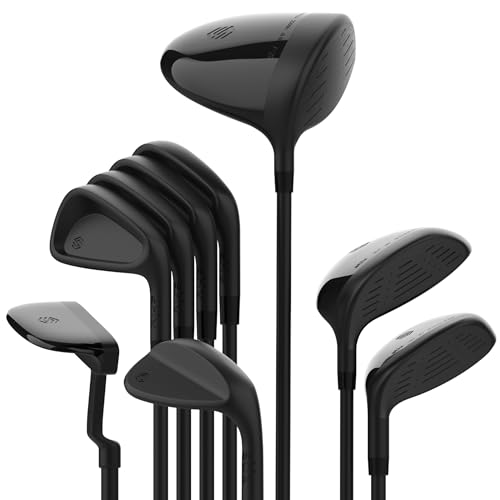
Longest and Most Forgiving Driver: Ultimate Guide to Distance and Accuracy
Unlock towering, straight drives with the longest and most forgiving driver technology. Learn what makes a driver forgiving, how to pick the right one, and get expert buying advice.
EXPLORE DRIVER GUIDEStruggling with mishits? Today’s longest and most forgiving drivers combine high MOI, optimized CG, and advanced face technology to keep the ball in play and add yards – even on off‑center strikes. This guide covers everything you need to choose the perfect model for your game.
What Defines a Long & Forgiving Driver?
Forgiveness in a driver means the club preserves ball speed and reduces sidespin on mishits. When paired with distance‑optimized design, you get a driver that’s both powerful and easy to control. The three biggest factors are:
High MOI
Moment of Inertia resists twisting on off‑center hits, keeping the face stable and shots straighter.
Low & Deep CG
A low, rear‑center of gravity boosts launch angle and reduces spin, making it easier to get the ball airborne with added distance.
Advanced Face Tech
Variable thickness faces and AI‑designed patterns preserve ball speed across a larger area of the face.
For a deeper dive into the science, check out our driver fitting guide where we explain how launch monitor numbers translate to real‑world performance.
Key Technologies That Maximize Distance & Forgiveness
Manufacturers pack several innovations into modern drivers. Understanding these helps you cut through the marketing and focus on what matters:
- Carbon Composite Crowns – Save weight that’s repositioned low and back, raising MOI and launch. This is common in many of the most forgiving drivers for high handicappers.
- Adjustable Perimeter Weighting – Movable weights let you fine‑tune ball flight bias (draw/fade) without sacrificing forgiveness. Learn more in our adjustable drivers overview.
- AI‑Optimized Face Thickness – Computer‑engineered patterns expand the sweet spot, often adding 2‑3 mph of ball speed on mishits.
- Speed‑Injected / Hot Faces – Some designs push the legal limit of COR (spring‑like effect), ensuring every head leaves the factory at maximum allowable speed.
- Aerodynamic Shaping – Streamlined crowns reduce drag, helping you generate more clubhead speed effortlessly.
Types of Longest & Most Forgiving Drivers
Not all forgiving drivers are built the same. Here are the main categories to consider, each with a specific mission:
1. Max Forgiveness / High MOI Models
These are the ultimate in stability. They feature the largest footprints, deepest CG, and highest MOI figures. Ideal for golfers who want straight, consistent drives above all else. If you’re looking for the absolute best golf driver for distance and forgiveness, start here.
2. Low‑Spin Distance Drivers
Designed to reduce spin without giving up all forgiveness. They suit players with higher swing speeds who need a penetrating ball flight. Many also incorporate adjustable hosels to tweak loft and lie.
3. Draw‑Bias Drivers
Weight is shifted toward the heel to help square the face and fight a slice. These are a great choice if you struggle with a left‑to‑right ball flight (for right‑handers) and still want a lively face.
4. Lightweight / Senior Drivers
For players with moderate swing speeds, lighter overall weight and softer shafts add clubhead speed and launch. Check our best driver for seniors with slow swing speed for dedicated options.
How to Choose the Right Forgiving Driver for Your Swing
Even the longest driver won’t help if it doesn’t fit your swing. Follow these steps to narrow down the field:
- Get Fitted – A professional driver fitting uses launch monitor data to match loft, shaft, and head design to your delivery. It’s the single best investment you can make.
- Loft Matters – Slower swing speeds generally need more loft (10.5°–12°) to optimize launch and carry. Faster swingers can use lower lofts to control spin.
- Shaft is the Engine – Weight, flex, and bend profile dramatically affect feel and strike. Explore our shaft selection guide to understand what works best. As an example, a driver shaft for 100 mph swing speed typically falls in the stiff flex range with a mid‑launch profile.
- Adjustability – Adjustable drivers let you change loft and weight distribution as your swing evolves, extending the club’s useful life.
- Sound & Feel – Forgiveness isn’t just numbers; the acoustic feedback should inspire confidence. Demo a few before buying.
Many golfers also benefit from a quick club selection check to ensure the driver complements the rest of the bag.
Tips to Maximize Distance & Accuracy with Your Forgiving Driver
After you’ve chosen the right club, a few setup adjustments can unlock even more performance:
- Tee Height – With modern 460cc heads, play the ball high so the equator of the ball aligns with the top edge of the face at address.
- Ball Position – Position the ball just inside the lead heel to encourage an upward angle of attack. Our driver swing tips detail the ideal setup.
- Swing Smoothly – Chasing speed often leads to off‑center contact. A balanced, rhythmic swing preserves the forgiving properties of the club. Work on swing fundamentals to build consistency.
- Use the Right Ball – Pair your driver with a low‑spin distance ball to further cut sidespin. See our recommendations for distance improvement through equipment synergy.
- Monitor Your Data – Even a quick session with a launch monitor can reveal whether your spin, launch, and smash factor are optimized.
What Do the Longest & Most Forgiving Drivers Cost?
Pricing spans a wide range, but you don’t have to break the bank for performance. Here’s the current landscape:
- Premium new releases – Typically $500–$600 with all the latest adjustable tech and exotic materials.
- Prior generation models – Often available new for $300–$400 with nearly identical forgiveness, just missing the newest face iteration.
- Budget / value drivers – Solid forgiving options start around $250–$350, perfect for beginners and casual players.
The smart play is often a previous‑year flagship: you get 95% of the forgiveness at a significant discount. Always verify that the shaft and loft fit your swing before purchasing.
Frequently Asked Questions
Can a forgiving driver really add 20 yards?
Yes, if your current driver is a poor fit. A forgiving driver preserves ball speed on mishits and can optimize launch/spin, leading to substantial gains. Combined with proper technique, 15‑20 yards is realistic.
Do low‑spin drivers sacrifice forgiveness?
Not necessarily. Many low‑spin models today still have high MOI. They’re designed for players who need spin reduction but still want stability. The key is finding the right head design for your impact pattern.
Is a 460cc head always more forgiving?
Generally yes, because a larger head allows for a higher MOI. However, shape and internal weighting matter more than sheer volume. A 460cc driver with weight pushed deep and back will be extremely stable.