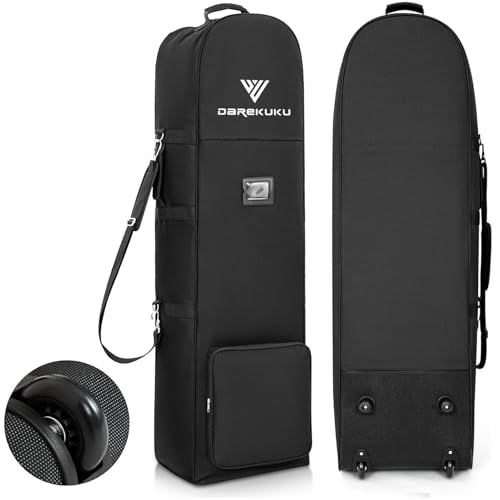
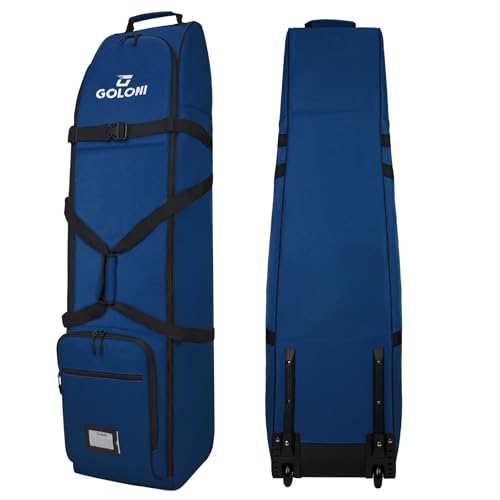
Best Soft Sided Golf Travel Bag: The Complete Buyer's Guide
Protect your clubs, travel light, and arrive at the first tee with confidence. Our expert guide breaks down everything you need to know about choosing the right soft sided golf travel bag for your game and your journeys.
When you invest in quality golf clubs, protecting them during travel becomes just as important as choosing the right set. A soft sided golf travel bag has become the go-to choice for the majority of traveling golfers — and for good reason. These bags balance robust protection with the portability and storage convenience that hard cases simply cannot match. Whether you are a weekend warrior flying to a resort destination, a competitive amateur heading to a regional tournament, or a frequent business traveler sneaking in a round between meetings, the right soft sided travel bag keeps your equipment safe without weighing you down.
This guide walks you through the features that genuinely matter, the construction details that separate a premium bag from an entry-level one, and the practical considerations that frequent flyers learn only after a few trips. By the end, you will understand exactly what to look for so you can make a confident purchase decision through our recommended product selection below.
Why Choose a Soft Sided Golf Travel Bag?
Soft sided travel bags have overtaken hard cases in popularity among recreational and competitive golfers alike. The reasons are practical and well-earned:
- Lighter weight: Soft bags typically weigh significantly less than hard cases, which helps you stay within airline baggage limits and makes handling easier at check-in and baggage claim.
- Flexible packing: Soft sided bags can compress and flex to fit into tight rental car trunks, hotel closets, and overhead storage areas where a rigid case would be cumbersome.
- Collapsible storage: When not in use, most soft bags fold or roll into a compact form that takes up minimal space in your garage or closet — a major advantage over bulky hard cases.
- Adequate protection: Modern soft bags with reinforced padding, internal support rods, and well-engineered club head protection deliver excellent protection for air travel and road trips alike.
- Convenient accessibility: Many soft bags include external pockets for shoes, accessories, and apparel, making them a one-bag travel solution for golf trips.
Quick tip: If you travel frequently by air, pair your soft sided bag with a stiff arm or internal support rod to prevent club heads from bearing the weight of other luggage stacked on top. This small accessory dramatically extends the life of your clubs.
Key Features to Look For in a Soft Sided Golf Travel Bag
Not all soft bags are created equal. The difference between a bag that survives a dozen trips and one that fails on the first flight comes down to construction quality and thoughtful design. Here are the features that matter most:
Padding and Club Head Protection
The club head area is the most vulnerable part of any golf travel bag. Look for dense foam padding — at least one inch thick — around the top and sides of the bag. Premium soft bags often use molded foam or reinforced panels specifically around the driver and wood heads, which are the most expensive clubs to replace. Some designs incorporate an internal divider system that keeps club heads separated and prevents them from clashing during transit.
Internal Support and Structure
A soft bag without internal structure is essentially a duffel bag for your clubs — and it will not protect them well. The best soft sided golf travel bags include integrated support rods, sometimes called "stiff arms," that run the length of the bag and prevent it from collapsing under stacked luggage. Some models use a rigid internal frame or reinforced spine. If the bag does not include a stiff arm, make sure it has sleeves or attachment points to add one.
Material Durability
Look for heavy-duty materials such as 600D or higher denier polyester, ripstop nylon, or ballistic nylon. These fabrics resist abrasion, tearing, and moisture. Water-resistant coatings are a valuable bonus, especially if you travel to destinations with unpredictable weather. Reinforced stitching at stress points — handles, zippers, and wheel attachments — is a hallmark of quality construction.
Wheels and Handles
Most soft sided golf travel bags feature inline skate-style wheels or recessed wheels. Larger wheels roll more smoothly over uneven surfaces like airport carpets and parking lots. A sturdy, padded top handle is essential for lifting the bag into vehicles and onto baggage carousels. Some premium models include a second handle on the side or bottom for easier two-person lifting.
Storage and Accessibility
External pockets for shoes, gloves, balls, and accessories turn your travel bag into a complete travel solution. Look for full-length zippers that make packing and unpacking easy, and consider whether the bag has separate compartments to keep dirty shoes away from clean clothing.
Airline Compatibility and Security
Check that the bag's dimensions fall within standard airline checked baggage limits. Most soft golf travel bags are designed to meet these requirements, but it is worth verifying before you buy. TSA-approved lockable zippers or lock loops add peace of mind when your clubs are out of your sight.
Understanding Quality Tiers: Entry-Level to Premium
Soft sided golf travel bags are available across a wide spectrum of quality and construction. Rather than focusing on specific prices, it helps to understand what each tier typically delivers so you can match your purchase to your travel frequency and club value:
| Tier | Typical Construction | Best For |
|---|---|---|
| Entry-Level / Budget-Friendly | Basic polyester fabric, lighter padding, simpler wheel systems, fewer external pockets | Occasional travelers, recreational golfers taking one or two trips per year |
| Mid-Range / Mid-Tier | Thicker denier fabric, better foam padding, internal support rods, multiple pockets, smoother wheels | Regular travelers, golfers who fly several times a season and want reliable protection |
| Premium / High-End | Ballistic nylon or ripstop materials, molded club head protection, reinforced frames, premium wheels, TSA locks, generous storage | Frequent flyers, competitive golfers, those traveling with high-value club sets |
| Luxury / Top-Tier | Tour-grade materials, exceptional padding, integrated stiff arm systems, lifetime warranties, refined design details | Tournament players, serious travelers who demand the highest level of protection and convenience |
In general, a mid-range soft sided bag offers the best balance of protection, features, and durability for most golfers. Entry-level bags are fine for light use, while premium and luxury tiers make sense if you travel frequently or carry a set of clubs that represents a significant investment.
How to Pack a Soft Sided Golf Travel Bag Properly
Even the best bag can only protect your clubs if it is packed correctly. Follow these steps to minimize the risk of damage during transit:
- Remove adjustable club heads: If your driver or fairway woods have adjustable hosels, remove the heads and pack them separately in your carry-on or a padded compartment. This eliminates the most common breakage point.
- Use a stiff arm or support rod: Position the support rod at the top of the bag, above your club heads, so that any downward pressure is absorbed by the rod rather than your clubs.
- Wrap club heads in towels or clothing: Use golf towels or soft clothing to cushion club heads and prevent them from knocking against each other. This also protects the bag's internal padding.
- Pack around the clubs, not on top: Distribute clothing and soft items around the clubs rather than packing heavy items on top. This maintains the bag's shape and improves protection.
- Secure zippers and locks: Use a TSA-approved lock on the main zipper. Some bags include lockable zipper pulls; if yours does not, a small cable lock works well.
- Check weight before the airport: Weigh your packed bag at home to avoid overweight baggage fees. Most soft bags weigh less than hard cases, giving you more room for clothing and accessories.
Buying Advice: Matching the Bag to Your Travel Style
The "best" soft sided golf travel bag depends entirely on how you travel and what you carry. Consider these scenarios:
For the Occasional Traveler
If you take one or two golf trips per year, an entry-level or budget-friendly soft bag will serve you well. Focus on basic padding and a reliable wheel system, and consider adding a separate stiff arm for extra protection. You do not need to invest in premium materials for light use.
For the Regular Flyer
Golfers who fly several times per season should look at mid-range bags with robust padding, internal support, and durable wheels. These bags offer a meaningful step up in protection and longevity without the premium tier's higher cost. This is the sweet spot for most serious recreational golfers.
For the Competitive or Frequent Traveler
If you travel monthly or carry high-value clubs, a premium or luxury tier bag is a wise investment. Features like molded club head protection, ballistic nylon construction, integrated stiff arm systems, and TSA locks provide the highest level of security for your equipment. For related travel gear, you might also consider a remote control golf push cart for effortless navigation around unfamiliar courses, or a stand golf bag with full-length dividers to keep your clubs organized during the trip itself.
Common Mistakes to Avoid
- Choosing a bag without internal support: A soft bag with no structural reinforcement offers little protection against stacked luggage. Always prioritize bags with support rods or rigid frames.
- Overlooking wheel quality: Cheap wheels break or seize up, making your bag difficult to maneuver. Look for larger, smoothly rolling wheels and reinforced wheel housings.
- Ignoring airline size limits: Verify that the bag's dimensions comply with standard checked baggage limits to avoid surprise fees.
- Packing without club head protection: Even the best bag needs proper packing. Use towels, clothing, and a stiff arm to protect club heads.
- Assuming all soft bags are equal: Construction quality varies enormously. Read reviews, inspect material specifications, and choose a bag that matches your travel frequency.
Related reading: If you are also updating your on-course equipment for the new season, our guide to the best wedges for mid to high handicappers can help you complete your setup, and our best sunglasses for finding golf balls review ensures you never lose sight of your ball in the sun.
Frequently Asked Questions
Are soft sided golf travel bags safe for air travel?
Yes. Modern soft sided golf travel bags with reinforced padding, internal support rods, and proper packing provide excellent protection for air travel. Most professional and amateur golfers who fly regularly use soft sided bags. The key is choosing a well-constructed bag and packing your clubs properly with a stiff arm and club head protection.
What is the difference between soft sided and hard case golf travel bags?
Soft sided bags are lighter, more flexible to pack, easier to store, and often include more external storage pockets. Hard cases offer maximum impact resistance but are heavier, bulkier, and harder to store when not in use. For most recreational golfers, a quality soft sided bag provides the ideal balance of protection and convenience.
How do I pack a soft sided golf travel bag properly?
Remove adjustable club heads where possible, use a stiff arm or internal support rod above your clubs, wrap club heads in towels or clothing, distribute soft items around the clubs rather than on top, secure zippers with a TSA-approved lock, and weigh the packed bag before arriving at the airport.
Do soft sided golf travel bags have wheels?
Most quality soft sided golf travel bags include inline skate-style wheels or recessed wheels for easy transport through airports and parking lots. Larger wheels generally roll more smoothly over uneven surfaces. Some entry-level models may not include wheels, so check the product specifications.
Can I fit a cart bag in a soft sided golf travel bag?
Yes, most soft sided golf travel bags are designed to accommodate standard cart bags and stand bags. Check the bag's internal dimensions and any reviews that mention compatibility with cart bags. Some larger travel bags specifically accommodate cart bags with oversized tops.
Our Verdict
A quality soft sided golf travel bag is one of the best investments any traveling golfer can make. It protects your clubs, simplifies packing, and stores easily between trips. Focus on padding quality, internal support, wheel durability, and material strength — and match the tier of the bag to your travel frequency and the value of your clubs. With the right bag and proper packing technique, your clubs will arrive at every destination ready for the first tee.
For further equipment guidance, explore our best rangefinder for golf for the money review to dial in your on-course distances, or learn about the best way to sell used golf balls to offset the cost of your next golf trip.