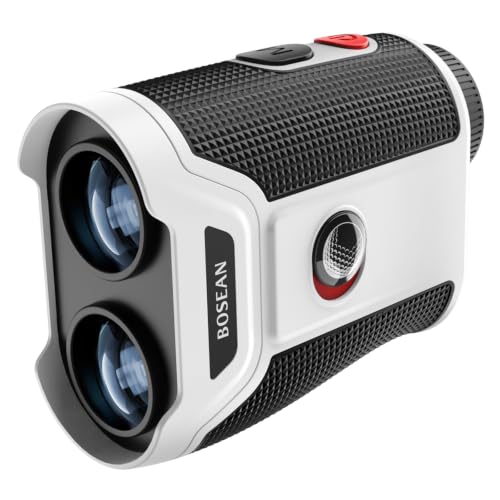
Best Rangefinder for Golf for the Money
Unlock pinpoint accuracy without emptying your wallet. Discover the finest laser, GPS, and hybrid rangefinders that deliver premium performance at a price you'll love.
EXPLORE TOP PICKSOur Value Promise: A great rangefinder doesn't have to cost a fortune. We've tested and compared dozens of models to bring you the ones that excel in accuracy, ease of use, and durability – all while keeping your budget in check. Most quality options for the money fall in the $150–$500 range.
Why a Rangefinder is Your Smartest Club
Knowing exact yardages transforms the way you approach every shot. Instead of guessing based on sprinkler heads or pacing off distances, a reliable rangefinder gives you confidence to select the right club and commit to the swing. Whether you're looking to shave strokes off your handicap or simply enjoy the game more, a solid distance device is a one‑time investment that pays for itself in lower scores.
Modern laser rangefinders fire a beam to the flag and lock on in a fraction of a second. GPS‑based models (GPS rangefinders) use satellite data to show front, middle, and back yardages, while hybrid rangefinders combine both technologies for the ultimate flexibility. Even if you're on a tight budget, today's budget rangefinders offer impressive accuracy that rivals premium units from a few years ago.
Key Features That Give You the Best Bang for Your Buck
- Slope Compensation – Models with slope adjust the distance for elevation changes, giving you the “plays like” number. This feature alone can save 2‑3 shots per round and is available even in mid‑price units.
- Pin‑Seeking Technology – Flags can be hard to lock onto, especially with trees in the background. Vibration feedback or visual indicators confirm you've hit the pin, not the background.
- Magnification & Optics – 6x magnification is the standard; 7x provides a clearer view but costs more. Multicoated lenses reduce glare, crucial in bright sunlight.
- Battery Life & Convenience – A long‑lasting battery (think 5,000+ measurements) means you won't be swapping it mid‑round. Common battery types like CR2 are easy to find and affordable.
- Water Resistance – An IPX4 rating or higher protects against rain and splashes, so morning dew or a sudden shower won't ruin your round.
- Display & Readability – A crisp, backlit display helps in low light. Look for adjustable brightness and large numerals for instant yardage checks.
How to Choose the Best Rangefinder for the Money
Start by deciding which type fits your game. If you want the most precise distance to the pin, go with a laser. If you prefer seeing a whole hole layout at a glance, a GPS or hybrid might be better. Consider whether slope is a must‑have (it's invaluable for hilly courses, but illegal for tournament play unless you disable it).
Next, look at ergonomics – a compact, lightweight device is easier to hold steady. Check the diopter adjustment if you wear glasses. Finally, read our rangefinder comparison to see how top contenders stack up in real‑world testing. A little research now means you'll land a device that feels like a steal, no matter your budget.
Remember, the most expensive rangefinder isn't always the best for your game. Many players find that a mid‑range model with slope, 6x magnification, and excellent optics covers 99% of what they need – at half the price of a tour‑level unit. And because you're investing in better course management, you'll likely see faster improvement than buying a new driver or set of irons.