Sell Your Used Golf Balls for Top Dollar – The Complete Guide
Discover exactly where and how to sell used golf balls for the best price. From grading and cleaning to choosing the right marketplace, we’ll show you every step to turn your stash into cash.
START SELLING NOWGolfProAdvice Approach: Used golf balls are a hidden source of income for many golfers. Whether you’ve collected them from water hazards, found them on the course, or simply want to clear out your bag, knowing how to evaluate, clean, and price them can mean the difference between a few dollars and a tidy profit. This guide breaks down the entire process so you can sell with confidence.
Why Selling Used Golf Balls Makes Sense
Golfers lose millions of balls every year, and many of those balls are still in excellent playable condition. By recovering and reselling them, you not only earn extra money but also promote sustainability in the game. Premium models like premium golf balls retain a significant portion of their original value even after a few rounds. The demand for quality used balls is high among budget-conscious players, beginners, and practice enthusiasts who want to save on practice golf balls without sacrificing performance.
Even if you’re not actively hunting for lost balls, the dozen or two you’ve replaced with new ones can fetch a fair price. This guide covers both bulk selling and individual high‑value ball sales, so you can choose the strategy that fits your inventory.
Step 1 – Master the Grading System
Buyers expect a clear description of condition. The industry uses a simple letter grade scale. Learning to grade accurately is the most important skill you’ll develop – it builds trust and helps you price fairly. Here’s the standard breakdown:
- Mint (AAAAA / 5A): Like new. No scuffs, no discoloration, original shine. Often just a range ball or a ball that landed in the rough. These command the highest price.
- Near Mint (AAAA / 4A): Very minor cosmetic blemishes, maybe a tiny scuff or a faint mark. Still looks almost new and plays perfectly.
- Good (AAA / 3A): Noticeable wear, some scuffs and discoloration, but no cuts or deep gouges. Perfect for practice or casual rounds.
- Average (AA / 2A): Obvious wear, multiple scuffs, possible faint cart path marks. Suitable for high‑handicap practice or shag bags.
- Practice / Range (A): Heavily worn, stained, or with minor cuts. Best sold in large bulk lots at a very low price per ball.
When in doubt, grade down – honest condition descriptions lead to repeat buyers and fewer returns. For high‑end balls like tour performance balls, even a AAA grade can sell quickly because the performance benefits are still there.
Step 2 – Choose the Best Marketplace
Different platforms attract different buyers. The right choice depends on the quality and quantity of your balls. Below are the most effective ways to sell, from individual premium balls to bulk practice stock.
Online Marketplaces
eBay: The largest audience for used golf balls. List by the dozen or in lots. High‑quality photos and accurate grades are essential. Pro tip: use the auction format for rare or AAAAA balls to let the market set the price.
Facebook Marketplace & Local Groups: Great for quick, no‑shipping sales. Bundle balls by type (e.g., all soft feel balls together) and sell as a lot. Cash on pickup avoids fees and shipping hassles.
Specialized Golf Reselling Sites: Websites like LostGolfBalls.com or GolfBallPlanet buy in bulk, but prices are lower. Ideal if you want a one‑and‑done sale of a large mixed bag.
Local Options
Pro Shops & Driving Ranges: Some small courses will buy used balls for their practice buckets. Approach the head pro or range manager with a sample. Even practice golf balls can earn you a few dollars per hundred.
Golf Leagues & Tournaments: Set up a small table at local events. Offer sorted dozens at a slight discount – you’ll move inventory fast and build a local reputation.
Niche Markets
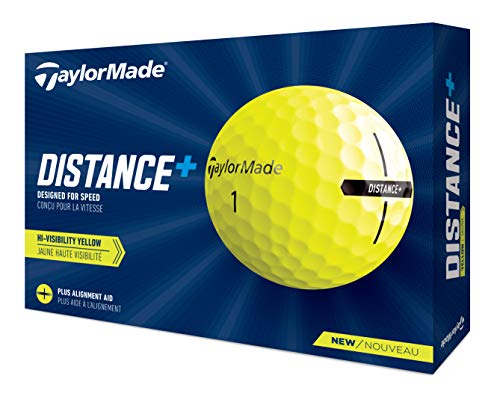
For unusual or high‑demand colors, such as yellow or matte finishes, target specific buyer segments. For example, if you have a collection of bright yellow balls, you could list them as used yellow golf balls for sale – a niche that attracts players who prioritize visibility.
Step 3 – Set the Right Price
Pricing depends on brand, model, condition, and quantity. As a rule of thumb, used balls sell for 30%–70% of the retail price of a new dozen, with mint condition commanding the top end. Here are current market price ranges per dozen (as of mid‑2026):
| Ball Type / Grade | Price Range (Per Dozen) |
|---|---|
| Tour-level urethane (AAAAA) | $25–$35 |
| Tour-level urethane (AAA) | $12–$20 |
| Mid‑tier ionomer (AAAA) | $10–$18 |
| Budget distance balls (AAA) | $6–$12 |
| Bulk practice (AA/A mix) | $20–$50 per 100 balls |
Always check sold listings on eBay for the exact model you have. Prices for distance golf balls are typically lower, but high demand can push prices for certain brands above average.
Step 4 – Clean & Prepare for Sale
Dirty, unorganized balls look unprofessional and hurt your pricing. A little effort here pays off.
- Soak: Fill a bucket with warm water and a few drops of dish soap. Let the balls soak for 15–20 minutes to loosen dirt.
- Scrub: Use a soft brush or an old towel to gently scrub away mud and grass. For stubborn marks, a magic eraser works wonders on white balls.
- Rinse & Dry: Thoroughly rinse with clean water and dry each ball with a microfiber cloth. Wet balls in a bag can develop mildew.
- Sort & Grade: As you dry, sort by brand, model, and condition. This makes listing faster and ensures consistency.
- Package: For individual dozens, use a clean egg carton or a small cardboard box. For bulk lots, a sturdy mesh bag works well. Presentation matters – a neatly packed dozen looks more valuable.
Step 5 – Ship Like a Pro
If you’re selling online, shipping can eat into profits if you’re not careful. Follow these guidelines:
- Use USPS First‑Class or Ground Advantage for small, lightweight packages (1–4 dozen). Rates start around $5–$10 depending on distance.
- Flat Rate Boxes are ideal for larger bulk orders up to 70 lbs. A medium flat rate box can hold about 6–8 dozen balls.
- Protect the Balls: Wrap each dozen in bubble wrap or place them in a sealed plastic bag inside the box. Movement during transit can cause scuffs, which leads to unhappy buyers.
- Offer Combined Shipping: Encourage buyers to purchase multiple lots by offering a shipping discount. This increases your average order value.
- Print Labels Online: Services like Pirate Ship or eBay’s built‑in label printing offer commercial discounts that can save you up to 30% off retail postage.
Pro Tips to Maximize Your Return
Small tweaks can significantly boost your bottom line. Implement these strategies to stand out from other sellers:
- Create Mixed Lots: Group complementary balls (e.g., all soft feel balls together) to attract buyers looking for variety.
- Highlight Premium Brands: Mention specific high‑value models in your title – “Pro V1” or “TP5” draws attention. Link to the relevant product page, like tour performance balls, to build credibility.
- Time Your Listings: Spring and early summer see a surge in demand as golfers restock for the season. List in March–May for the fastest sales.
- Offer a Guarantee: A simple “satisfied or your money back” policy increases buyer confidence, even for used items.
- Build a Reputation: Start with a few small, perfect‑condition lots to earn positive feedback. High ratings lead to higher prices over time.
Frequently Asked Questions
Q: Can I sell balls I found in water hazards?
A: Absolutely. Most “water balls” are still in good shape if retrieved quickly. Just grade them honestly and note if they were submerged for a long time (which can affect performance).
Q: Do I need a business license to sell used golf balls?
A: For casual selling on eBay or Facebook, no. If you plan to sell in high volume or as a regular business, check local regulations. Most hobby sellers operate without one.
Q: How should I handle balls with logos or personalization?
A: These are harder to sell but not impossible. Offer them at a slight discount and mention the logo in the listing. Some buyers actually prefer logo balls for practice or as conversation pieces.
Q: What’s the fastest way to turn inventory into cash?
A: Bundle everything into a large bulk lot and sell locally on Facebook Marketplace at a rock‑bottom price. You’ll sacrifice profit per ball, but the cash is immediate and you clear out space.