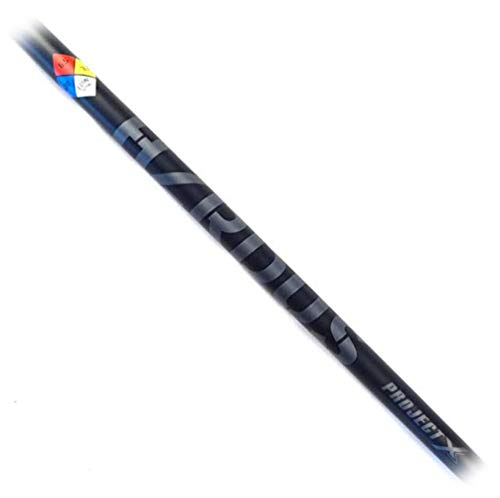
Best Low Launch Low Spin Driver Shaft: A Complete Guide
Struggling with a ballooning ball flight and lost distance? A low launch low spin driver shaft could be the missing piece in your setup. This guide explains how these shafts work, who benefits most, and how to choose the right profile for your swing.
What Is a Low Launch Low Spin Driver Shaft?
A low launch low spin driver shaft is engineered with a specific bend profile that keeps the ball flight flatter and reduces backspin at impact. These shafts typically feature a stiffer tip section, a firmer mid-section, and a higher kick point compared to standard or high-launch shafts. The result is a more penetrating trajectory that cuts through the wind and lands with more rollout.
Golfers often confuse launch and spin as the same thing, but they are distinct. Launch angle describes the initial upward trajectory of the ball, while spin rate describes how fast the ball rotates backward. A shaft that reduces both helps players whose drives climb too steeply and stall in the air, robbing them of valuable carry and total distance.
Understanding shaft terminology is essential before shopping. Terms like "tip stiffness," "kick point," and "torque" all play a role in how a shaft performs. For a broader foundation, explore our complete golf swing guide to see how swing mechanics interact with equipment choices.
Who Benefits From This Shaft Profile?
Low launch low spin shafts are not for everyone. They deliver the most value to specific player profiles:
- High swing speed players (100+ mph): Faster swings naturally generate more spin and higher launch. A low launch low spin shaft helps control that excess.
- High handicap golfers with high swing speed: Players in this group often fight a slice or ballooning drives. Reducing spin can tighten dispersion. See our guide on the best golf ball for high handicap with high swing speed to pair your shaft with the right ball.
- Golfers who hit down on the driver: A negative angle of attack increases spin. A low spin shaft can offset some of that effect.
- Players in windy conditions: A flatter trajectory is less affected by crosswinds and headwinds.
Conversely, slower swing speed players (under 85 mph) usually struggle to get the ball airborne with this profile. If your swing speed is moderate, a high launch low spin driver shaft may be a better fit because it helps you launch the ball while still controlling spin.
How Shaft Profile Influences Launch and Spin
Shaft manufacturers manipulate several design elements to achieve a low launch low spin profile:
Tip Stiffness
A stiffer tip section reduces dynamic loft at impact, which lowers launch angle and spin. This is the single most influential factor in shaft performance.
Kick Point
A higher kick point (closer to the grip) promotes a lower ball flight. Lower kick points, by contrast, add launch and spin.
Shaft Weight
Heavier shafts tend to produce lower launch and spin because they promote a smoother, more controlled swing tempo. Lighter shafts generally add clubhead speed but can increase spin.
Torque
Lower torque shafts feel firmer and reduce twisting at impact, which can tighten dispersion and reduce spin slightly.
The interplay between these factors means two shafts with the same "low launch low spin" label can feel and perform differently. That's why testing is essential. Our guide on best golf iron shafts for mid handicappers offers a parallel look at how shaft profiles are chosen for irons.
Key Factors When Choosing a Shaft
Before you shop, evaluate these personal factors to narrow your options:
- Swing speed: This determines flex. High swing speeds (100+ mph) generally need stiff or extra-stiff flex.
- Tempo: A quick tempo benefits from a stiffer, heavier shaft. A smooth tempo can handle more flex.
- Angle of attack: Hitting down increases spin. A low spin shaft helps, but a swing change may be needed.
- Ball flight goal: Do you want a flatter, more penetrating trajectory with more roll? Or do you need help getting the ball airborne?
- Dispersion: If accuracy is your priority, a lower torque shaft can help tighten your shot pattern.
Matching your shaft to your golf ball also matters. Our guide to the best golf ball for 105 swing speed explains how ball construction complements low-spin shafts for maximum total distance.
Low Launch Low Spin vs. High Launch High Spin
The table below summarizes the trade-offs between shaft profiles. Note that these are general tendencies, and individual results vary based on swing mechanics.
| Characteristic | Low Launch Low Spin | High Launch High Spin |
|---|---|---|
| Ball Flight | Flat, penetrating | High, arcing |
| Spin Rate | Lower | Higher |
| Best For | High swing speed, high spin players | Slower swing speed, low spin players |
| Typical Tier | Mid-range to premium | Entry-level to mid-range |
| Wind Performance | Excellent | Moderate |
| Rollout | More | Less |
If your current shaft is a high-launch model and you are losing distance from ballooning, moving to a low launch low spin profile can be transformative. Pairing this with the best low spin golf balls for mid handicappers can further optimize your numbers.
Why a Proper Fitting Matters
Shafts are not one-size-fits-all. Two golfers with identical swing speeds may achieve different launch and spin numbers with the same shaft because of differences in tempo, release point, and angle of attack. A professional fitting session measures these variables using a launch monitor and recommends shafts that produce optimal numbers.
During a fitting, the fitter will test several shafts in your current driver head, comparing data such as launch angle, spin rate, ball speed, and dispersion. This data-driven approach removes guesswork. If you are upgrading your irons too, our guide on the best golf irons for high handicapper can help you plan a comprehensive bag overhaul.
Practical Tips for Maximizing Results
- Check your driver head too: Loft and center of gravity placement in the head interact with shaft performance. A low launch low spin shaft in a high-loft head may still spin too much.
- Don't overlook grip size and weight: A grip that is too thick or heavy can alter your release and affect launch.
- Consider a low launch low spin shaft for your fairway woods: The same principles apply to fairway woods for high handicappers when spin control is needed.
- Practice with purpose: Use training aids to groove a repeatable swing. Our guide on best golf training aids for beginners is a good starting point.
- Monitor your launch numbers: Regular sessions on a launch monitor help you track improvements and confirm the shaft is delivering the intended trajectory.
If you play in windy regions, the combination of a low launch low spin shaft and a controlled, penetrating swing can be a major scoring advantage. Review our golf courses and travel resources for course-specific strategies.
Frequently Asked Questions
What does a low launch low spin driver shaft do?
It produces a flatter trajectory with reduced backspin, helping golfers with high swing speeds or excessive spin avoid ballooning shots and gain more rollout.
Who should use a low launch low spin driver shaft?
Golfers with high swing speeds (above 100 mph) or players who generate excessive spin and ballooning drives. Slower swing speed players may lose carry and should consider a high launch profile instead.
Does shaft flex matter when choosing a low launch low spin driver shaft?
Yes. Flex combines with profile to determine launch and spin. A stiffer flex in a low launch low spin design further reduces launch and spin. Match flex to your swing speed and tempo.
Can a low launch low spin shaft help fix a slice?
Not directly. Shaft profile primarily affects launch and spin, not shot curvature. A slice is usually a face-to-path issue that requires swing correction.
Ready to Optimize Your Driver?
Explore our top product recommendations below and find the shaft that fits your game.