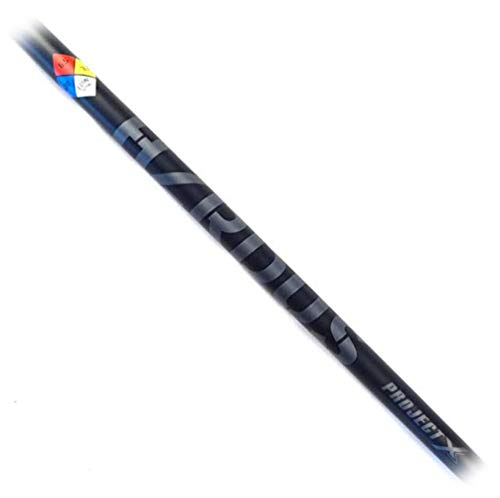
Best High Launch Low Spin Driver Shaft: Unlock Distance and Accuracy
Learn how the right high launch low spin driver shaft can add carry yardage, tighten dispersion, and transform your tee shots — plus expert fitting guidance and top shaft profiles explained.
Why it matters: A high launch low spin driver shaft is one of the most requested fitting profiles among golfers who want more carry distance without ballooning ball flight. When paired with the right head and swing, it produces a penetrating trajectory that maximizes total distance and improves control off the tee.
In This Guide
What Is a High Launch Low Spin Driver Shaft?
A high launch low spin driver shaft is engineered with a bend profile and material construction that help the clubhead deliver a higher launch angle while keeping backspin relatively low. The goal is a ball flight that climbs quickly, flattens out, and carries farther before landing — rather than a low, spinny flight that loses distance or a high, ballooning flight that stalls in the wind.
In practice, this profile usually relies on a softer tip section combined with a stiffer mid and butt section, allowing the shaft to kick through impact in a way that promotes dynamic loft without excessive spin. Many modern premium shafts use multi-material designs to achieve this balance. If you are also exploring the opposite end of the spectrum, our guide to the best low launch low spin driver shaft covers the flatter, more penetrating alternative.
The shaft alone does not determine launch and spin — the clubhead, loft, angle of attack, and ball choice all interact. That is why understanding your numbers matters. Our golf ball guide for 100 mph driver swing speed and 105 mph swing speed ball guide can help you match the ball to your new shaft profile.
How Launch and Spin Work Together
Launch angle and spin rate are the two most influential launch monitor metrics for driver distance. For most golfers, carry distance is optimized when launch is high enough to keep the ball airborne but spin is low enough to prevent excessive drag. There is an optimal window for every swing speed and angle of attack.
- Too much spin: The ball balloons, loses forward momentum, and can be affected heavily by wind.
- Too little spin: The ball may not stay airborne long enough, reducing carry and making the flight unstable.
- Sweet spot: A high launch with moderate-to-low spin produces a flat, piercing trajectory with strong carry and roll-out.
For a deeper comparison of ball options that complement this trajectory, see our guide to the best golf ball for 115 mph swing speed. Slower swing players may benefit from a softer profile — our 90 mph swing speed ball guide breaks down the trade-offs.
Who Benefits Most From This Profile?
A high launch low spin driver shaft is not a one-size-fits-all solution, but certain golfer profiles tend to see the biggest gains:
- Golfers with a negative angle of attack who hit down on the driver and produce excessive spin.
- Players with moderate swing speeds who need help getting the ball airborne without adding spin.
- Golfers who struggle with a ballooning ball flight that loses distance into the wind.
- Mid-handicap players looking for more consistent carry distance and tighter dispersion.
Players with very high swing speeds may need a lower-launch, lower-spin profile depending on their delivery. If you are also upgrading your irons, our guide to the best golf iron shafts for mid handicappers offers complementary fitting insight.
Key Shaft Specs to Understand
When evaluating high launch low spin driver shafts, focus on these characteristics:
| Spec | What It Does | What to Look For |
|---|---|---|
| Weight | Affects feel, swing timing, and stability | Lighter for speed, heavier for control and stability |
| Flex | Controls how much the shaft bends and kicks | Match to swing speed and tempo, not just distance |
| Tip Profile | Influences launch and spin | Softer tip for higher launch; stiffer mid/butt for stability |
| Torque | Rotational resistance and feel | Lower torque for stability; higher torque for smoother feel |
| Bend Point | Where the shaft bends most | Mid-to-high bend point often pairs with higher launch |
| Kick Point | How the shaft releases through impact | Higher kick point can promote a flatter, more stable flight |
Choosing the right shaft weight and flex is critical. If you are unsure about your swing speed category, our high swing speed mid handicap ball guide and 90 mph compression guide provide context that helps you match all your equipment decisions.
Shaft Profiles by Performance Tier
Rather than focusing on specific prices or ever-changing model years, it helps to understand high launch low spin driver shafts by performance tier. Below is a breakdown of what each tier typically offers.
Budget-Friendly Profiles
Generally offer a softer tip and basic material construction. Suitable for newer golfers and slower swing speeds looking for an easy, higher launch. Feel can be less refined than higher tiers, and shot-to-shot consistency may vary.
Balanced Performance
A sweet spot for many golfers. Mid-tier shafts typically use improved materials and more refined bend profiles, delivering a better balance of launch, stability, and feel. Good choice for mid-handicap players seeking consistency.
Tour-Inspired Engineering
These shafts use advanced multi-material construction and precision profiles. They offer tighter tolerances, more consistent feel, and better energy transfer. Ideal for stronger players and those who demand the most refined launch characteristics.
Entry-level models are often a sensible starting point if you are still developing your swing. Mid-range options frequently deliver the best value for improving players, while premium shafts reward consistent, repeatable swings with tighter performance. If you are also upgrading your iron shafts, our guide to the best graphite golf shafts for irons provides a useful comparison framework.
Golfers seeking more forgiveness in the rest of the bag may want to explore irons for high handicappers and game improvement irons for high handicappers to build a cohesive setup.
Fitting Tips and Launch Monitor Numbers
Getting fitted is the single most reliable way to identify the best high launch low spin driver shaft for your game. A fitter can test multiple profiles and measure the results on a launch monitor. Below are typical target ranges many fitters aim for, though optimal numbers vary by swing speed and angle of attack.
| Metric | General Target Range | Notes |
|---|---|---|
| Launch Angle | 13–16 degrees | Higher for slower speeds, lower for faster speeds |
| Spin Rate | 2,000–2,800 RPM | Lower spin for faster speeds; avoid dropping too low |
| Smash Factor | 1.45–1.50 | Indicates efficiency of energy transfer |
| Angle of Attack | +2 to +5 degrees (upward) | Positive AoA helps reduce spin |
| Dynamic Loft | 12–16 degrees | Result of head loft plus shaft delivery |
If you want to practice and verify your launch numbers at home, a launch monitor can be an excellent investment. See our comparisons of the best golf launch monitor for the money and the best launch monitor for hitting into a net to get started.
Common Mistakes to Avoid
Even with the right shaft, golfers sometimes struggle to see the expected gains. Here are common pitfalls:
- Chasing the lowest spin possible: Too little spin reduces carry and makes flight unstable. Moderate spin is your friend.
- Ignoring angle of attack: A negative AoA adds spin regardless of shaft profile. Addressing delivery is often more effective than changing shafts.
- Choosing flex based on pride: Play the flex that produces the best numbers, not the stiffest option available.
- Overlooking ball choice: A high-spin ball can undo the benefits of a low-spin shaft. Review our low spin golf balls for high handicappers and low spin golf balls for mid handicappers guides for matching options.
- Skipping the fitting: Trial and error can be expensive and time-consuming. A professional fitting is the fastest path to the right shaft.
If you are building a more complete practice setup, our guides to the best golf hitting net for backyard and best home practice putting green can help you test your new setup effectively.
Ready to Upgrade Your Driver Shaft?
Explore our curated selection of high launch low spin driver shafts and matching equipment to put your new fitting knowledge into action.
View Recommended EquipmentFrequently Asked Questions
What is the difference between a high launch low spin shaft and a low launch low spin shaft?
A high launch low spin shaft is designed to help the ball climb quickly while reducing backspin, producing a high, flat, carrying trajectory. A low launch low spin shaft promotes a lower, more penetrating flight. The right choice depends on your swing speed, angle of attack, and the trajectory you want. For the alternative profile, see our low launch low spin driver shaft guide.
Will a high launch low spin shaft work for slower swing speeds?
Yes, with caveats. Slower swing players often benefit from a higher launch to maximize carry, but a shaft that is too stiff or too low-torque can make it harder to load and square the face. Lighter weights and softer flexes are usually the better fit. Our golf ball guide for seniors with slow swing speed provides helpful context.
Does shaft weight matter as much as the bend profile?
Both matter, but for different reasons. Weight affects swing timing and feel, while bend profile and tip stiffness influence launch and spin. Many fitters start by dialing in weight and then fine-tuning the profile.
Can I just buy a shaft online without getting fitted?
You can, but results vary. Without data, it is easy to choose a profile that does not match your delivery. If you cannot get fitted in person, consider a reputable online fitting service or test multiple options on a launch monitor before committing.
What launch monitor numbers should I aim for?
Most fitters target roughly 13–16 degrees of launch and 2,000–2,800 RPM of spin, but optimal values depend on swing speed and angle of attack. Work with a fitter to find the window that maximizes carry and control for your game.