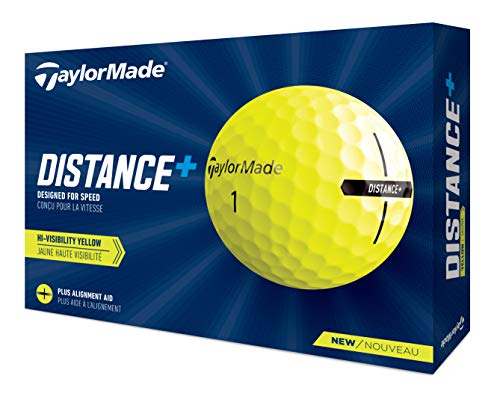
Best Budget Golf Ball for High Swing Speed
High swing speed does not have to mean high prices. This guide breaks down the affordable golf balls that still deliver the distance, spin control, and durability fast swingers need — without forcing you into premium tour-ball territory.
Quick Verdict: For golfers with driver swing speeds around 100 mph and above, the smartest budget choices are firm-compression urethane balls from direct-to-consumer brands and warehouse labels. These models preserve ball speed, keep driver spin in check, and offer enough greenside control to make them playable scoring tools. The best value often comes from balls designed for the 100 mph window, where a slightly firmer core prevents the energy loss that softer budget balls suffer at high impact.
Why High Swing Speed Changes the Budget Ball Equation
When your driver swing speed climbs above roughly 100 mph, the golf ball compresses more deeply at impact. A ball that feels wonderfully soft at moderate speed can become mushy and inefficient at high speed, losing ball speed and producing excessive driver spin that costs carry distance. This is why many entry-level and low-compression budget balls are a poor match for fast swingers, even though they perform beautifully for slower swings.
The ideal budget ball for high swing speed needs a firm enough core or mantle to resist over-compression, a cover that can manage spin on approach shots, and construction quality that holds up to repeated powerful strikes. Fortunately, the market now offers several affordable models that meet these criteria. The key is knowing which specifications matter and which marketing claims to ignore.
If you already know your swing speed is in the high range, the goal is to filter budget options by compression and cover material rather than by brand prestige. A well-chosen mid-priced urethane ball often outperforms a poorly matched premium ball for a fast swinger, because fit matters more than price tier alone. You can explore broader golf equipment guidance if you want to understand how ball selection fits into the rest of your bag setup.
The Budget Tiers That Work for Fast Swingers
Budget golf balls are not a single category. For high swing speed players, two tiers are worth considering: firm ionomer distance balls at the entry-level end, and cast urethane models from direct-to-consumer or warehouse brands at the mid-range value end. Each has trade-offs.
| Tier | Typical Construction | What It Does Well | Trade-Off |
|---|---|---|---|
| Entry-Level Firm Ionomer | 2-piece, firm core, ionomer cover | Maximum distance off the tee, durable, very budget-friendly | Limited greenside spin; feels firmer on short shots |
| Mid-Range Value Urethane | 3-piece or 4-piece, firm core, cast urethane cover | Better short-game control, adequate driver spin management | Slightly higher cost than ionomer; still far below tour-ball pricing |
| Premium Tour (Reference) | Multi-layer, tour-grade urethane | Best all-around spin consistency and feel | Highest cost; overkill for many recreational fast swingers |
For a fast swinger on a budget, the mid-range value urethane tier usually represents the sweet spot. You get a cover that can generate usable greenside spin while still benefiting from a core designed to handle high-speed impact. Entry-level firm ionomer balls are viable if your priority is pure distance and you are willing to accept a firmer feel and reduced stopping power on approach shots.
Key Specifications to Look For
Compression
Compression is the single most important specification for matching a ball to high swing speed. While compression ratings are not perfectly standardized across brands, the general principle holds: faster swings benefit from firmer compression. Balls in the higher compression range resist deformation at impact, preserving energy transfer and preventing the ballooning spin that softer balls can produce when struck hard. If a budget ball lists a compression rating, look for models positioned in the firm range rather than those marketed for soft feel.
Cover Material
Urethane covers offer meaningfully better greenside spin and control than ionomer covers. For a high swing speed player who wants to score, not just bomb drives, a budget urethane ball is usually worth the modest premium over the cheapest ionomer options. That said, not all urethane covers are equal — cast urethane typically provides more consistent spin than injected urethane, and value-focused brands have closed much of the performance gap with premium tour balls in recent years.
Construction and Layer Count
Three-piece and four-piece constructions give designers more freedom to tune different parts of the ball’s performance: a firm core for speed, a mantle layer to manage spin, and a cover for feel and greenside control. Budget two-piece balls can work for fast swingers seeking maximum distance, but they rarely offer the short-game versatility that keeps scores down. When comparing 3-piece urethane cover golf balls, prioritize models with a reputation for maintaining ball speed at high impact.
How to Evaluate a Budget Ball Without Launch Monitor Data
Not every golfer has access to a launch monitor, but you can still make a smart budget ball decision using on-course observation and a few simple tests.
- Driver flight window: A well-matched ball for high swing speed should produce a penetrating flight that holds its line in the wind. If your drives balloon or feel like they are climbing too steeply, the ball is likely spinning too much for your speed.
- Iron stopping power: Hit several mid-irons into a green and watch the ball’s first bounce. A ball with adequate spin will check or release predictably; a low-spin budget ball will bound forward, making it harder to hold firm greens.
- Wedge feel and control: Around the green, a urethane ball should feel responsive rather than clicky. You want enough grip on short pitches to control rollout without needing to manufacture spin.
- Durability: Fast swingers stress covers more. After a few full wedge shots, check for scuffing or peeling. A budget ball that shreds quickly ends up costing more per round than its initial value suggests.
If you want to cross-reference your observations with broader swing-speed-specific recommendations, the guide to the best cheap golf ball for high swing speed covers additional value-focused options and how they compare in real-world conditions.
When It Makes Sense to Spend Slightly More
Budget does not mean the absolute lowest price. For a high swing speed player, a modest step up from the cheapest options often unlocks meaningful performance gains. The difference between an entry-level ionomer ball and a mid-range value urethane ball can be the difference between a ball that only helps you off the tee and one that also helps you score.
Consider your priorities. If you lose very few balls and play frequently, the per-round cost difference between a budget urethane model and a premium tour ball may be smaller than you think, especially if the budget ball delivers 90 percent of the performance. Conversely, if you are still working on consistency and lose several balls per round, a firm entry-level distance ball can be the more practical choice. The best balls for high handicappers guide can help you balance performance with practicality if you are earlier in your improvement journey.
It is also worth remembering that ball fitting is not only about swing speed. Launch angle, typical miss pattern, and the courses you play all influence which ball will perform best. A high swing speed player who hits a low draw may benefit from a different profile than one who hits a high fade, even if both swing at the same speed. Use budget-friendly options to experiment with different constructions before committing to a bulk purchase.
Frequently Asked Questions
Can a budget golf ball really handle high swing speed?
Yes, provided it has a firm enough compression and durable construction. Modern manufacturing has made firm-compression budget balls far more capable than older value models. The key is avoiding low-compression “soft feel” balls that are designed for slower swings and can become inefficient at high impact speeds.
Is urethane necessary for a fast swinger on a budget?
Not strictly necessary, but highly recommended if you care about greenside control. Urethane covers offer significantly more spin on wedge shots and chips, which matters for scoring. If your priority is pure distance and durability, a firm ionomer ball can work, but you will sacrifice stopping power on approach shots.
How often should a high swing speed player replace their golf ball?
Inspect your ball after every few holes, especially after full wedge shots or contact with trees and cart paths. Fast swingers impart more stress on covers, so scuffing and flattening can occur more quickly. A ball with visible cover damage will not spin or fly consistently, so replace it before it costs you strokes.
Do I need a different ball for driver versus irons?
No. The same ball is used for every shot in a round, which is why finding a model that balances driver distance, iron control, and wedge spin is important. Budget urethane balls generally offer the best compromise for fast swingers who want one ball to do everything reasonably well.