Best Golf Balls for High Handicappers: Play Straighter, Longer, and Smarter
Choosing the right golf ball is one of the simplest equipment decisions you can make to keep more shots in play. For high handicappers, the ideal ball reduces excess spin, launches easily, and survives the occasional cart path encounter. This guide breaks down exactly what to look for and which models consistently deliver for players shooting in the 90s and beyond.
Why this matters: A premium tour ball is engineered for players who consistently find the center of the clubface and generate high swing speeds. If your strike location varies and your priority is keeping the ball out of trouble, a low-compression, low-spin design will do more for your scorecard than any premium urethane cover ever could.
What Makes a Golf Ball Suitable for High Handicappers?
High handicappers come in many forms—some swing fast but struggle with direction, while others have slower speeds and need help getting the ball airborne. The common thread is that consistency off the tee and predictable behavior around the greens matter more than maximum short-game spin. Three design features drive that performance:
Low Compression Core
A softer core compresses more easily at moderate swing speeds, which helps transfer energy into ball speed. Low compression balls also tend to reduce excess sidespin, keeping slices and hooks from curving as severely. Most high handicappers fit comfortably in the 35 to 70 compression range.
Two-Piece Construction
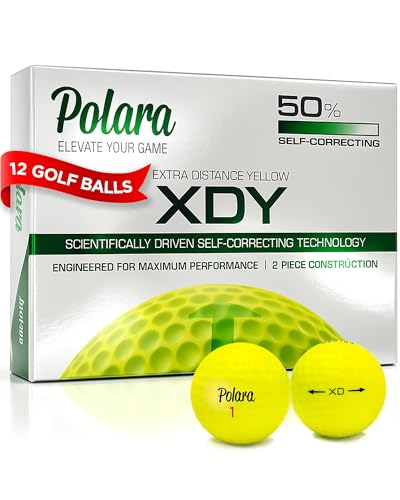
Simple two-piece designs pair a large core with a durable ionomer or Surlyn cover. This construction prioritizes distance and durability while keeping spin low. You sacrifice some greenside bite compared to urethane, but you gain a ball that flies straighter and survives more rounds.
Low Driver Spin
Spin is the enemy of accuracy for inconsistent swings. Balls engineered for low driver spin produce tighter dispersion and more roll-out, which translates to fewer lost balls and shorter second shots. Look for models marketed as distance-focused or low-spin.
How to Match Your Ball to Your Swing Profile
Not every high handicapper needs the same ball. The table below outlines common player profiles and the ball characteristics that suit them best. Use this as a starting point before exploring specific models in the recommended products section below.
| Player Profile | Key Need | Recommended Ball Characteristics |
|---|---|---|
| Moderate swing speed, struggles with slice | Reduce sidespin and keep the ball in play | Low compression (40–60), two-piece ionomer cover, low driver spin. Balls designed with anti-sidespin cores are especially helpful. |
| Slower swing speed, needs distance | Maximize carry and launch height | Ultra-low compression (35–50), high launch dimple pattern, soft feel. Look for balls marketed specifically for slower swing speeds. |
| Fast swing but inconsistent contact | Forgiveness on off-center hits without excessive spin | Mid compression (60–80), two or three-piece construction, moderate spin. Avoid high-spin tour balls that amplify curvature. |
| Improving player prioritizing short-game feel | Balance distance with greenside control | Mid-range soft feel with a slightly softer cover. Consider a value-oriented urethane or hybrid cover as wedge contact improves. |
Practical tip: If you lose more than two or three balls per round, prioritize durability and value over premium short-game spin. A ball you are not afraid to swing freely with will produce better results than a tour model you are trying to steer. Browse our best golf balls for beginners guide if you are just starting out, or explore golf equipment fundamentals to build a smarter bag overall.
Key Features to Prioritize (and What to Ignore)
- Compression rating: Stick to low or mid compression unless your swing speed exceeds 100 mph with the driver and your contact is consistently centered.
- Cover material: Ionomer and Surlyn covers are more durable and produce less spin. Urethane is not necessary until your wedge game is a scoring weapon rather than a recovery tool.
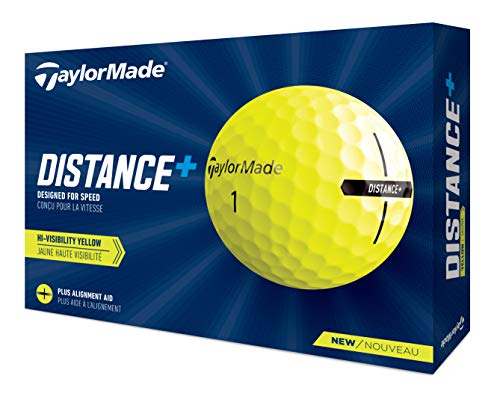
- Visibility and alignment: High-visibility colors (optic yellow, matte finishes) and alignment aids help with aim and finding your ball in the rough. These small details save strokes over a round.
- Consistency over novelty: Once you find a ball that feels predictable off the putter and flies consistently, stick with it. Constantly switching models prevents you from developing reliable distance and feel calibration.
If you are also looking to upgrade the clubs in your bag, our guide to the best golf clubs for high handicappers covers forgiving irons, hybrids, and drivers that complement a low-spin ball. For players who struggle specifically with long irons, a forgiving hybrid can replace hard-to-hit irons and make your ball choice even more effective.
How to Test Golf Balls Before Committing
You do not need a launch monitor to evaluate whether a ball suits your game. A simple on-course test with two or three candidates will reveal more than any specification sheet:
- Driver dispersion test: Hit ten drives with each ball on a quiet hole or at the range. Ignore total distance and focus on left-to-right spread. The ball that keeps you closer to your target line is the winner.
- Wedge predictability: From 40 to 60 yards, hit ten shots with each candidate. You want a consistent launch window and predictable rollout. If one ball produces surprising hot or dead reactions, eliminate it.
- Putter feel: Roll ten putts from six feet and ten lag putts. The right ball will produce a sound and feel that encourages a confident stroke. If you decelerate with one ball, it is not the right choice.
Remember: A golf ball cannot fix a swing path flaw. If your miss is a consistent slice or hook, a low-spin ball will reduce the curvature but will not eliminate it. Pair your ball choice with short game tips and course management strategies to lower your scores holistically.
Frequently Asked Questions
What compression golf ball is best for a high handicapper?
Most high handicappers benefit from low to mid compression balls in the 35 to 70 range. Softer cores compress more easily at moderate swing speeds, helping generate ball speed while reducing excess sidespin. If your swing speed is below 85 mph, lean toward the lower end of that range.
Should high handicappers use urethane golf balls?
Urethane covers offer superior greenside spin, but they come at a premium and can amplify curvature on off-center hits. For most high handicappers, a two-piece ionomer or Surlyn construction provides better value, durability, and straighter ball flight until wedge contact becomes consistent enough to benefit from extra spin.
How often should a high handicapper replace their golf ball?
Replace your ball when the cover shows visible scuffs, cuts, or flat spots. High handicappers often lose balls before wear becomes an issue, so choosing a durable ionomer cover and a high-visibility color helps you get more rounds from each ball and spend less time searching.
Ready to Choose the Right Ball for Your Game?
Explore our recommended products below to find low-compression, forgiving golf balls that match your swing speed and budget. Every selection is geared toward helping high handicappers keep the ball in play and enjoy the game more.