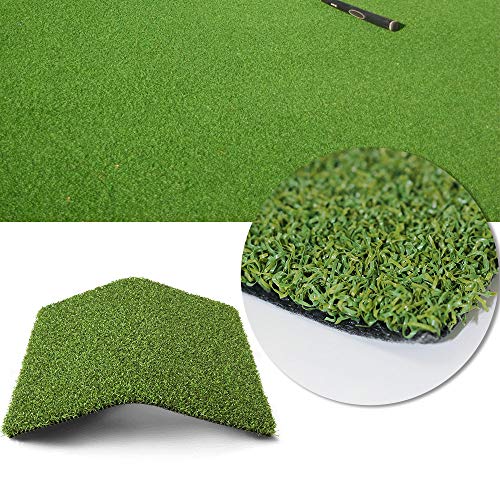
Artificial Putting Green Installation in Stirling
Transform your garden into a year-round practice facility with a professionally installed synthetic putting green. This guide explains costs, turf selection, installation stages, and maintenance so you can make a confident, informed decision.
Explore Installation StepsWhy a putting green in Stirling? With unpredictable weather and limited daylight, a synthetic green lets you practise your short game whenever you like. Stirling's mix of clay and loam soils, combined with its cool, wet climate, makes professional sub-base preparation especially important — a factor this guide covers in detail.
Why Stirling Homeowners Are Choosing Artificial Putting Greens
Stirling sits at the gateway to the Highlands, and its residents are well served by some excellent courses. However, booking tee times, travelling to a driving range, or finding time between work and family commitments can be difficult. An artificial putting green removes those barriers. You can step outside and practise for ten minutes or two hours, any day of the year, regardless of frost, rain, or fading light.
Beyond convenience, a synthetic green also improves the value of your property and gives family members of all ages a safe, low-impact activity in the garden. If you are still evaluating whether a home practice area is right for you, our overview of at-home golf training aids provides useful context on how a putting green fits into a broader practice routine.
Year-Round Use
No mud, no waterlogging, and no maintenance downtime. Practise through autumn and winter when natural greens are closed.
Low Maintenance
No mowing, watering, or fertilising. A quick brush and occasional rinse keep the surface performing like new.
Consistent Roll
Premium synthetic turf delivers a true, repeatable ball roll — ideal for building muscle memory in your stroke.
Custom Contours
Undulations, tiers, and breaks can be built into the sub-base to simulate the challenges of a real green.
Durable Surface
Quality turf withstands years of use and Stirling's damp climate without degrading.
Adds Property Value
A well-installed green is an attractive lifestyle feature that appeals to golfing buyers.
Understanding Installation Costs in Stirling
Every putting green project is different, and quotes in Stirling vary according to several interrelated factors. Rather than quoting a single figure, reputable installers price each job based on the following variables:
- Size and shape — A compact practice green for chipping and putting occupies far less material and labour than a multi-hole layout with distinct teeing areas.
- Turf specification — Entry-level turf suits basic practice, while premium or luxury-grade turf with denser fibres and better UV stability commands a higher tier.
- Sub-base preparation — Excavation, drainage, and a properly compacted aggregate base are the hidden costs that determine whether the green performs and lasts.
- Design complexity — Contours, bunkers, fringe areas, and built-in cups all add to the design and labour workload.
- Access and groundworks — Restricted access to the garden or sloping ground may require extra machinery or retaining structures.
If you are weighing up the relative value of different surface options, our explainer on artificial putting green cost per square foot breaks down how turf grade, base depth, and finishing details influence the overall specification. For a broader comparison of design and installation approaches across different garden sizes, see the guide on the average cost of a backyard putting green.
| Turf Tier | Characteristics | Best Suited To | Durability |
|---|---|---|---|
| Entry-Level | Shorter pile, simpler backing, fewer fibre types | Casual practice, small spaces, tight budgets | Good |
| Mid-Range | Denser fibres, improved UV stability, varied pile heights | Regular practice, family use, medium gardens | Very Good |
| Premium | Multi-filament construction, realistic ball roll, strong warranty | Serious golfers, custom contours, large layouts | Excellent |
| Luxury | Tour-grade simulation, extended warranties, bespoke finishing | Flagship installations, tournament-style practice | Outstanding |
Tip: Always request a detailed written quote that separates turf supply, sub-base work, labour, and finishing items. This makes it easier to compare installers fairly and avoids surprises once work begins.
Choosing the Right Synthetic Turf for a Putting Green
The turf you select is the most visible and tactile element of the finished green, but it must also perform. A putting-specific turf differs from general landscaping turf in its fibre density, pile height, and infill. When evaluating options for your Stirling installation, pay attention to these specifications:
- Pile height — Putting greens typically use shorter pile (in the region of a closely mown green) to allow the ball to roll smoothly. Fringe and chipping areas can use slightly longer turf.
- Fibre density — Higher density means the ball sits up consistently and the surface resists wear from repeated foot traffic.
- Infill — Silica sand infill is common; it stabilises the fibres, controls speed, and helps the surface feel firm underfoot.
- UV stability — Important for any outdoor installation; Stirling's summers, while mild, still expose turf to UV. Premium turf lines generally offer better colour retention.
- Backing and drainage — A perforated backing allows water to drain through, which matters given Stirling's rainfall.
For a detailed comparison of turf products suitable for outdoor home greens, including performance and longevity considerations, read our guide to the best artificial turf for outdoor putting greens. You may also want to explore how a green complements other practice equipment in our short game resource hub.
The Installation Process: Step by Step
A professional installation follows a logical sequence. Understanding these stages helps you ask the right questions of any Stirling installer and anticipate what will happen on site.
1. Site Survey and Design
The installer assesses soil type, drainage, access, and sun exposure, then produces a design showing green size, shape, contours, and cup positions. In Stirling, where heavy clay can impede drainage, this stage often includes a drainage plan.
2. Excavation and Groundworks
The area is stripped of existing turf and soil to the required depth. On sloping ground, retaining edges may be built. Correct excavation is the foundation of a level, long-lasting green.
3. Sub-Base Construction
A compacted aggregate layer (typically crushed stone) is laid and graded to create the desired contours. This is the most critical stage for performance — it determines how the ball breaks and how well the green drains.
4. Turf Fitting and Cutting
The synthetic turf is rolled out, allowed to settle, then cut to shape. Seams are joined carefully and the turf is secured at the edges.
5. Infill and Brushing
Silica sand infill is spread evenly and brushed into the fibres. This process firms the surface, controls speed, and gives the green a natural feel underfoot.
6. Finishing and Quality Check
Cups are installed, fringe areas finished, and the surface tested for roll and consistency. A good installer will walk you through the finished green and explain maintenance.
- Survey & design — Agree layout, contours, and drainage approach.
- Excavation — Remove existing surface and prepare ground.
- Sub-base — Compacted aggregate shaped for breaks and drainage.
- Turf fitting — Cut, seam, and secure the synthetic turf.
- Infill & brush — Sand infill brushed in for performance.
- Finish & handover — Cups installed, final checks, maintenance advice.
Maintaining Your Artificial Putting Green
One of the most attractive aspects of a synthetic green is how little it demands after installation. In Stirling's damp climate, however, a small amount of routine care keeps the surface performing at its best:
- Brushing — Brush the surface regularly (especially after heavy use or rain) to keep fibres upright and distribute infill evenly.
- Rinsing — An occasional rinse removes pollen, bird droppings, and debris. Ensure drainage channels remain clear.
- Infill top-up — Over time, infill can migrate; check levels annually and top up if needed.
- Avoid sharp objects — Keep garden tools, furniture legs, and pet claws from damaging the turf.
- Seasonal checks — After winter, inspect seams and edges, and clear any fallen leaves that could block drainage.
For more ideas on structuring practice around your new green, explore our short game tips and chipping net guides, which pair well with a home putting setup.
Working with an Installer in Stirling
Stirling and the surrounding area is served by a range of landscaping and sports-surface specialists. When shortlisting contractors, consider the following:
- Portfolio — Ask to see completed putting greens, ideally ones installed a few years ago, so you can judge how they have aged.
- Drainage expertise — Given local soil conditions, ask how they handle drainage and sub-base preparation.
- Turf partnerships — Installers who work closely with reputable turf manufacturers can often offer better warranties and specification advice.
- Written quote — Ensure the quote itemises turf, sub-base, labour, and finishing.
- Aftercare — Confirm what warranty and maintenance guidance is included.
If you are planning a broader garden project alongside your green, it is worth reading about complementary practice facilities such as an indoor mini golf setup for rainy days, or reviewing our golf equipment hub for ideas on building a complete home practice environment.
Frequently Asked Questions
How long does installation take?
A typical backyard green in Stirling takes three to seven days, depending on size, design complexity, and ground conditions. Larger or more intricate projects may take longer.
Will an artificial green survive Stirling's weather?
Yes. Quality synthetic turf is designed for year-round outdoor use and is unaffected by frost, rain, or moderate UV exposure. Proper drainage and sub-base preparation are the key factors.
Can the green be shaped with breaks and undulations?
Absolutely. The sub-base is graded to create contours, tiers, and breaks. Experienced installers can replicate the challenge of a real green, though steep slopes may require retaining work.
Is planning permission required?
In most domestic gardens, a putting green is considered permitted development. However, if your property is listed or in a conservation area, check with Stirling Council before proceeding.
How does it compare with a natural green?
A synthetic green offers consistent roll, zero mowing or watering, and all-year use. A natural green offers a different aesthetic and feel but requires significant ongoing maintenance. For most home golfers, synthetic turf is the practical choice.
Whether you are a beginner building a practice routine or an experienced player refining your stroke, a home putting green is one of the most effective investments you can make. Pair it with the right training tools — from alignment aids to launch monitors — and you will see steady improvement in your short game. Explore our launch monitors guide and alignment sticks advice to round out your practice setup.