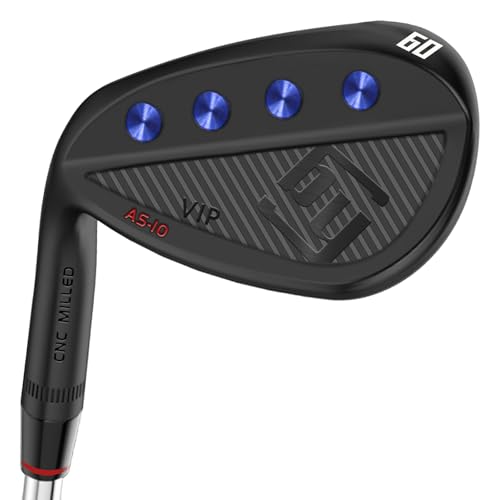
60 Degree Left Handed Lob Wedge: The Ultimate Guide
Master the highest-lofted club in your bag. Learn how a 60 degree left handed lob wedge can transform your short game, from delicate flop shots to confident bunker escapes.
EXPLORE THE GUIDEWhy a 60 degree left handed lob wedge matters: For left handed golfers, finding the right lob wedge can be the difference between saving par and making a double bogey. This guide breaks down everything you need to know — loft, bounce, grind, shaft, and technique — so you can choose with confidence and play with precision.
What Is a 60 Degree Left Handed Lob Wedge?
A 60 degree left handed lob wedge is a short-game club engineered for left handed golfers who need to hit high, soft shots that land steeply and stop quickly. The 60-degree loft is the highest commonly used wedge loft, sitting above the sand wedge (typically 54–56 degrees) and gap wedge (typically 50–52 degrees).
Because left handed golfers make up a smaller portion of the golf market, finding a dedicated 60 degree lob wedge in left handed configuration requires a bit more research. Fortunately, major wedge manufacturers now offer left handed options across their premium and mid-range lines, giving lefties access to the same grind and bounce configurations as right handed players. Whether you are upgrading your entire wedge setup or simply adding a specialist club, understanding the nuances of a lob wedge will help you make a smarter purchase. For a broader look at club selection, see our guide on the best clubs for left handed golfers.
Key Features to Evaluate
Loft & Launch
The 60 degree loft produces a steep descent angle, making the ball stop fast on firm greens. It is the go-to choice for flop shots and short-sided situations where you need maximum height with minimal roll.
Bounce
Bounce ranges from low (4–8 degrees) to high (10–14 degrees). Low bounce suits firm turf and tight lies, while high bounce excels in soft sand and lush rough. Mid-bounce is the most versatile.
Grind
The sole grind affects how the leading edge interacts with the turf. C-grinds and M-grinds offer versatility for opening the face, while full-sole grinds provide stability in sand.
Shaft
Wedge shafts are typically stiffer and heavier than iron shafts to promote control. Steel remains the standard, but graphite options are popular among golfers with slower swing speeds or joint concerns.
Head Shape
Tour-inspired shapes offer a compact look with a straighter leading edge, while game-improvement lob wedges feature wider soles and perimeter weighting for added forgiveness.
Grip
A slightly larger or softer grip can quiet the hands on delicate shots. Many premium wedges ship with specialized short-game grips that reduce tension.
Bounce Selection Guide
Choosing the right bounce is arguably more important than the loft itself. Use this table to match bounce to your swing and typical course conditions.
| Bounce Category | Degrees | Best For | Typical Tier |
|---|---|---|---|
| Low Bounce | 4–8° | Firm turf, tight lies, shallow divots, links-style courses | Entry-level to mid-range |
| Mid Bounce | 8–10° | Versatile all-around play, moderate turf, mixed conditions | Mid-range |
| High Bounce | 10–14° | Soft sand, lush rough, steep attack angle, soft conditions | Mid-range to premium |
If you are unsure which bounce suits your game, start with a mid-bounce model and adjust from there. Golfers who play in varied conditions often benefit from carrying two lob wedges with different bounce profiles, though most players will do fine with a single well-chosen 60 degree left handed lob wedge. For more short-game equipment insights, explore our wedges for mid to high handicappers.
Pros and Cons of a 60 Degree Lob Wedge
Advantages
- Produces high, soft shots that stop quickly on the green
- Essential for flop shots over bunkers and obstacles
- Excellent for escaping deep bunkers with a steep face
- Allows aggressive attack on short-sided pins
- Available in left handed configurations from major brands
Considerations
- More difficult to hit consistently than sand or gap wedges
- Requires practice to avoid thin and fat shots
- Not ideal for full-swing shots from the fairway
- Limited left handed inventory compared to right handed models
- High-lofted shots can be affected by wind
Buying Guide: What to Look For
When shopping for a 60 degree left handed lob wedge, focus on these four criteria to narrow your options:
- Bounce and grind match your conditions. A low-bounce C-grind suits firm, tight courses, while a high-bounce wide sole is better for soft sand and lush rough. If you play a variety of courses, choose a mid-bounce versatile grind.
- Shaft flex and weight. Most wedges use stiff or extra-stiff shafts to promote control. If you have a slower swing speed, consider a regular flex or graphite shaft. See our related guide on the best driver shaft for smooth tempo for insights into tempo-based shaft selection.
- Head shape and forgiveness. Tour-style blades offer precision and feel for skilled players. Game-improvement lob wedges with cavity backs and wider soles are more forgiving for mid and high handicappers.
- Brand availability in left handed. Not every manufacturer offers every grind in left handed. Check the brand's left handed lineup before committing to a specific model. Our best golf clubs for beginners to intermediate guide may help you contextualize your overall setup.
Understanding Product Tiers
Lob wedges fall into three broad tiers. Knowing these tiers helps you set expectations without relying on prices:
| Tier | Typical Characteristics | Best For |
|---|---|---|
| Entry-Level | Standard sole grinds, limited bounce options, basic shafts, fewer left handed configurations | New golfers or occasional players testing a lob wedge for the first time |
| Mid-Range | Multiple bounce and grind options, upgraded shafts, more left handed availability, improved feel | Regular golfers looking for a reliable, versatile lob wedge |
| Premium | Tour-inspired grinds, forged heads, premium shaft and grip options, extensive left handed lineup | Serious players and low handicappers who demand precision and feel |
Mid-range models usually offer the best balance of performance and availability for left handed golfers. Premium wedges provide the most grind options, but entry-level models can still be effective if the bounce matches your conditions.
Technique Tips for Left Handed Golfers
Owning a 60 degree left handed lob wedge is only half the battle. Here are practical technique tips to get the most from this specialized club:
- Open the face for flop shots. Lay the face open at address and aim left of your target. The bounce will help the club glide under the ball rather than dig into the turf.
- Use a narrow stance. A narrower stance promotes a steeper, more controlled swing path, which is ideal for lob wedge shots.
- Accelerate through the ball. Deceleration is the most common mistake with a lob wedge. Commit to the shot and keep the club moving through impact.
- Practice from varied lies. Spend time hitting from tight lies, deep rough, and bunkers to develop confidence with different bounce and grind interactions. Our short game tips section has more drills.
- Consider a club fitting. A professional fitting will help you match bounce, grind, shaft, and lie angle to your swing. See our golf schools for beginners resource if you are just starting your improvement journey.
Related Equipment Guides
Explore more resources to complete your short-game setup and overall bag:
- Best clubs to have in your golf bag — a full bag checklist including wedge selection.
- Best clubs to buy for beginners — foundational equipment advice for new golfers.
- Best golf clubs for high handicappers — forgiving options across the bag.
- Chipping net — practice your short game at home.
- Golf equipment — browse broader gear categories.
- Short game — techniques and strategies around the green.
Frequently Asked Questions
Ready to Upgrade Your Short Game?
Browse our recommended 60 degree left handed lob wedges below and take the next step toward lower scores.
View Recommended Models