
Used Electric Golf Carts for Sale: The Smart Buyer's Guide
Everything you need to know before purchasing a pre-owned electric golf cart — from battery health and motor inspection to fair value tiers and hidden repair risks.
Browse Recommended CartsWhy buy used? A pre-owned electric golf cart offers an affordable path into comfortable course transportation, neighborhood cruising, and property work. But unlike buying new, the condition of the battery pack, controller, and frame determines whether you get a reliable machine or an expensive project. This guide walks you through every checkpoint so you can negotiate with confidence and avoid costly surprises.
Why Choose an Electric Golf Cart?
Electric golf carts have become the default choice for most buyers, and for good reason. They run quietly, produce zero exhaust emissions, and require far less routine maintenance than gas-powered equivalents. There is no oil to change, no spark plugs to replace, and no fuel system to clean. For golfers who mainly use a cart on the course or around a residential community, an electric model delivers a smoother and more pleasant experience.
Another advantage is the low-end torque. Electric motors deliver instant power, which makes climbing hills and carrying heavier loads effortless. If you are comparing options, it helps to understand how battery-powered golf carts for sale differ from gas models in range and refueling logistics. Electric carts typically recharge overnight from a standard outlet, and modern lithium packs can be topped up in a few hours.
The trade-off is range and battery condition. A used electric cart is only as good as its battery pack, which is why the next section matters more than any other part of this guide.
Battery Types and What They Mean for Buyers
Two battery chemistries dominate the used market: flooded lead-acid and lithium-ion. Each behaves very differently over time, and understanding this difference is the single most important step in evaluating a used electric golf cart.
| Feature | Lead-Acid | Lithium-Ion |
|---|---|---|
| Typical lifespan | 4–6 years with regular watering | 8–10+ years with minimal care |
| Maintenance | Watering, terminal cleaning, equalizing | Essentially maintenance-free |
| Weight | Heavy; affects handling and tire wear | Light; improves acceleration and range |
| Replacement tier | Entry-level to mid-range | Mid-range to premium |
| Cold weather | Loses capacity in cold | Better cold tolerance |
When inspecting a lead-acid cart, check the date stamp on each battery. Batteries older than five years are near the end of their useful life, and replacing a full set can represent a significant portion of the cart's value. A cart sold with fresh batteries is worth far more than one with an aging pack, so factor this into your negotiation. For lithium carts, ask for the battery management system history and confirm the charger is the correct model — using the wrong charger is the most common cause of premature lithium failure. If you plan to store the cart seasonally, a battery tender for electric golf cart is a worthwhile addition to protect your investment.
The 10-Point Pre-Purchase Inspection
Never buy a used electric golf cart without a hands-on inspection and a test drive. Use this checklist to evaluate condition systematically. Bring a flashlight and, if possible, a multimeter to test battery voltage under load.
- Battery age and voltage: Check date stamps and measure voltage under load. Sagging voltage indicates a failing pack.
- Motor performance: Test acceleration on a hill. Listen for grinding or whining that suggests worn brushes or bearings.
- Controller and wiring: Look for melted connectors, corrosion, or amateur splices. A replacement controller is a major expense.
- Charger operation: Confirm the charger completes a full cycle and does not overheat. Verify it matches the battery chemistry.
- Frame and rust: Inspect the undercarriage for structural rust, especially around battery trays and suspension mounts.
- Tires and wheels: Check for uneven wear, which can indicate alignment or suspension issues. Confirm tires hold air.
- Brakes: Test stopping distance on a slope. Worn brake shoes or cables are common on older carts.
- Steering and suspension: Look for play in the steering box and worn bushings that cause wandering.
- Lights and accessories: Test headlights, turn signals, horn, and any aftermarket accessories for proper wiring.
- Serial number and title: Verify the serial plate matches the seller's documentation and confirm ownership history.
A thorough inspection takes about 30 minutes and can save you from inheriting a cart that needs a full electrical overhaul. If you are shopping through a private listing, our guide to used golf carts for sale by owner near me covers the additional due-diligence steps specific to private transactions.
Quality Tiers: Entry-Level to Luxury
Used electric golf carts fall into broad tiers based on age, brand pedigree, battery type, and feature set. Understanding these tiers helps you set realistic expectations without relying on price figures that change constantly.
Entry-level: Older lead-acid carts from established brands, often with tired batteries and basic features. These are budget-friendly project bases for buyers comfortable with minor repairs and battery replacement.
Mid-range: Carts with working lead-acid packs or early lithium conversions, updated controllers, and functional accessories. These represent the sweet spot for most recreational buyers who want reliability without premium pricing.
Premium: Recent-model carts with lithium batteries, factory accessories, and low hours. Condition and battery health are the primary value drivers here rather than cosmetic upgrades.
Luxury: High-end street-legal models with upgraded suspension, premium seating, and advanced electronics. These are typically the newest used carts and retain the most value.
If you are also outfitting your cart for course use, matching your cart tier to your playing needs matters. A cart bag with 14 full-length dividers pairs well with any tier, while a rangefinder for the money is a smart addition regardless of which cart you choose.
Where to Find Used Carts for Sale
Buyers have three main channels, each with distinct advantages and risks. Dealer inventory tends to be reconditioned and may include limited warranties, while private sales often offer better value but require more careful inspection. Online marketplaces combine convenience with the ability to compare many listings quickly.
If you prefer to see the cart in person before committing, searching for used electric golf carts for sale near me will surface local dealers and private sellers within driving distance. Always ask for the serial number before traveling and confirm the battery date in advance to avoid wasted trips.
Community bulletin boards, golf course pro shops, and neighborhood classifieds remain underrated sources. Carts listed in affluent retirement communities are often gently used and well maintained, making them excellent candidates for mid-range buyers.
Ongoing Maintenance and Ownership Costs
An electric cart is inexpensive to run but not free to maintain. Budget for these recurring items:
Battery care: Lead-acid packs need watering every few weeks during active use and periodic terminal cleaning. Lithium packs need almost nothing beyond keeping the charger matched and storing at partial charge.
Tires and brakes: Tires wear faster on heavy lead-acid carts. Brake adjustment should be checked annually on any cart used on hills.
Electrical upkeep: Corroded connectors and worn solenoids are the most common electrical failures. Keep connections dry and inspect the controller area seasonally.
Storage: If you store the cart for winter, disconnect the battery pack and use a tender on lead-acid models. A covered, dry location extends the life of every component.
Ownership costs are manageable, but battery replacement is the largest single future expense. Factor it into your purchasing decision now rather than discovering it a year after purchase.
Frequently Asked Questions
What should I check when buying a used electric golf cart?
Inspect battery age and type, test the motor under load on a hill, check the frame for rust, verify the charger completes a full cycle, examine tires and brakes, and confirm the controller and wiring are free of corrosion. Always take a test drive on varied terrain before committing.
How long do electric golf cart batteries last?
Lead-acid batteries typically last four to six years with regular watering, while lithium-ion packs can last eight to ten years or more. Battery age is the single most important factor in used cart valuation, so always check date stamps before negotiating.
Is a used electric golf cart better than a gas model?
Electric carts are quieter, require less maintenance, and produce no emissions, making them ideal for neighborhoods and golf courses. Gas carts offer longer range and faster refueling but need more routine engine maintenance and produce exhaust fumes.
Can I upgrade a used lead-acid cart to lithium later?
Yes, lithium conversions are popular and often worthwhile, but they require a compatible charger and sometimes controller adjustments. Factor the conversion cost into your offer if you buy a cart with an aging lead-acid pack.
Where can I find used electric golf carts for sale by owner?
Private sellers list carts on local marketplaces, golf course bulletin boards, and community classifieds. Buying by owner often means better value but requires thorough inspection since there is no dealer warranty backing the sale.
Best Used Electric Golf Carts & Accessories for Sale
⚠️ AFFILIATE DISCLOSURE: This website contains affiliate links. As an Amazon Associate, we earn from qualifying purchases. If you make a purchase through these links, we may receive a small commission at no additional cost to you. Read our full affiliate policy.

Saferwholesale Coco Boxer Elite Electric Golf Cart Larger Size 4 Passenger with AC & Heat - White
Check price on Amazon
ATS POWER Electric Golf Cart - 48V 5KW AC Motor 100AH Maintenance-Free Lead-Acid Battery, 16 MPH Top Speed IP67 4-Wheel Hydraulic Disc Brakes & LED Lights for Golf Course/Community Travel (Grey)
Check price on Amazon
4-Seater Electric Golf Cart with 5KW Motor 20 MPH Top Speed 44 Mile Long Range 60V, Advanced Suspension, Rear & Front Storage, IPS Display, Quick Charging for Recreational, Park, Hotel Shuttle (Black)
Check price on Amazon
Mobility Scooter Car Electric Golf Car Small LSV Low Speed Vehicle Golf Cart 4 Seater 60v Coco Coupe with Tints, AC & Heat
Check price on Amazon
SDLANCH 6-Seater Electric Golf cart 60V 105AH,65% pre Installed,Limited time self Pickup Discount
Check price on Amazon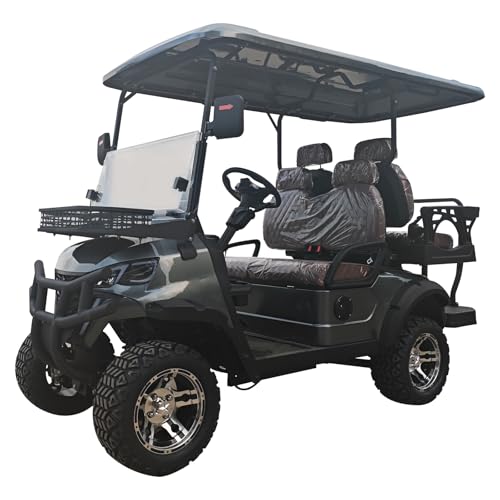
SDLANCH Damaged Inventory Does not Affect Usage,45-Mile Long Range 60V Electric Golf Cart - 4 Seater with 800 lbs Capacity, Heavy Duty for Recreational,with LED Lights, Quick Charging
Check price on Amazon
ATS POWER 4-Seater Electric Shuttle Golf Cart 48V 5KW IP67 Waterproof -16MPH Top Speed 50-60km Range with LED Lights, Disc Brakes & 5-Hour Quick Charging (White)
Check price on Amazon