Best Golf Rangefinder for the Money
Spending more does not automatically buy better golf. The right value rangefinder delivers fast, repeatable distances, clear optics, and a slope option you can legally switch off. This guide helps you separate genuine value from marketing noise.
Why this guide exists: Most golfers do not need a luxury rangefinder with a touchscreen GPS and app ecosystem. They need a device that locks onto the flag quickly, gives a trustworthy number, and survives normal bag life. The picks and principles below focus on that practical middle ground.
What Actually Matters in a Value Rangefinder
Accuracy First, Always
A rangefinder that is off by three or four yards is worse than useless—it creates false confidence. Entry-level and mid-range models from reputable brands routinely deliver accuracy within one yard at normal approach distances. Test against known course markers before trusting any device.[citation:1][citation:2]
Lock Speed and Feedback
Flag lock vibration, often called pulse or jolt, confirms you are measuring the pin rather than the tree behind it. On busy backgrounds, this feature saves time and prevents bad reads. Speed matters too: the best value models acquire a target in about one to two seconds.[citation:4][citation:19]
Slope With a Clean Switch
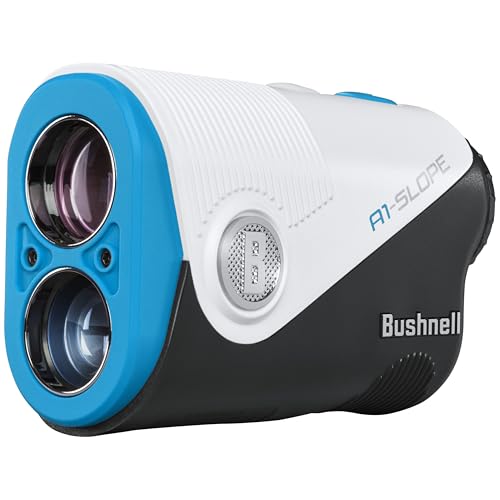
Slope-adjusted distance is useful in casual rounds. What separates good value from frustration is a slope toggle that is obvious and quick to disable for competition. A physical switch or a clearly labeled mode is preferable to digging through menus on the first tee.[citation:2][citation:13]
Optics You Can Read
You do not need premium glass to see a flag, but the display must remain legible in bright sun and against dark backgrounds. A dim or cluttered display turns every shot into a squint. OLED and high-contrast LCD screens are becoming more common in the value tier, which is a genuine improvement.[citation:1][citation:2]
Power and Ownership
Rechargeable batteries reduce ongoing cost and waste. Replaceable batteries offer travel convenience and a known replacement path. Either can work—the key is knowing which system you will actually maintain. Check warranty terms and support before buying.[citation:11]
Build and Water Resistance
A value rangefinder should survive normal use: a drop onto turf, light rain, and life in a golf bag. IPX4 splash resistance is a reasonable floor. A magnetic mount is also more than a convenience—it keeps the device accessible and reduces the chance of leaving it behind.[citation:2][citation:10]
Value Tiers, Not Price Tags
Instead of chasing fluctuating prices, think in terms of what each tier delivers. The descriptors below are relative, not absolute. A mid-range rangefinder from a few seasons ago may outperform a current entry-level model, and a well-chosen mid-range device is often the sweet spot for regular golfers.
Basic But Capable
These devices focus on one job: giving a distance. They typically include slope with a toggle, basic magnification, and a simple display. Accuracy is often within a yard, but lock speed and optics may lag behind pricier models. Best for casual players who want a reliable number without extra complexity.[citation:4][citation:19]
- Best for occasional rounds
- Expect fewer features, not bad accuracy
- Check for lock vibration before buying
The Practical Sweet Spot
This tier is where value truly lives. You get faster target acquisition, better optics, clearer displays, and more consistent slope performance. Many mid-range models now include features that were premium-only a few years ago, such as rechargeable batteries, magnetic mounts, and high-contrast OLED screens.[citation:2][citation:14]
- Best for regular golfers
- Noticeably better lock speed and display
- Often includes useful extras like a magnet
Refinement, Not Required
Premium models add luxury optics, advanced environmental compensation, GPS integration, or app connectivity. They are excellent devices, but the performance gap in core accuracy and speed is smaller than the jump in cost. Only pay for this tier if you specifically need the extra data or build quality.[citation:1][citation:6]
- Best for data-focused players
- Diminishing returns on pure distance accuracy
- Features go beyond basic yardage
Beyond the Practical Need
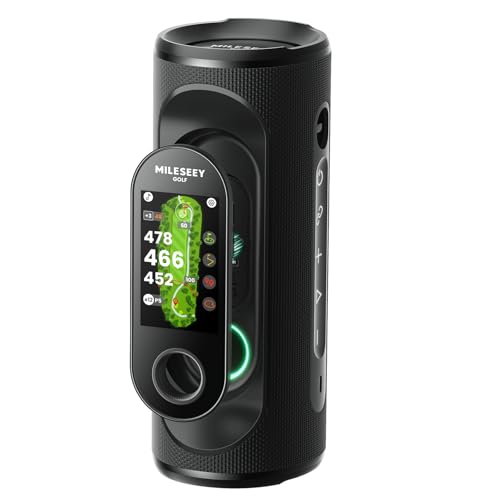
Luxury rangefinders combine every possible feature: touchscreens, full GPS mapping, wind adjustment, club recommendations, and premium materials. They are impressive, but a golfer who simply wants a trustworthy pin number will not unlock their value on the course.[citation:1][citation:5]
- Best for technology enthusiasts
- Includes features most golfers never use
- Not necessary for score improvement
How to Test a Rangefinder Before You Commit
Reviews help, but a five-minute check tells you more than a spec sheet. If you can handle a device before buying—or during the return window—do this:
| Check | What to Do | What Good Looks Like |
|---|---|---|
| Clear flag lock | Range a visible pin five times from a steady stance. | Readings cluster within a yard; no wild jumps. |
| Obstructed target | Range a pin with trees or a mound behind it. | Lock feedback confirms the pin, not the background. |
| Bright-light display | Look through the eyepiece against a bright sky. | Numbers remain readable; reticle does not disappear. |
| Slope toggle | Switch slope on and off without a manual. | The status is obvious and takes seconds. |
| Comfort and focus | Hold it as you would on the course and adjust focus. | Fits your hand; diopter stays put. |
Common Mistakes That Destroy Value
Buying a rangefinder is straightforward until small oversights turn a good deal into a bad experience. Watch for these traps.
Ignoring the slope switch. A device with slope that is buried in a menu will slow you down in casual play and create anxiety in competitions. Look for a dedicated control or a clearly visible mode indicator. If you play any tournament golf, this is not optional.[citation:2][citation:13]
Assuming maximum range matters. A box that claims 1,000 yards is not a promise of a reliable flag lock at 300 yards. What matters is performance at the distances you actually play: approach shots from 100 to 250 yards. Value rangefinders should be judged there, not on theoretical maximums.[citation:11]
Overlooking the battery plan. A rechargeable device that dies mid-round because you forgot to charge it is worse than a replaceable battery you can swap at the turn. Choose the system that fits your habits, not the one that sounds more modern.[citation:11]
Paying for features you will not use. GPS course maps, swing data integration, and AI club recommendations are genuinely useful for some golfers. If you just want a number to the pin, those features add cost without adding value to your round. If you are building a broader equipment plan, see our guide to golf equipment for a more complete view.
Frequently Asked Questions
Is a more expensive rangefinder always more accurate?
No. Accuracy within one yard is achievable at the entry and mid-range tiers. Premium devices often add faster lock, better optics, and advanced features, but the core distance number is not automatically better. The biggest real-world differences show up in difficult conditions and target acquisition speed.[citation:1][citation:2]
Do I need slope on a value rangefinder?
Slope is helpful for casual rounds and practice, but it must be switchable for competition. Most value rangefinders now include slope with some form of toggle. If you play in events where slope is prohibited, verify the switch is quick and obvious before buying.[citation:10][citation:19]
How far should a golf rangefinder reliably lock onto a flag?
For most golfers, reliable flag lock from 150 to 250 yards is the practical requirement. Many value devices perform well in this range. Performance beyond 250 yards, especially through trees or in wind, is where premium models separate themselves—and where the extra cost is hardest to justify for recreational players.[citation:13]
Should I choose a rechargeable or battery-powered model?
Rechargeable is convenient if you have a charging routine. Replaceable batteries are simpler for travel and long days where a spare can be carried. Neither is inherently better; the right choice is the one you will maintain consistently. Check what the warranty covers and how easy it is to get support.[citation:11]
Can a budget rangefinder help my score?
Yes, if it gives you confidence in club selection. Knowing the distance removes a major source of uncertainty on approach shots. A golfer who commits to the right club more often will usually score better than one who guesses. If you are working on the rest of your game, our short game and course management guides are useful companions to better distance control.